

You can hear a mix fall apart in the last mile. The kick gets cloudy on earbuds, the vocal feels pinned down when the chorus opens up, or the whole track turns sharp and fatiguing once it hits a streaming platform. That is usually the moment an online analog mastering service stops sounding like a luxury and starts looking like quality control.
For artists, producers, and labels working remotely, the real question is not whether online mastering works. It does. The better question is whether the service gives you the same confidence you would expect in a serious room with serious gear and an engineer who knows how records are supposed to translate. When analog mastering is done right online, you get both - the depth, punch, and tone of high-end hardware, plus a workflow built for fast approvals and release-ready delivery.
Why an online analog mastering service still matters
A good mix can still miss the mark at release. That usually happens because mixing and mastering solve different problems. Mixing is about balance, tone, space, and emotion inside the song. Mastering is the final objective pass that checks whether the record feels finished, competitive, and dependable across playback systems and formats.
An online analog mastering service adds another layer to that final pass. Analog compressors, EQs, and signal paths do not fix bad decisions, but they can shape transients, low-end weight, stereo presentation, and overall density in a way many artists describe as more natural and more dimensional. You hear it in the way the bass sits without getting bloated, the way the vocal stays present without harshness, and the way a loud record can still breathe.
That said, analog is not magic. If a mix is brittle, over-limited, or unbalanced, expensive hardware will not hide it. The value comes from the engineer's judgment first, then from the chain. That is why the best remote mastering experiences begin with mix evaluation, not blind file upload and hope.
How the process works when the studio is online
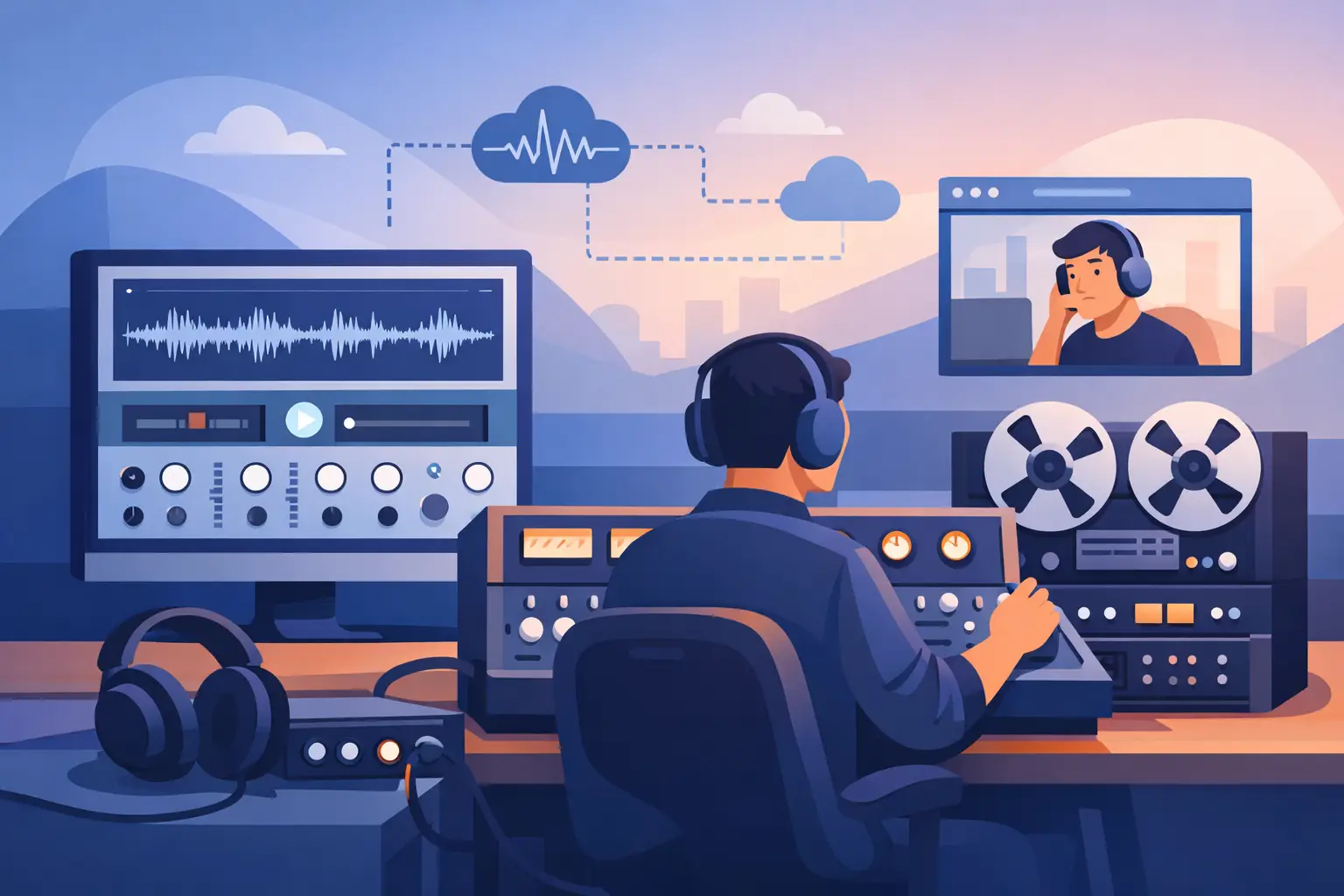
Remote mastering should feel controlled, not vague. A professional workflow is usually simple: you send the mix, the engineer evaluates it, the mastering pass is created, you review a proof, revisions are handled if needed, and final approved files are delivered in the required formats.
That structure matters more than people think. It keeps the project from turning into guesswork and gives everyone a clear checkpoint before release. If the service includes a preview or sample master before final approval, even better. That tells you the studio is focused on fit, not just file turnover.
Direct communication also makes a difference. When you can speak to the engineer about references, goals, sequencing, spacing, metadata, streaming targets, or vinyl concerns, your master is more likely to reflect the record you intended to make. For many clients, especially independent artists and producers managing their own release schedule, that access is part of the service.
What analog actually brings to the final master
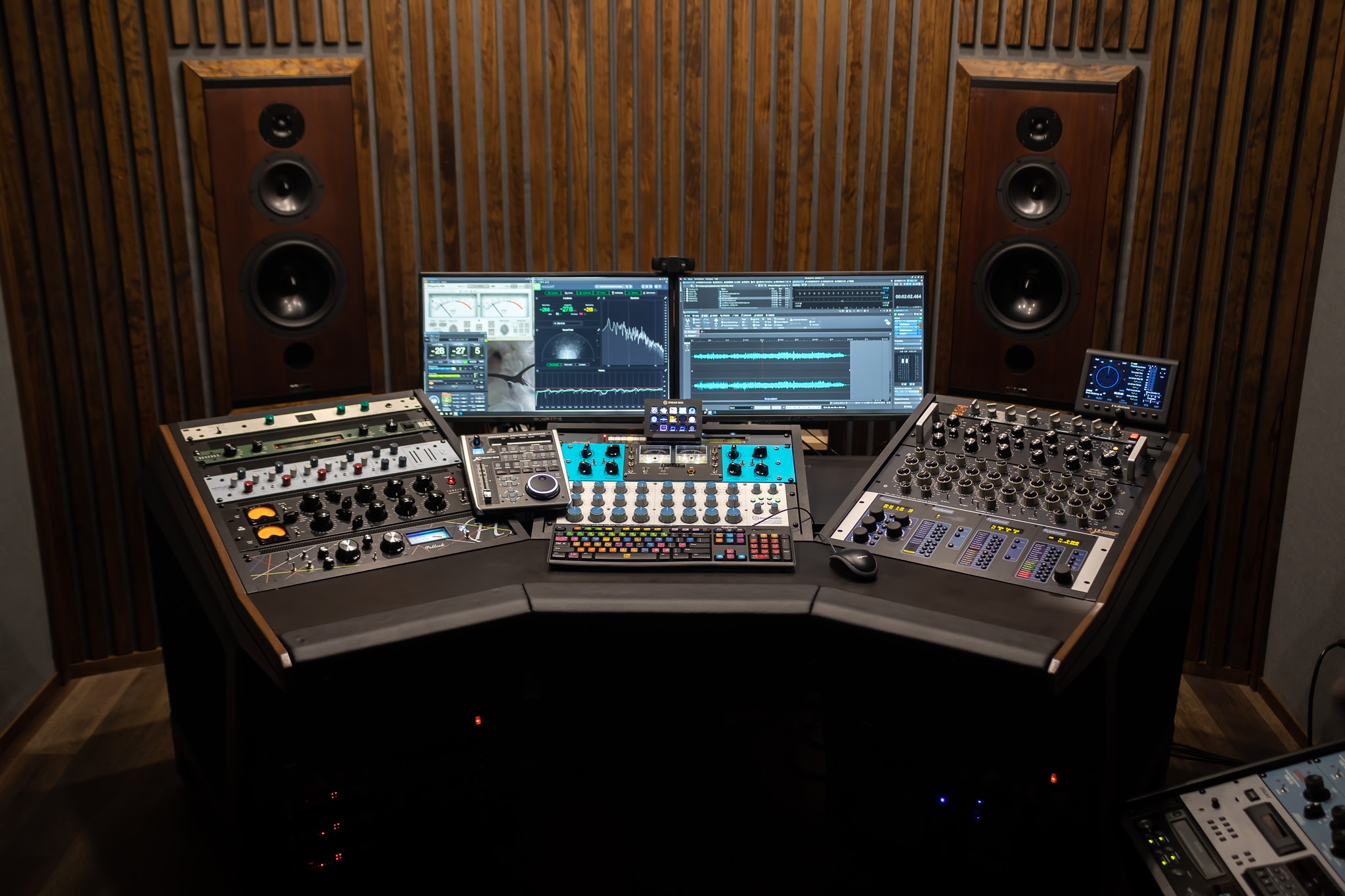
The phrase gets overused, so it helps to be specific. In mastering, analog usually refers to processing the mix through hardware equalizers, compressors, limiters, and other outboard gear rather than relying only on software. The audible result depends on the source material, but several qualities tend to stand out.
First is depth. Analog gear can make front-to-back relationships feel more believable, which helps a track feel less flat. Second is transient behavior. Drums and percussion can stay punchy without sounding poked or brittle. Third is tonal shape. Low end often gets rounder and more grounded, while upper mids can smooth out without losing presence.
The trade-off is that analog mastering is not about surgical rescue work. If you need extreme repair, heavy de-essing, noise removal, or major tonal correction, digital tools may still be part of the process before the signal ever reaches hardware. The strongest results usually come from a hybrid mindset: use the right tools for the problem, then let the analog chain do what it does best.
How to prepare files for an online analog mastering service
Preparation has a direct effect on outcome. If you want a cleaner, more predictable master, send the best possible mix and leave room for processing.
Your mix should be exported at its native sample rate and bit depth when possible, without sample-rate conversion on your end unless specifically requested. Leave headroom. A good target is several dB below full scale, and avoid clipping on the stereo bus. Most of all, remove brickwall limiters and loudness maximizers from the mix bus unless they are part of the sound and you have discussed that in advance.
If you are sending alternate versions, label them clearly. Instrumental, TV mix, clean, explicit, and performance tracks should not become a guessing game. If the project is an EP or album, include sequence order, track spacing notes, and any references about tonal consistency from song to song. When clients skip this step, the mastering session often starts with preventable questions instead of forward motion.
Before you export the mix
Listen for small issues that become bigger in mastering. Harsh hi-hats, uncontrolled sub-bass, pumping on the mix bus, and vocal sibilance are common examples. Mastering can improve these things to a point, but it works best when the mix is fundamentally solid.
Also check fades, song starts, and song endings. A click at the top of a file or a sloppy tail on the outro is easy to miss in a production session and very obvious during quality control.
Choosing the right online analog mastering service
Not every service is built for the same client. Some are fast but hands-off. Some sound good but make communication difficult. Some talk about analog gear but provide very little clarity about workflow, revisions, deliverables, or who is actually doing the work.
A stronger choice is a studio that is transparent about process and technical standards. You should know what files to send, what formats can be delivered, how approvals work, and whether revisions are part of the process. If the studio offers a free evaluation or short sample master, that is useful because it reduces risk before you commit a whole release.
Experience still matters here. A veteran engineer hears different things than someone chasing loudness presets. That shows up not only in sound, but in decision-making around sequence flow, tonal consistency, translation, metadata, and format preparation. If you need masters for streaming, DDP, high-resolution release, or vinyl pre-mastering, the service should be able to support those deliverables without making them feel like an afterthought.
Online analog mastering service for singles, albums, and vinyl
The needs change depending on the release. A single is often about impact and translation. It needs to hit quickly, hold together on small speakers, and still feel open when played loud. An EP or album adds the challenge of continuity. Tracks should feel related without sounding flattened into the same EQ curve.
Vinyl is its own conversation. A vinyl pre-master is not just the streaming master copied to another folder. Low-end management, phase relationships, high-frequency behavior, side length, and sequencing all affect cutability. If vinyl is part of the plan, mention it before mastering begins.
This is also where a service-driven studio stands out. The master is not just a file. It is a release package with a purpose. That may include streaming-ready WAVs, DDP for manufacturing, Apple Digital Masters prep, or high-resolution formats for archive and distribution.
What to expect after the first proof
The first proof should answer the big questions. Does the track feel finished? Does it hit with more authority? Is the low end tighter? Is the vocal sitting where it should? Are there any tonal or level concerns that still pull you out of the song?
Revisions are normal. They do not mean the first pass failed. Sometimes the right adjustment is small - a little more openness on top, a touch less density, a slightly different track gap, a level move between songs. The point is to work from a strong starting place and get to approval efficiently.
Studios that build preview and revision support into the process usually produce better outcomes because the client is part of quality control. That is one reason online mastering has become a practical choice for serious releases, not just a convenience option.
If you want the benefits of analog tone without losing speed, communication, or modern deliverables, an online analog mastering service is often the best fit. The right studio will tell you if the mix is ready, help you avoid preventable issues, and deliver a master that holds up where it counts - on real systems, real platforms, and real releases. If you are preparing music for release, start with a mix evaluation and a sample proof. A good master should give you confidence before the song ever goes live.