

The fastest way to make a strong mix sound small is to chase loudness blindly.
A track can feel huge in your session, then come back from distribution sounding flat, gritty, or oddly less exciting once the streaming platform turns it down. That is the real problem with mastering loudness for streaming. It is not just about hitting a number. It is about keeping impact, tone, and translation after normalization does what it does.
If you are releasing music to Spotify, Apple Music, YouTube Music, Amazon Music, TIDAL, and other services, loudness strategy has to serve the song first. A master that is pushed too hard may look competitive on a meter, but once playback is normalized, the extra limiting usually does not buy you anything. What remains is the damage - less punch, smeared transients, brittle top end, and low-end congestion.
What mastering loudness for streaming really means
For most artists and producers, the phrase mastering loudness for streaming gets reduced to LUFS targets. LUFS matter, but they are only one part of the picture. Streaming playback systems also react to true peak level, crest factor, frequency balance, density, and how stable the master feels from section to section.
In practice, a good streaming master is one that holds up after level matching. If your song gets turned down by a platform, it should still feel finished, energetic, and emotionally intact. That means the best question is not, "How loud can I make this?" It is, "How loud can this song go before it loses what makes it work?"
That answer depends on genre, arrangement, mix quality, and artistic intent. A dense modern rock track can often carry more average level than an open acoustic ballad. A hard-hitting hip-hop record may want a different balance of punch and density than a dynamic jazz production. There is no single loudness number that guarantees the right result.
Why normalization changed the game
Streaming platforms commonly normalize playback so songs land in a more consistent listening range. When that happens, the loudest master on paper does not always sound best. In many cases, it just gets turned down to sit next to more dynamic material.
This is where over-limited masters get exposed. If two songs end up playing back at a similar normalized level, the one with better transient detail and more preserved dynamics often feels bigger, not smaller. The snare hits harder. The vocal breathes. The low end stays round instead of turning into a soft blur.
That is why mastering for streaming is less about winning a volume contest and more about surviving normalization with your strengths intact.
LUFS, true peak, and the numbers people obsess over
LUFS measures perceived loudness over time. It is useful, and every mastering engineer working with streaming deliverables pays attention to it. But treating LUFS as the whole assignment leads people into bad decisions.
Integrated LUFS gives you a broad picture of average loudness across the full song. Short-term and momentary loudness show what is happening in smaller windows. True peak matters because inter-sample peaks can create distortion after encoding, even if your sample peaks look safe inside the DAW.
A common mistake is pushing a limiter until a song reaches a chosen LUFS figure without listening to what that last 1 dB or 2 dB actually costs. Sometimes that extra level is harmless. Often it is expensive. You lose kick definition, vocal depth, stereo openness, or that sense of front-to-back space that made the mix feel expensive in the first place.
For streaming, a sensible true peak ceiling is part of clean delivery. So is knowing when to stop before the limiter starts changing the groove. Meters inform the work. They do not make the final call.
The mix decides how loud the master can go
A lot of loudness problems are really mix problems.
If the low end is fighting itself, the limiter will react badly. If the vocal is too sharp around the upper mids, louder mastering will make that harshness harder to ignore. If the stereo image is wide but unstable, added level can make the center feel weak. Engineers see this every day - a mix that seems "quiet" often needs cleanup, not brute force.
The easiest way to get a louder, cleaner streaming master is to send a better-prepared mix. Leave headroom. Remove unnecessary bus limiting. Make sure the kick and bass are working together instead of stacking energy in the same space. Control harsh resonances before mastering rather than hoping they disappear later.
That is also why a proper mix evaluation matters. The right feedback before mastering can save a record from the kind of loudness decisions that create problems after release.
How to approach mastering loudness for streaming without crushing the life out of it
Start by deciding what the song is supposed to feel like, not what meter reading you want to post on social media. Is it supposed to explode out of the speakers, or draw the listener in with contrast and depth? Loudness is part of that identity, but not the whole identity.
Next, level-match while you work. If your limited version is louder than your unprocessed version, your brain will usually prefer it, even when it is objectively worse. Bring the playback levels into alignment so you can judge punch, tone, and vocal stability honestly.
Then listen for the usual warning signs. If the snare gets smaller as the level goes up, you have probably gone too far. If cymbals start sounding papery, if bass becomes cloudy, or if the chorus feels less emotional because everything is pinned, you are trading musical impact for meter numbers.
It also helps to think in terms of density instead of pure loudness. Sometimes a song feels more competitive when the midrange is more focused, the low end is cleaner, and the vocal sits with authority - even if the LUFS barely change.
Analog tone still matters in a streaming-first release
A lot of artists assume streaming delivery means the process is purely digital and purely numerical. That is not how strong mastering works.
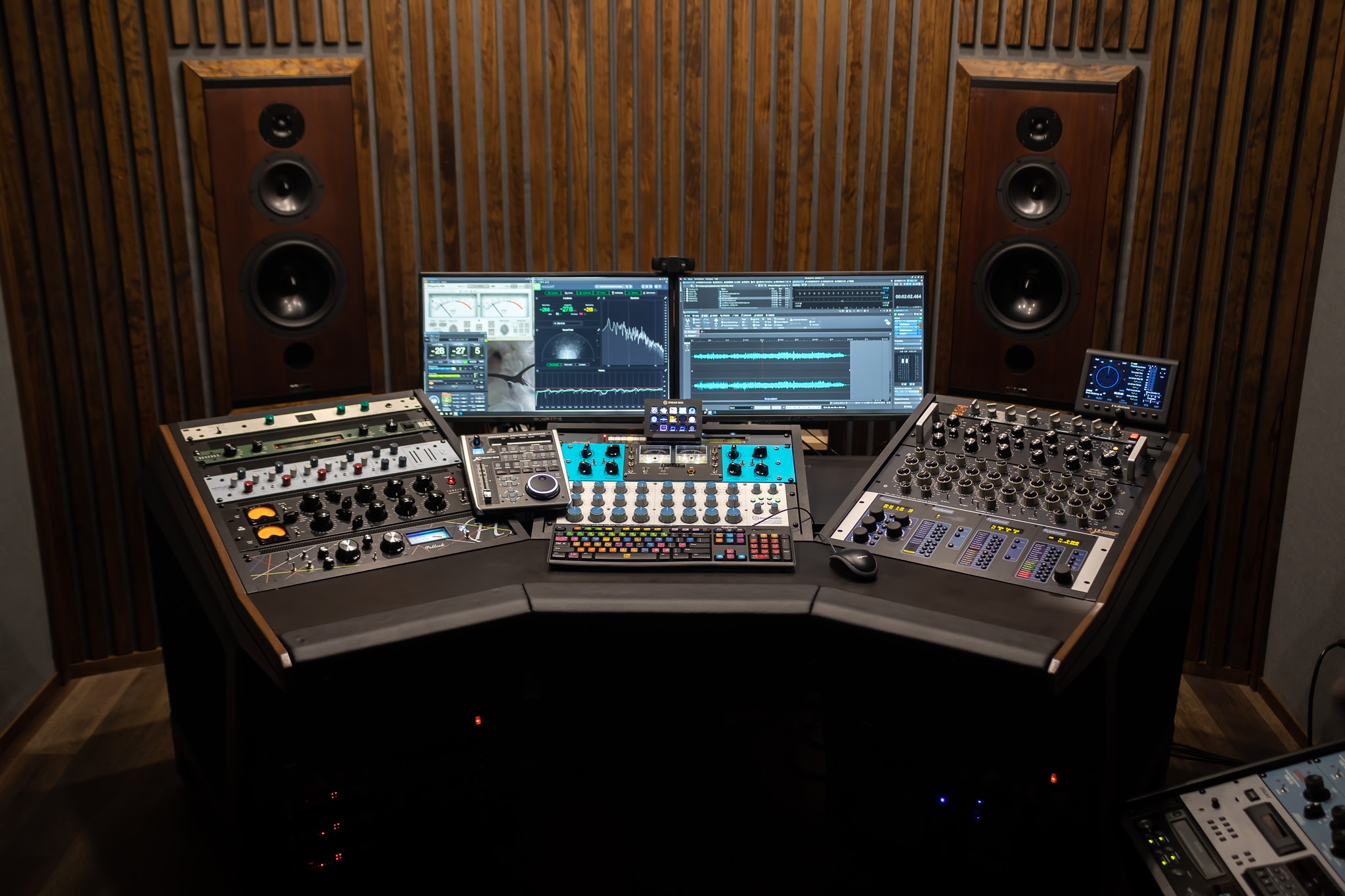
The best results often come from shaping tone and dynamics in a way that gives the limiter less damage to do. Analog equalizers and compressors can add solidity, depth, and musical control before final level is set. That matters because a master with natural weight and cohesion can often feel larger at a more reasonable loudness.
This is one reason artists still seek out an analog-focused mastering approach, even when the final destination is a streaming platform. You are not chasing nostalgia. You are using better tone and more graceful dynamics control to improve translation in a modern format.
One master or multiple masters?
Usually, one well-made streaming master works across major platforms. The bigger concern is making sure the master is clean, balanced, and technically safe for encoding.
That said, release formats are not all identical. A streaming master, a CD/DDP master, a high-resolution archival file, and a vinyl pre-master do not always ask for the same treatment. Problems start when people assume one file should serve every format with no consideration for the medium.
If your project includes more than streaming, that should be part of the mastering conversation early. The right deliverables reduce risk and keep you from forcing a single compromised file into jobs it was never designed to do.
What to send if you want the best result
If you want your mastering engineer to maximize loudness without sacrificing quality, send the cleanest mix possible. Export the final mix at its native resolution, leave a little headroom, and remove brickwall limiting from the stereo bus unless it is absolutely essential to the sound. If you are attached to a mix bus chain for tone, communicate that clearly.
Reference tracks can help, but use them the right way. They should show style, energy, and tonal direction, not just loudness. A reference that only says "make it louder" is rarely useful. A reference that says "I like how the vocal stays forward while the drums still hit" gives the engineer something musical to work toward.
If you are unsure whether the mix is ready, ask for an evaluation first. A quick outside opinion can catch the issues that meters miss.
The goal is not loud. The goal is convincing.
A convincing master still sounds intentional after normalization. It still hits when the playlist jumps from one song to the next. It still carries emotion when the listener turns it up in the car, on earbuds, or through a home system.
That is the standard serious releases have to meet now. Not louder than everything else. Better under real playback conditions.
At LB-Mastering Studios, that is why the process starts with honest listening, technical judgment, and clear communication rather than chasing a generic number. If you want an objective read on your mix before release, request a free evaluation or a free sample master at https://lbmastering.com.
The right loudness is the point where your track stops sounding processed and starts sounding finished.