
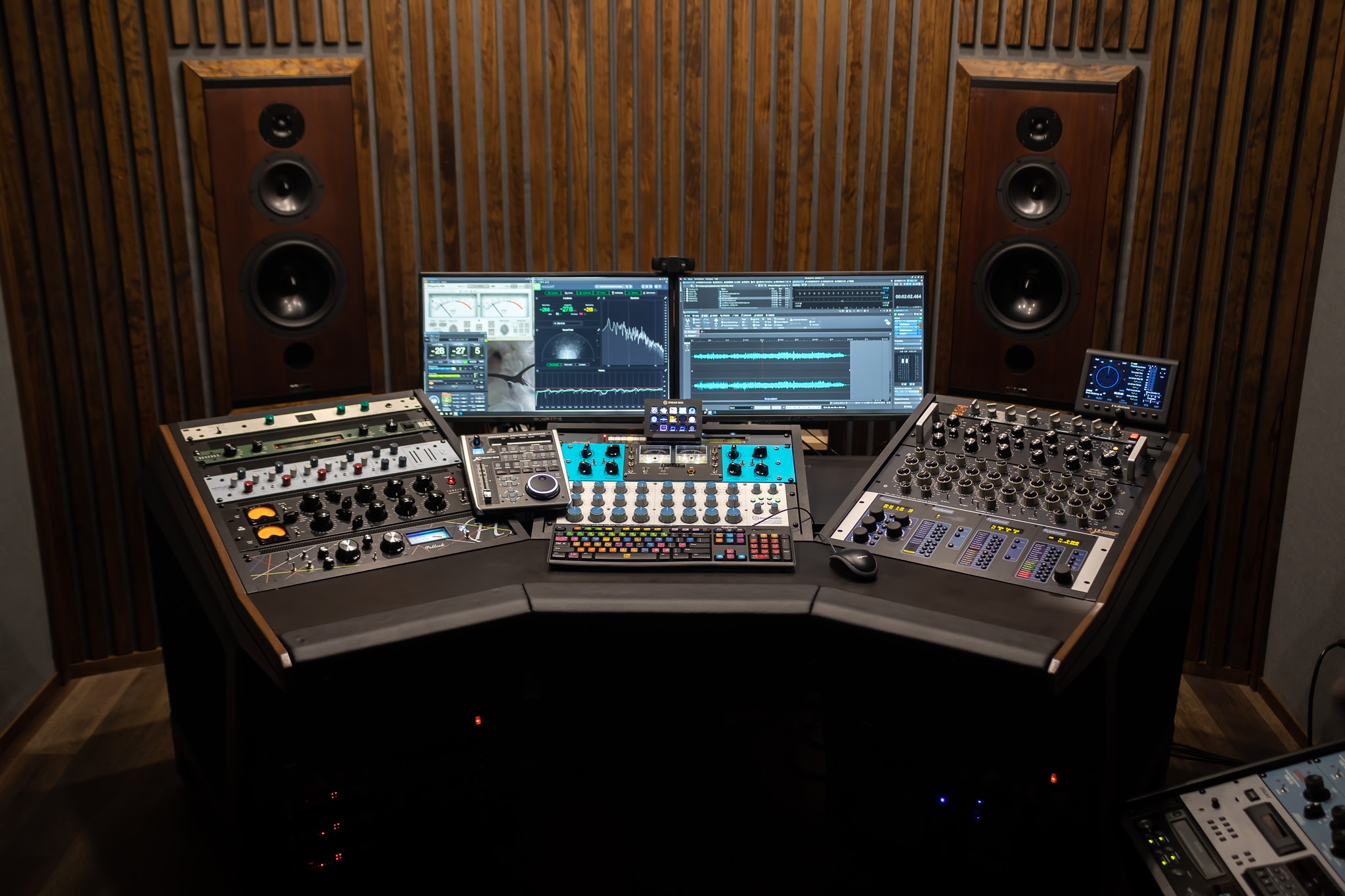


A great song can lose impact fast when the low end is cloudy, the vocal fights the snare, or the final master falls apart on earbuds, in the car, and on larger systems. That is why mixing and mastering are not interchangeable steps. They solve different problems, and when each stage is handled with intention, your release stands a much better chance of sounding confident, musical, and ready for the real world.
For artists, producers, and labels, the goal is not just a louder file. It is translation. You want the record to hold together on streaming platforms, playback systems, and delivery formats without losing punch, depth, or emotion. That takes a clear mix, an objective mastering stage, and a process that catches issues before release instead of after it.
Mixing and mastering are not the same job
Mixing is where the record is built into a balanced, musical presentation. This is the stage where levels, panning, EQ, compression, effects, automation, and tone decisions shape the relationship between every element in the song. If the lead vocal is too buried, the kick and bass are masking each other, or the chorus does not lift the way it should, those are mix problems.
Mastering happens after the mix is approved. The job here is to evaluate the stereo mix or stems as a finished production and prepare it for release. That means refining tonal balance, dynamics, stereo image, sequencing when needed, spacing between songs, and output formats. It also means quality control. Clicks, distortion, harshness, inconsistent track-to-track levels, and delivery mistakes often show up at mastering when a fresh, trained ear checks the project.
A common mistake is expecting mastering to rescue a weak mix. Sometimes mastering can improve a mix more than a client expects. Sometimes the right move is to stop and request a mix revision first. Knowing the difference saves time and protects the release.
What a strong mix actually does
A strong mix gives mastering room to work. It does not need to be hyped, overly bright, or crushed to sound impressive in the studio. It needs clarity, intent, and headroom.
In practical terms, that means the core elements should already feel right before the final stage. The vocal should sit where it belongs emotionally. The low end should feel solid without being boomy. Drums should have impact without eating the entire center image. Reverbs and delays should support depth instead of washing out the arrangement.
This is also where trade-offs matter. A more aggressive mix may feel exciting but leave less room for depth and nuance later. A very wide mix can sound huge at first, but if the center weakens or mono compatibility suffers, that width becomes expensive. Engineers make these calls every day because every genre and arrangement asks for something different.
Headroom is another area where people overcomplicate things. You do not need a magic number as much as you need a clean export with no clipping on the master bus and no limiter shaving off the life of the mix. If your mix peaks conservatively and sounds balanced, mastering has options. If the mix is already slammed, the options narrow fast.
Mix decisions that affect mastering the most
The low end is usually first on the list. If kick and bass are not cooperating, the master will struggle to feel both deep and controlled. The vocal range is another major factor. Harsh upper mids, nasal buildup, or inconsistent presence can make a song tiring long before loudness becomes an issue.
The top end matters too, but not in the way many people think. Adding brightness for excitement is easy. Keeping air without brittleness is harder. A mix that is slightly restrained but balanced often masters better than one that is hyped from the start.
What mastering adds when the mix is ready
When the mix is solid, mastering becomes the final polish and the final checkpoint. This is where experienced judgment matters. Subtle EQ moves can open a mix without making it thin. Compression can add glue and movement without flattening the groove. Limiting can increase competitive level while protecting punch and preserving musical dynamics.
This is also where analog and digital choices come into play. An analog chain can bring density, depth, and a rounded low end that many artists and producers still want. Digital tools add precision, metering, recall, and delivery flexibility. The best outcome is not about ideology. It is about using the right tools in the right order to serve the record.
For release work, mastering is also responsible for deliverables. Streaming-ready files, Red Book compliant CD masters, DDP for replication, Apple Digital Masters, and vinyl pre-master preparation all have different technical requirements. A record can sound excellent and still be delayed if the files are wrong. That is why mastering is not only a sound decision. It is a release decision.
Why objectivity matters in mixing and mastering
The closer you are to a song, the harder it is to hear it honestly. After dozens of mix revisions, even strong producers can stop noticing buildup, distortion, or balance drift. Mastering works best when it brings in that objective perspective.
A good engineer is listening for what the song needs, not just what the meters say. Sometimes that means pushing the record harder because the genre demands impact. Sometimes it means protecting transient detail and emotional space because the performance falls apart when it gets too dense. It depends on the material, the arrangement, and where the music is headed.
That outside perspective becomes even more valuable when there is a clear approval process. A free preview, a sample master, or a revision stage gives clients confidence that the result is not guesswork. It also removes the pressure to sign off on something they are not fully hearing yet.
How to prepare for better results
If you want mastering to move efficiently, send the cleanest version of the mix possible. Export the file at its native resolution. Leave the sample rate unchanged unless your engineer requests otherwise. Remove limiters and loudness-maximizing plugins from the stereo bus unless they are essential to the sound. If they are essential, say so.
Print mixes without clipping, and include notes that actually help. Reference tracks can be useful if they communicate tone, depth, vocal level, or low-end behavior. They are less useful when the goal is simply to match loudness. Loudness is easy to chase and easy to get wrong.
If you are uncertain about the mix, ask for an evaluation before mastering starts. That single step can prevent the most expensive kind of revision - fixing problems after distribution is already underway. At LB-Mastering Studios, that engineer-first workflow is built around exactly that kind of quality control, with direct communication, free evaluation options, and proofing before final delivery.
When stem mastering makes sense
Stem mastering can be a smart middle ground when the stereo mix is close but not fully there. If vocals are slightly forward, drums need a touch more control, or the music bed needs better balance against the lead, stems may allow targeted fixes without reopening the full mix session.
It is not a replacement for mixing. If the arrangement is cluttered, the effects are excessive, or individual source tones are fundamentally off, stems will not solve everything. But in the right case, they can bridge the gap between a decent mix and a release-ready master.
The real goal is translation, not just volume
Artists still ask how loud a master should be, but that question by itself misses the point. A track that measures loud but feels small is not competitive. A track that keeps punch, center focus, and tonal balance across systems usually wins, even if the number on paper is lower than expected.
Translation is the standard. Does the vocal still connect on laptop speakers? Does the low end stay intact in the car without turning muddy? Do cymbals stay present without getting sharp on earbuds? Can the record sit comfortably next to other releases in a playlist without sounding flat, dull, or strained? Those are the tests that matter.
That is why mixing and mastering work best as connected stages, not isolated tasks. The mix creates the shape of the record. The master confirms that shape, refines it, and prepares it for the world.
If you are serious about your next release, treat the final stage as more than a last-minute export. Give the music a clean mix, a fresh set of expert ears, and a mastering process that is built to catch problems before your audience does. The songs you worked this hard on deserve that final level of care.