
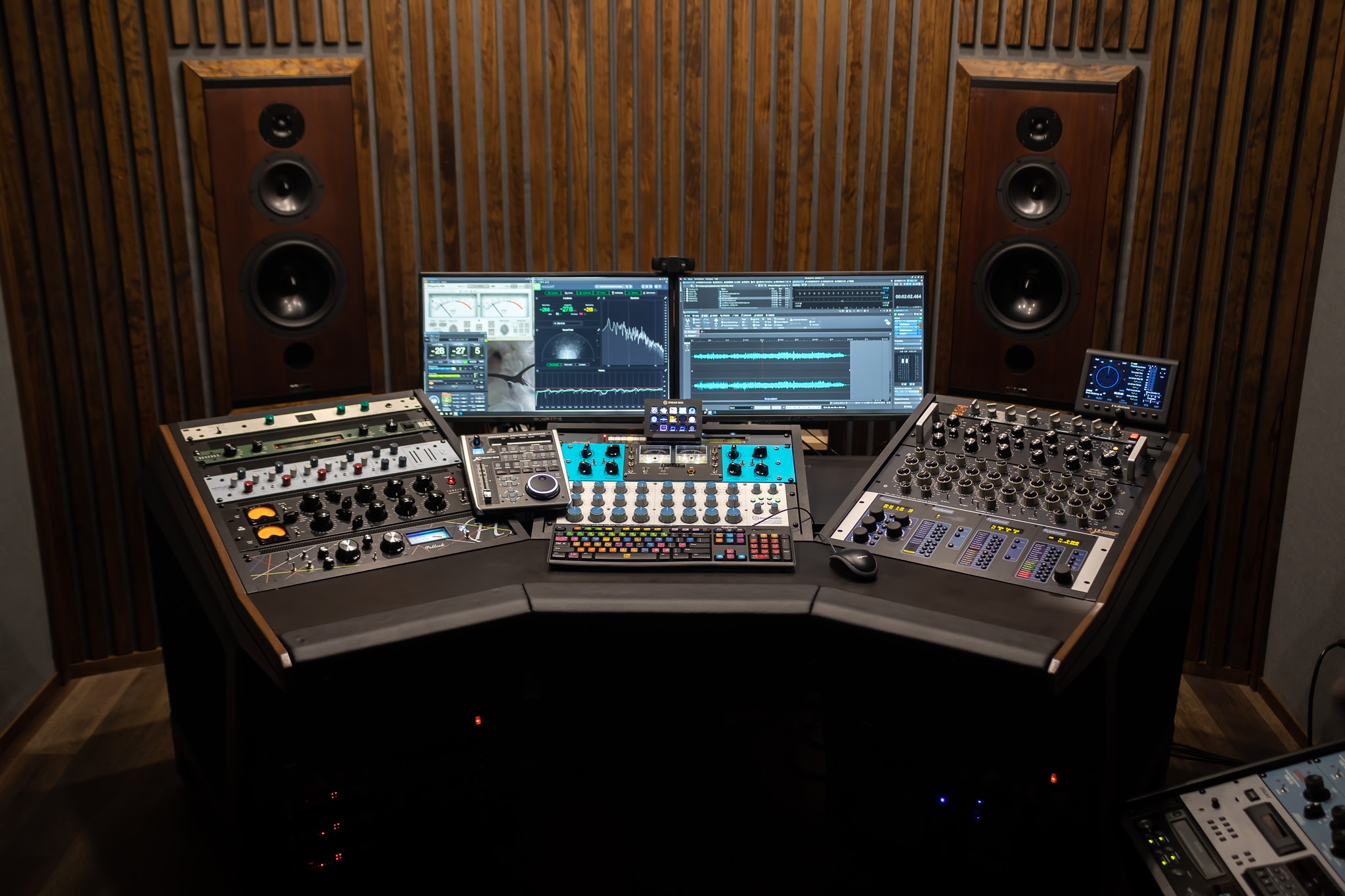


You know the feeling: the mix sounds finished in your room, then it hits the car and the vocal feels smaller, the kick turns to mush, and the hi-hats suddenly feel like sandpaper. That is exactly why mastering engineers take mix evaluation seriously. Not because we want to “fix” your mix, but because one clean checkpoint before mastering can save you revisions, preserve tone, and keep your release on schedule.
A mastering engineer mix evaluation is not a vibe check. It is quality control with a purpose: confirm the mix will translate across real playback systems, confirm the file is technically safe to master, and identify the handful of decisions that will make mastering more effective. The best part is that most of the common issues are predictable, and once you know what to listen for, you can catch them fast.
What mastering engineer mix evaluation actually looks for
When a mix comes in, we are listening in layers. First is the big picture: does the song communicate, and does the balance feel intentional? Then we narrow in on translation: will the low end survive small speakers, will the vocal stay present in the car, and will the chorus open up without getting harsh?
Finally, there is the technical side: headroom, clipping, limiting, file format, and anything that could force the mastering chain into damage control. This is where “it depends” comes in. A mix can be aggressive and distorted on purpose, but it still needs to be controlled and repeatable. The goal is not purity. The goal is predictable mastering.
Start with translation, not loudness
Many mixes arrive already chasing level. The problem is that loudness decisions inside the mix often trade away depth and punch that mastering could have preserved. If your mix feels exciting only when it is pinned to a limiter, that is a sign the internal balances or dynamics need attention.
A mastering-minded evaluation asks a different question: does it feel strong at moderate monitoring level? Turn it down. If the vocal disappears, the midrange is likely under-supported or the vocal is overly dependent on high-frequency presence. If the kick vanishes, the punch may be living in sub energy that most systems will not reproduce.
This is also where references matter, but only if you use them correctly. Match perceived loudness before you compare. Otherwise you will “prefer” whatever is louder and end up brightening or compressing a mix that was already right.
Check the low end like an adult
Low end is where good mixes go to die. A mastering engineer is listening for three things at once: extension, consistency, and separation.
Extension is simple: do you have the weight the genre expects? But consistency is the real giveaway. If the bass note changes feel dramatically from one pitch to another, you may be fighting room modes, uneven compression, or resonant samples. Separation is the last piece: can you tell what is kick and what is bass without needing extra volume?
If you are unsure, listen in mono and at a low level. The kick and bass relationship should still read. If it collapses, you may have phase issues or too much stereo information in the lows.
A practical low-end sanity check
High-pass your mix monitor path around 150 Hz for 30 seconds and listen to the groove. You are not “mixing” with that filter, you are testing. If the groove falls apart, your low end may be carrying too much of the song’s perceived rhythm. Tightening kick transient definition or adding upper harmonics to the bass can fix translation without adding mud.
Midrange balance: where records actually live
If your track is going to translate, the midrange has to be intentional. This is where vocals, guitars, snares, synth fundamentals, and the emotional content sit. A mastering engineer listens for holes and buildups.
A common issue is a scooped 300-800 Hz range that sounds “clean” in the studio but turns thin everywhere else. Another is an overstuffed low-mid that feels warm at first, but masks the vocal and makes the limiter work harder later.
You can often spot midrange masking by turning the mix down and focusing only on the vocal and snare. If both feel like they are fighting for the same space, you probably have overlapping energy in the 1-3 kHz region, or the vocal presence is being carried by harsh upper content instead of stable midrange.
Top end: brightness is not the same as detail
A mastering engineer is listening for two different problems up top: harshness and false clarity. Harshness tends to show up as fatigue - the chorus feels like it bites, cymbals feel splashy, or “S” sounds spray out.
False clarity is trickier. It happens when a mix is bright, but not actually detailed. Often the transients are softened by limiting or over-compression, and the only thing left is a tilted EQ curve. That can sound impressive on first play and then quickly become tiring.
If you want a quick check, listen quietly on small speakers or a phone. If the vocal consonants and snare crack are hard to understand unless the mix is bright, you may need more transient definition or better arrangement space, not more 10 kHz.
Stereo image and mono compatibility
Wide mixes can be great. Unstable wide mixes are a problem. During mastering engineer mix evaluation, we listen for image shifts between sections, center weakness, and phasey elements that collapse in mono.
If your chorus is wide because the sides are loud but the center is thin, the track may feel exciting on headphones and disappointing everywhere else. A solid center - especially vocal, kick, snare, bass - gives mastering something to enhance rather than rescue.
Mono compatibility is still real-world. Clubs, Bluetooth speakers, retail systems, and many playback situations effectively fold your mix down. If a stereo synth hook vanishes in mono, that is not a mastering issue. That is an arrangement and phase relationship issue that needs attention before mastering.
Dynamics: leave room for mastering to do its job
This is the part most people mean when they say “headroom,” but it is more than peak level. You want a mix that breathes. Not necessarily quiet, not necessarily uncompressed, but not trapped.
From a technical standpoint, a clean path is simple: avoid clipping on your mix bus, avoid brickwall limiting used as a loudness crutch, and give a little space for EQ moves and analog gain staging. Many engineers aim for peaks somewhere around -6 dBFS, but the exact number matters less than this: don’t deliver a file that is already pinned.
If you love the sound of your mix bus chain, print two versions. One with your mix bus processing (without a final limiter), and one completely clean. That gives the mastering engineer options and protects you if the processing that flatters your room fights the mastering chain.
Technical deliverables that prevent avoidable problems
A mastering engineer mix evaluation also checks the boring stuff because the boring stuff can ruin a session fast. Export at the native sample rate of the project, at 24-bit or 32-bit float. Print full-resolution WAV or AIFF, not MP3.
Leave a little silence at the top so the first transient is not clipped by the export, and do not normalize. If you are sending stems for stem mastering, make sure they start at the same timestamp and sum to your mix without clipping or tone changes.
If you are targeting CD/DDP, vinyl pre-master, or Apple Digital Masters, the evaluation also considers whether your mix choices are going to cause downstream problems. For example, extreme sibilance and super-wide low end can be managed for streaming, but vinyl has physical limits. The earlier you know that, the fewer surprises you will have.
What to fix in the mix vs what to leave for mastering
This is where experience pays off because the wrong “fix” can make a mix worse. In general, you want to fix balance, masking, distortion, and arrangement conflicts in the mix. You can often leave subtle tonal shaping, overall glue, and final loudness strategy for mastering.
If your vocal is 1.5 dB too low in the chorus, that is a mix move, not a mastering move. If your kick is distorting because the sample is clipped, that is a mix move. If the entire mix feels a touch dark compared to your references, that might be a mastering move - unless the darkness is actually a midrange hole disguised as warmth.
A good rule is this: if the problem is happening between two elements, fix it in the mix. If it is happening to the mix as a whole, it may belong in mastering.
A simple self-check you can run before sending a mix
Before you export, take 20 minutes and do three passes. First pass: listen at a low level and write down only what disappears. Second pass: listen in mono and write down only what changes dramatically. Third pass: listen from another room or a different speaker and write down only what feels exaggerated.
If all three passes point to the same thing, it is real. If you only hear it in one scenario, it might be your monitoring. That is the trade-off. Mix evaluation is about reducing risk, not chasing perfection.
If you want an objective second set of ears, LB-Mastering Studios offers a free mix evaluation plus a free 60-second sample master so you can hear what your track does with a real mastering chain before you commit. The fastest way to get unstuck is often to let an experienced engineer tell you which two changes matter and which ten do not.
The best mixes are not the ones with the most processing - they are the ones that make confident decisions and leave just enough room for the final polish to stay musical.