
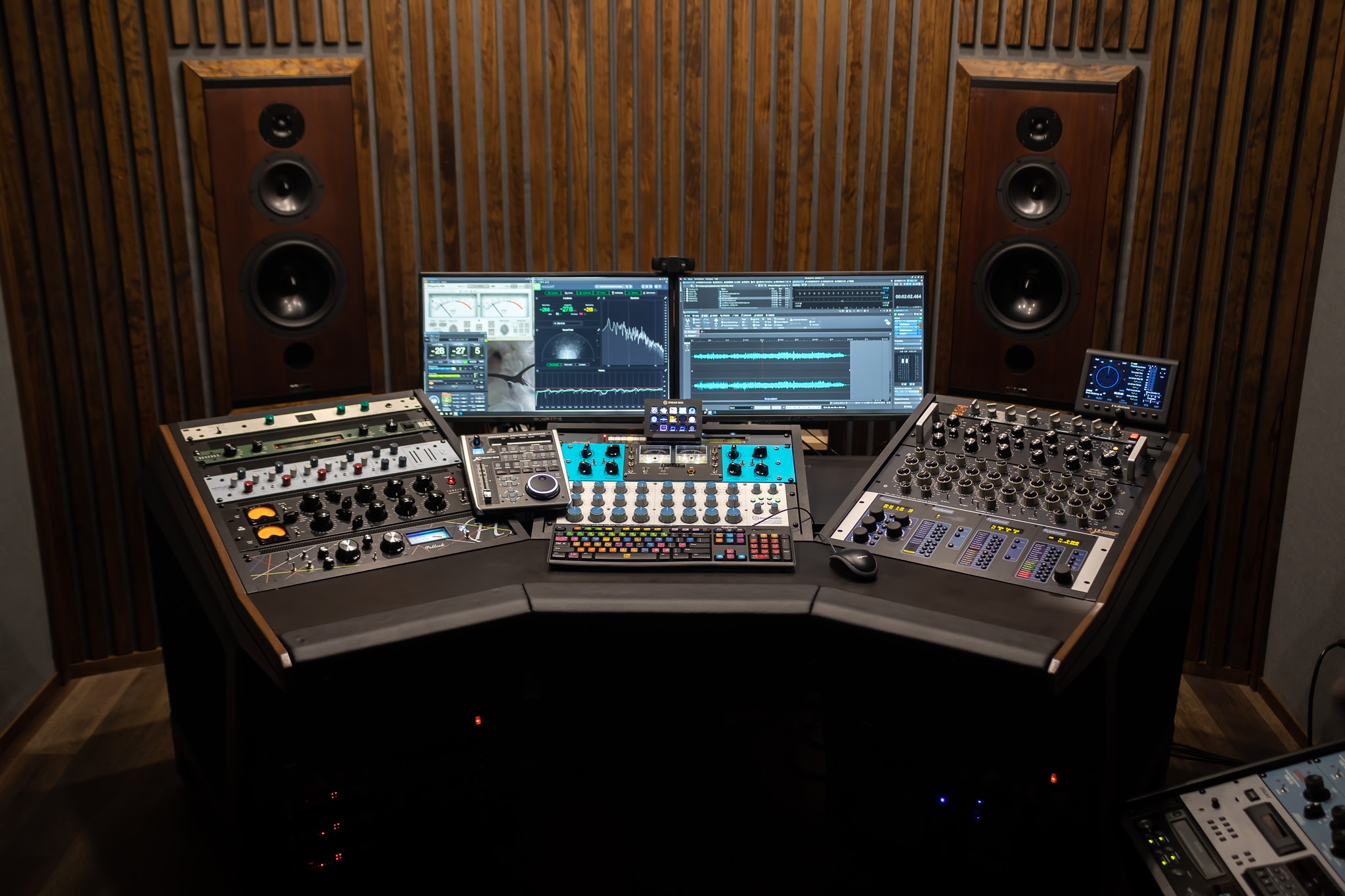


A great master can enhance a strong mix. It cannot rescue a crowded low end, clipped mix bus, or vocal that disappears every time the chorus hits. If you're asking how to prepare mix for mastering, the goal is simple - give the mastering engineer a clean, balanced, fully intentional mix with enough room to work.
That sounds basic, but most mastering problems start earlier. A limiter left on the stereo bus, a rough reference chain that got printed by mistake, or a last-minute export at the wrong sample rate can all narrow the options at mastering. Good preparation keeps the process focused on tone, depth, punch, translation, and delivery - not repair.
How to prepare mix for mastering without guesswork
The best mix for mastering is not the loudest one. It is the most finished one.
Before you export anything, ask yourself one hard question: if mastering did nothing but optimize level, tone, spacing, and translation, would this still feel like the record you want to release? If the answer is no, go back to the mix. Mastering is the final quality-control stage, not the place to fix arrangement conflicts, automate a buried lead vocal, or remove harsh cymbals that are already dominating the top end.
A mix that is ready for mastering usually has a stable center, controlled low end, believable vocal level, and dynamics that still breathe. It also has a clear sonic intention. If you want weight and warmth, that should already exist in the mix. If you want aggressive brightness, that should also be there - just not pushed so far that mastering has to undo it.
Finish the mix before you print it
One of the most common mistakes is sending a version that is technically clean but creatively undecided. Maybe the kick is still being debated. Maybe the lead vocal rides are only half-done. Maybe the snare feels too bright, but everyone assumes mastering will smooth it out.
That uncertainty usually shows up in the final result.
A mastering engineer can shape the whole stereo image, improve tonal balance, control dynamics, and prepare release-ready deliverables. What they cannot do with the same precision as mix-stage editing is rebalance individual elements inside a two-track file. If the hi-hat is too loud, the bass is swallowing the kick, or the reverb tail is masking lyric clarity, those are mix decisions.
This is why reference checking matters before export. Listen on your main monitors, then check the mix in headphones, in a car, and on small speakers. You are not looking for perfection on every system. You are looking for patterns. If the vocal is consistently too low everywhere, that is not a playback issue. If the low end only falls apart on one system, it may be that system. If it falls apart on all of them, fix the mix.
Leave headroom, but do not chase a magic number
Engineers often hear that a mix must peak at exactly -6 dBFS before mastering. That number is not a law.
What matters is that your mix is not clipping and is not pinned against a limiter just to make it loud. A healthy amount of headroom gives the mastering engineer room to work, especially when using analog processing or making tonal moves that can increase level. In practice, peaks somewhere below 0 dBFS with no digital overs are usually fine. Many excellent premaster files peak around -3 to -6 dBFS, but the cleaner principle is this: leave space and avoid distortion.
Do not turn the mix down with a limiter on the bus and call that headroom. Real headroom comes from balanced gain staging and a mix bus that is not being crushed. If your stereo bus compressor is part of the sound and you mixed into it intentionally, that may be worth keeping. If a brickwall limiter is only there for volume, print a version without it.
Be careful with mix bus processing
Mix bus processing is not automatically a problem. Sometimes it is the sound of the record.
If you built the mix through a bus compressor, tape emulation, or broad EQ from the start, removing it at export can change the groove, tone, and vocal placement. On the other hand, if you added a loudness chain at the end just to compete with a reference, that version usually should not be the mastering file.
The cleanest approach is to know what is creative and what is temporary. Keep processing that is essential to the mix identity. Remove processing that only exists to simulate mastering.
When in doubt, send notes. A good engineer would rather know that your bus compressor is intentional than guess whether the pumping is part of the production or a problem to solve.
Export the highest-quality file you actually mixed from
Your export settings should preserve the mix exactly as it exists in your session. That usually means a stereo WAV or AIFF file at the session's native sample rate and bit depth. If you mixed at 24-bit, export 24-bit. If you mixed at 48 kHz, export 48 kHz. There is usually no advantage in sample-rate converting on your end unless specifically requested.
Do not export MP3 files for mastering. Do not dither unless you are reducing bit depth for a specific reason. And do not normalize the file.
Leave a small amount of clean space before the song starts and after it ends so reverbs, delays, and fades are fully captured. Double-check that you are exporting the correct version, especially if you have radio edits, instrumentals, clean versions, alternate mixes, or songs that will run as an EP or album sequence.
Check for technical issues before you send the mix
This step saves time, revisions, and avoidable emails.
Listen to the exported file from start to finish outside your DAW if possible. Make sure there are no clicks, dropouts, accidental mutes, wrong crossfades, missing intros, or cut-off endings. Verify that the left and right channels are correct. If you used external hardware during mixing, confirm that your print is the final approved pass.
Also look out for distortion that is easy to miss during a loud session. Harsh vocal peaks, crunchy cymbals, and low-end breakup can get worse in mastering because the process increases clarity and level. If something feels questionable now, it will not become less noticeable later.
Include notes that help, not notes that over-direct
The best notes are specific about intent. If you love the warmth of the low end, say so. If you are concerned that the chorus gets slightly edgy, mention it. If one reference track captures the vocal presence you want and another captures the low-end depth, that is useful context.
What helps less is trying to script every mastering move. Telling the engineer exactly how much EQ to add at 12 kHz or how many dB of limiting to use usually misses the point of hiring an experienced ear. Share the target. Let the engineer choose the path.
If your project has multiple formats in mind, mention that too. Streaming, Apple Digital Masters, CD/DDP, and vinyl pre-master preparation can each benefit from different checks and decisions. Format matters.
If you are unsure, send a mix evaluation first
The smartest move is often the simplest one: ask for a pre-master check before committing to final delivery. An objective mix evaluation can catch problems that are hard to hear once you have been living with the song for weeks.
At LB-Mastering Studios, that is part of the value of a real engineer-led process. A free mix evaluation or sample master can tell you whether the mix is ready now or whether a few revisions would get you a stronger result before mastering begins. That protects your record, your schedule, and your budget.
The files to send with your mix
Along with the final stereo mix, include the song title exactly as you want it labeled, your contact information, and any sequencing notes if the project is a multi-song release. If there are alternate versions, label them clearly. "Final final" is not a useful filename six emails later.
If fades, spacing, or track transitions are important, say so. If you want the mastering engineer to match songs across an album while preserving intentional differences, mention that. Cohesion is part of the job, but so is respecting the identity of each track.
Preparing a mix for mastering is really about respect for the final stage. Give the song room, give the engineer clarity, and give the process a version you truly stand behind. That is when mastering stops being damage control and starts becoming the finishing move your record deserves.