

A polished website and a low-friction upload form can make almost any mastering service look convincing. That is exactly why so many artists end up judging the wrong things.
If you are trying to figure out how to choose mastering engineer online, start with one simple question: can this person make your mix translate better everywhere without flattening what made it good in the first place? Real mastering is not just louder files and a shinier top end. It is quality control, technical preparation, tonal judgment, and release readiness.
How to choose mastering engineer online without guessing
The best online mastering relationship should feel less like buying a file and more like handing your record to a specialist. You want someone who can hear what the mix needs, what it does not need, and what might cause problems on streaming platforms, CD/DDP delivery, hi-res release formats, or vinyl pre-master preparation.
That means the right choice is rarely the engineer with the flashiest branding. It is usually the one with a clear process, strong communication, and proof that they know how to move from evaluation to final approved master without surprises.
Start with ears, not gear hype
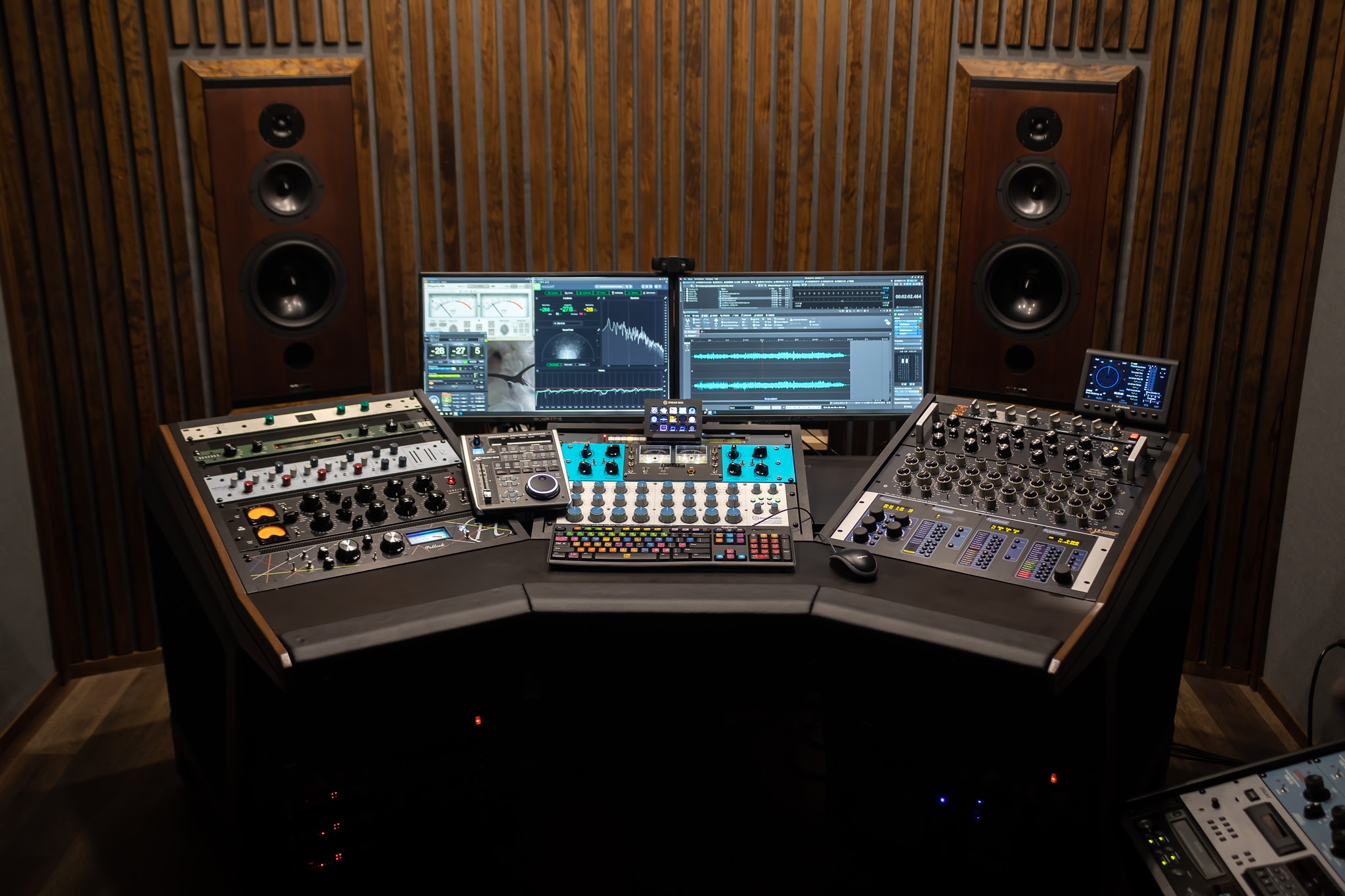
Yes, equipment matters. A serious analog chain can add depth, punch, width, and low-end shape in a way many clients immediately hear. But gear alone is never the deciding factor. A great engineer can explain why they are using their chain, what it is doing for the song, and when not to force a sound that does not belong.
If an engineer markets an analog approach, listen for results rather than slogans. Do the samples feel more focused, more musical, and more stable across playback systems? Or do they just sound louder and brighter? There is a difference, and experienced clients hear it quickly.
Look for mastering-specific experience
A good mix engineer is not automatically a good mastering engineer. Mastering requires a separate decision-making mindset. The work happens at the final stage, where tiny EQ moves, dynamics control, sequencing, fades, spacing, metadata, format prep, and translation matter more than dramatic changes.
Ask yourself whether the engineer presents mastering as a true specialty. That matters if you need deliverables beyond a basic WAV file, such as DDP for replication, Apple Digital Masters preparation, hi-res versions, or vinyl-ready pre-masters. A mastering engineer should understand those targets without treating them like add-ons they rarely touch.
What to look for in an online mastering process
The easiest way to spot a professional is to look at the workflow. Strong mastering services do not begin with blind processing. They begin with evaluation.
A proper process usually includes a mix review, the mastering pass, a proof or preview stage, revision support if needed, and final delivery in the formats required for release. That structure protects the client from preventable mistakes. It also gives the engineer a chance to flag issues before they get printed into the final master.
If the process is vague, be careful. When a service cannot clearly explain how files are checked, how feedback is handled, or how approvals work, the risk lands on you.
A preview matters more than promises
One of the most useful signals is whether you can hear a sample before fully committing. A short preview or sample master tells you more than a paragraph of sales copy ever will. You get to hear how the engineer treats your low end, your vocal presence, your transients, and your stereo image.
This also helps with fit. Some engineers naturally lean clean and transparent. Others bring more weight, density, or analog character. Neither is automatically better. It depends on the track, the genre, and what you want the record to feel like when it hits a listener.
Revisions should be part of the conversation
Online mastering should not feel like sending money into a black box. You want an engineer who allows room for feedback and who can explain changes in plain language. That is especially important when you are balancing your own taste against commercial translation.
Not every revision request is a good one, of course. Sometimes the first pass is already doing the right thing. But revision support shows that the engineer is working with you, not just delivering at you.
How to judge quality when you are not in the room
Remote mastering asks for trust, so you need practical ways to evaluate quality from a distance.
First, listen on more than one playback system. If the sample master only impresses on headphones but falls apart on speakers, in the car, or at lower volumes, that is a problem. Good mastering improves translation. It should hold together across systems, not just in one flattering environment.
Second, pay attention to fatigue. A master can sound exciting for 20 seconds and exhausting by the second chorus. Over-limiting, harsh upper mids, and hyped top end often create that effect. The right engineer knows how to push impact without stripping the life out of the mix.
Third, notice whether the master still sounds like your record. Mastering should elevate the intent of the mix, not replace it with a generic house sound.
Communication is part of the service
When artists search for how to choose mastering engineer online, they often focus on audio samples and skip one of the biggest factors: communication. That is a mistake.
You want direct answers about file prep, turnaround, revisions, and delivery specs. You also want someone who can tell you when the mix itself needs attention before mastering starts. That kind of honesty saves time and protects your release.
An engineer who offers direct communication is often a better long-term partner than a service built entirely around automation. If your song has alternate versions, sequencing needs, hidden clipping issues, or multiple release targets, a real conversation can prevent technical problems later.
The mix evaluation tells you a lot
A free or low-friction mix evaluation is not just a bonus. It is evidence of how the engineer works. If they can identify issues like over-limiting on the mix bus, excessive low-end buildup, brittle vocals, or lack of headroom before mastering, they are showing judgment you can rely on.
This is especially valuable for independent artists and producers working in untreated rooms or moving quickly between releases. An objective outside ear is often the last quality-control step before the music goes public.
Delivery standards separate pros from hobby services
A professional mastering engineer should be able to deliver the correct file types for your release without confusion. That includes standard streaming-ready masters, but it may also include Red Book CD/DDP, high-resolution files, metadata-ready assets, and format-specific versions.
If you are planning a vinyl release, this matters even more. Vinyl pre-master preparation has different constraints than a digital-only release. The engineer should understand sequencing, side length considerations, low-end behavior, and other practical issues that affect how well the project transfers.
The same goes for hi-res and Apple-focused deliverables. Technical compliance is not glamorous, but it is part of what you are paying for.
Red flags to take seriously
A few warning signs are worth paying attention to.
Be cautious if the engineer cannot explain their process, does not discuss source file requirements, or promises to fix anything no matter how flawed the mix is. Mastering can improve a lot, but it is not magic. If someone claims otherwise, they are selling confidence more than craft.
You should also be skeptical of one-size-fits-all results. Different genres, arrangements, and mix styles need different handling. A dense rock mix, an open acoustic track, and an 808-heavy hip-hop single should not all get pushed through the same decision tree.
Finally, watch for services that make approval difficult or unclear. If you cannot easily review, request changes, or confirm final deliverables, the convenience of online mastering disappears fast.
The best choice is the one that reduces release risk
At this level, choosing a mastering engineer online is really about reducing risk. You are trusting someone with the final version of your music - the version that goes to listeners, playlists, distributors, pressing plants, and clients. That means your best option is the engineer who combines experience, critical listening, transparent process, revision support, and proper delivery standards.
For many artists, that also means choosing someone who offers a real preview and a real conversation before the final files are made. That is one reason studios like LB-Mastering Studios build the process around evaluation, sample-based proofing, engineer communication, and release-ready deliverables instead of just file processing.
If you are deciding between several options, do not ask who looks most impressive. Ask who makes you most confident that your record will hold up once it leaves your hard drive. That is usually the right answer, and your music will tell you when you found it.