


A mix that sounds huge on streaming can fall apart fast when it heads to a lacquer. That is the first thing to understand about how to master for vinyl. Vinyl is not just another export setting. It is a physical format with real mechanical limits, which means the master has to be shaped for a cutting stylus, not just a loudness target.
That is why vinyl mastering starts earlier than most artists expect. If the mix is already hyped, clipped, overly wide in the low end, or packed with aggressive top-end energy, the mastering stage becomes damage control. A good vinyl pre-master is not about making the track quieter for the sake of it. It is about making smart decisions so the record tracks cleanly, translates well, and still feels powerful when the needle drops.
How to master for vinyl starts with the mix
The best vinyl master is usually built on a mix that leaves room to work. If your final mix is pinned to a limiter and chasing maximum level, there is very little left for a mastering engineer to shape. For vinyl, headroom matters because the cutting process responds poorly to distortion, harsh transients, and low-frequency content that forces the groove to work too hard.
A practical target is a clean, unclipped mix with no bus limiter on the stereo output unless it is part of the sound and truly essential. Peaks should breathe. The low end should be controlled, and the vocal should not depend on brittle upper-mid boost to stay present. If the mix only works when it is painfully bright and aggressively loud, vinyl will expose that fast.
This is also where arrangement choices matter. Dense low-end layering, wide stereo bass effects, and sharp sibilance all create problems later. You can sometimes manage those issues in mastering, but it is always better to solve them at the source.
What makes vinyl different from digital
Digital playback is forgiving in ways vinyl is not. A streaming master can tolerate extreme width, sub-heavy information, and bright transients if the converter and playback system can reproduce them. Vinyl has to turn audio into a groove. That groove has physical width, depth, and spacing limits.
Low frequencies are one of the biggest factors. Deep bass takes up space in the groove, especially when it is loud or out of phase. If the low end is too wide, the stylus can have trouble tracking it. That is why bass is often tightened and made more mono-compatible toward the center. This is not a rule that applies the same way to every song, but it is a common part of vinyl preparation.
High frequencies bring a different challenge. Excessive brightness, hard consonants, and splashy cymbals can create distortion on playback, especially closer to the inner grooves. A record side is not sonically identical from outer edge to inner edge. As the stylus moves inward, tracking gets less forgiving. That means side length and song sequencing can directly affect what kind of mastering choices make sense.
EQ moves for a clean vinyl pre-master
When engineers talk about how to master for vinyl, EQ is usually where the real work happens. Not because vinyl mastering means dulling everything down, but because balance matters more than hype.
The low end often needs careful shaping rather than simple reduction. If the kick and bass are fighting in the same range, the groove pays the price. Tightening the relationship between those elements can make the whole side cut more cleanly without making the record feel thinner. Sometimes that means cleaning up sub information that adds weight on big monitors but does not help musical impact.
In the top end, the goal is usually smoothness, not restraint for its own sake. A vocal can still feel open. A snare can still crack. But sharp, spitty energy around sibilance or brittle cymbal buildup can become a playback issue very quickly. Subtle analog EQ can help here because it shapes tone without making the result feel clinical.
Midrange is where many great vinyl cuts keep their authority. If the center of the mix is strong, you often do not need exaggerated lows and highs to create excitement. That is one reason experienced analog mastering still matters. A good chain can add weight, depth, and movement while keeping the groove cutter in a safe range.
Dynamics matter more than loudness
One of the biggest mistakes in vinyl prep is treating it like a quieter version of a streaming master. That approach usually misses the point. Vinyl does not reward smashed dynamics. In fact, over-limiting can make the record feel smaller, flatter, and more distorted.
Good vinyl mastering keeps punch intact. The transients need to be controlled, but not crushed. The body of the track should feel stable without turning into a dense block of energy that leaves no room for the cutter head to breathe. Loudness on vinyl is a trade-off. The hotter you try to cut, the more likely you are to run into distortion, tracing problems, or side-length compromises.
This is where experience counts. There is no fixed loudness number that tells you a master is right for vinyl. Tempo, arrangement, side length, low-end density, and even where the song lands in the sequence all affect what is possible.
Sequencing and side length are part of the master
Vinyl mastering is not just song-by-song processing. It is side-by-side planning. A great-sounding single can still become a problem if the full side runs too long or if the brightest, busiest song lands at the very inner groove.
As a general rule, shorter sides allow louder, cleaner cuts with better low-end extension and less distortion risk. Longer sides force compromises. That does not mean long sides are impossible. It means the engineer has to work more carefully with level, tonal balance, and spacing.
Sequencing matters for the same reason. If you have one especially aggressive track, placing it earlier on the side may help. If there is a delicate acoustic piece with less dense top end, it may tolerate an inner-groove position more gracefully. These are not cosmetic decisions. They affect playback quality.
How to prepare files for vinyl mastering
If you are sending a project out, keep the delivery clean and simple. Export full-resolution stereo mixes in WAV or AIFF at the native sample rate of the session if possible. Do not upsample. Leave dither decisions for the mastering stage if a format conversion is required later.
Most important, leave off final bus limiters, clipping processors, and loudness-maximizing plugins unless they are essential to the sound and you have discussed that choice with the engineer. Vinyl mastering needs room to move. A free mix evaluation can save time here because small issues in the print can become expensive mistakes once a side is cut.
You should also provide final sequence order, exact song titles, spacing preferences, and side splits. If there are alternate versions for digital and vinyl, label everything clearly. Confusion at this stage creates preventable errors.
How to master for vinyl without guessing
The safest approach is to treat vinyl as its own delivery target, not an afterthought. That means checking the mix for low-end phase issues, avoiding unnecessary clipping, and making side-length decisions before the release is already locked. It also means using a mastering process that includes review and revision, because vinyl prep is detail work.
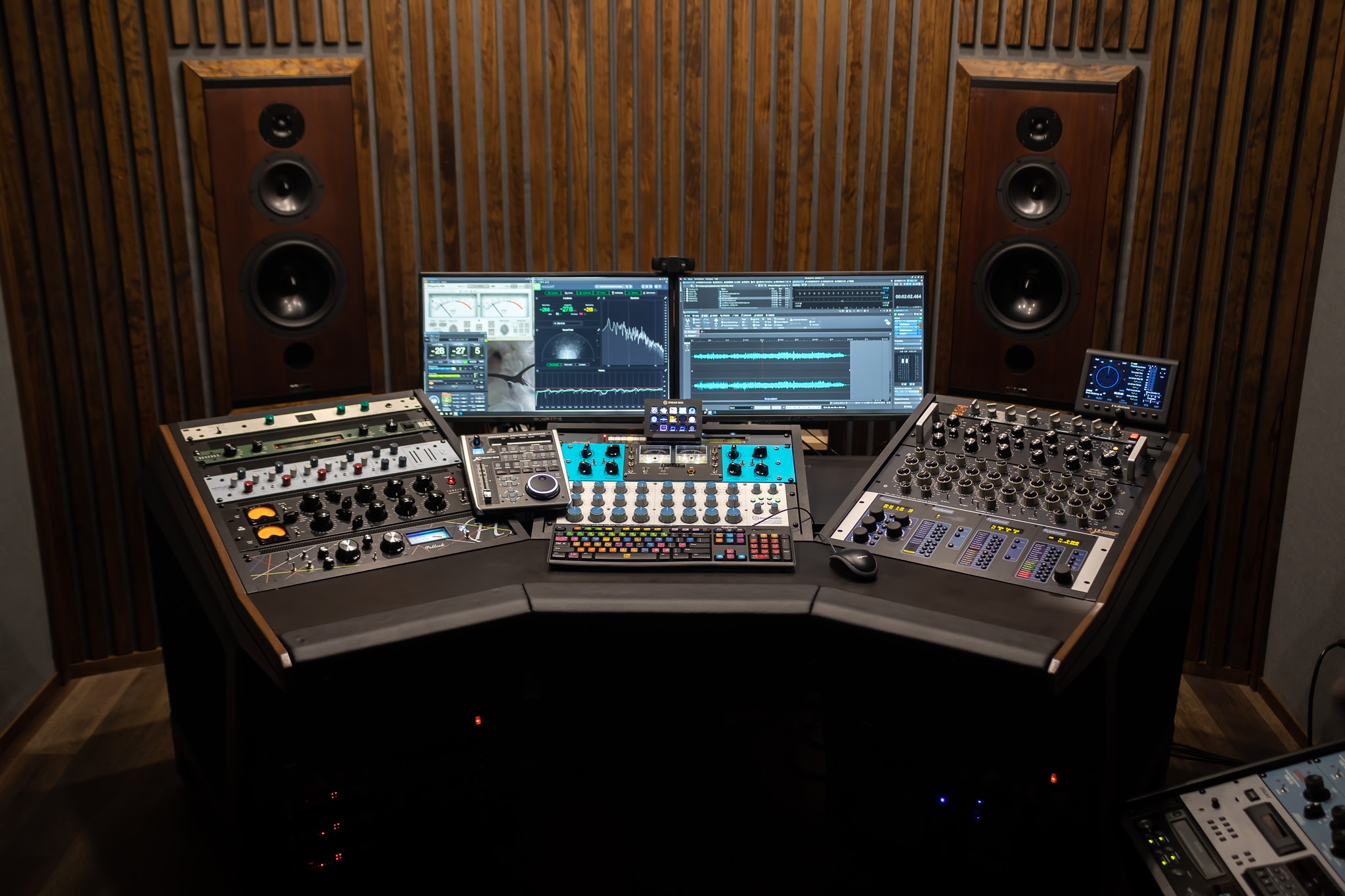
At LB-Mastering Studios, that usually begins with an objective listen to the mix before any final processing decisions are made. That step matters. It helps catch the issues that are easiest to fix early and hardest to fix later. From there, the goal is a release-ready pre-master that gives the cutting stage what it needs without stripping the music of impact, color, or emotion.
If you are serious about pressing a record, do not ask your digital master to do a vinyl job it was never built to do. Give the format the respect it requires, and it will usually give something back - depth, dimension, and a playback experience people still care enough to collect.