
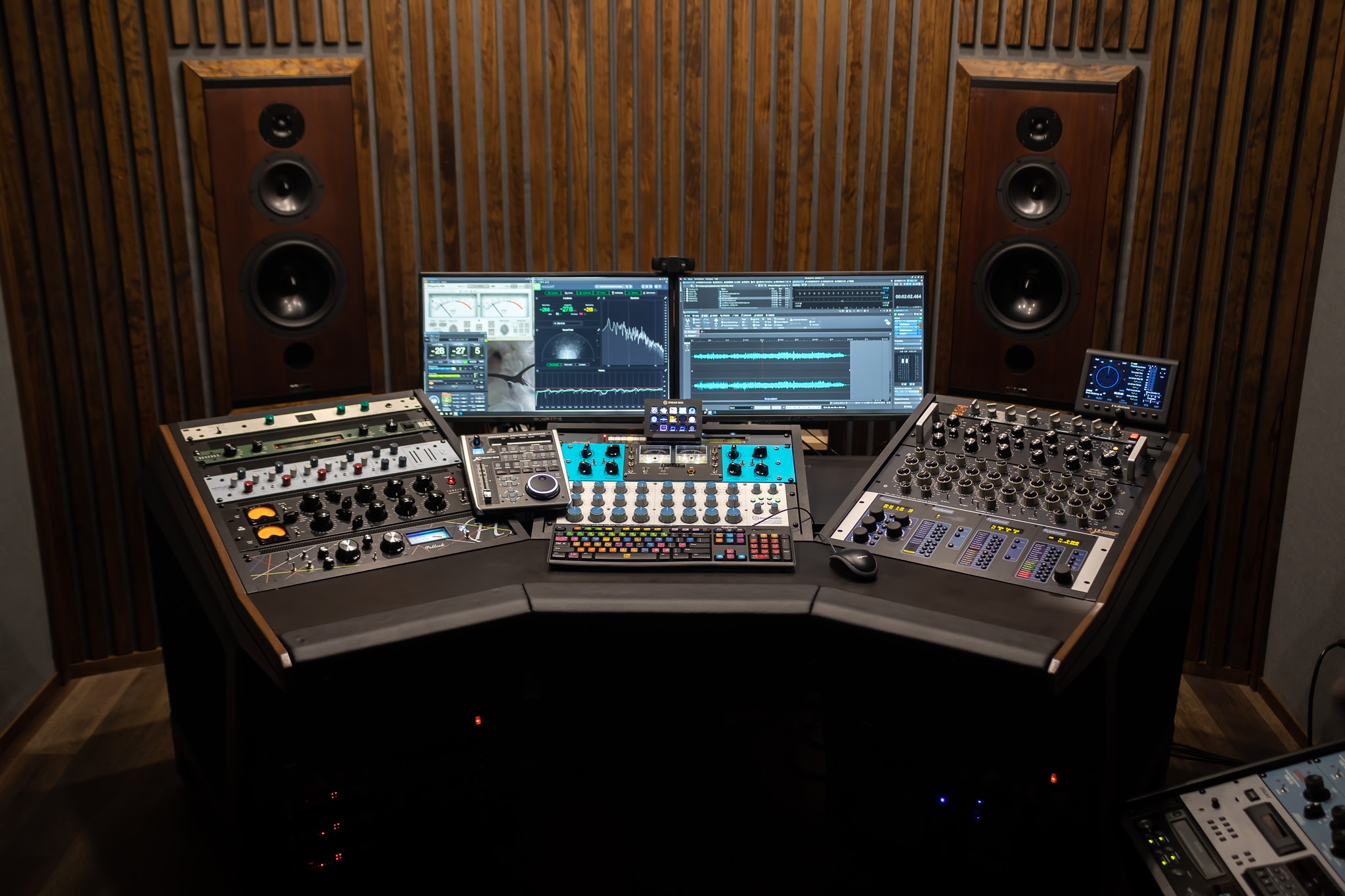


A mix can be technically clean and still feel flat. You hear every part, the balance is solid, the low end is controlled - but the record does not quite pull you in. That is usually where the conversation about how analog mastering adds depth starts, because depth is not just about louder lows or brighter highs. It is about dimension, front-to-back movement, tone density, and the sense that the song lives in a real acoustic space instead of sitting on a screen.
For artists, producers, and mix engineers, this matters for one simple reason: people respond to records that feel finished. A master with depth tends to translate as more immersive, more emotional, and more confident across speakers, headphones, cars, and streaming playback. That does not mean analog is magic, and it does not mean every song needs the same treatment. It means the right analog chain can help a strong mix sound more complete.
What depth really means in mastering
When clients say they want more depth, they are rarely asking for one isolated change. Usually they are reacting to a mix that feels two-dimensional. The vocal may feel disconnected from the track. The kick and bass may be present but not weighty. The top end may be detailed but slightly brittle. Everything is there, yet everything seems to sit on one plane.
Depth in mastering is the result of several things working together. Tonal balance is part of it, because the ear perceives front-to-back space differently when low mids, upper mids, and top end are in proportion. Dynamics are part of it, because a record needs contrast to feel alive. Harmonic structure matters too, because subtle saturation can make sounds feel denser and more tangible.
Analog mastering tools tend to affect all three at once. A compressor is not only shaping peaks. An equalizer is not only changing frequency level. The hardware itself can add tone, weight, and cohesion in ways that are hard to reduce to a single number on a screen.
How analog mastering adds depth in real terms
The simplest answer is that analog processing often creates a more dimensional relationship between tone and dynamics. Instead of sounding carved up or overly separated, the mix can feel glued together while still preserving movement.
A good analog chain often adds low-end roundness without turning the bottom muddy. It can open the top end without making cymbals or vocals feel sharp. It can firm up the center image while preserving width on the sides. Those are the kinds of changes that listeners usually describe as bigger, warmer, wider, punchier, or more expensive.
What they are hearing is not hype. They are hearing small nonlinearities, harmonic enhancement, transformer color, tube behavior in some cases, and the way analog compressors respond over time. Those details can make transients feel more natural and sustain feel richer. That combination is a big part of how analog mastering adds depth to a mix that already has a solid foundation.
Harmonics make elements feel more solid
One reason analog gear feels deeper is harmonic content. When high-end analog equalizers and compressors interact with a signal, they often generate subtle overtones that reinforce the source. This can help a vocal feel more present without just getting louder. It can help bass feel bigger without relying on exaggerated sub frequencies. It can help guitars and keys sit in the record with more body.
That is important because perceived depth often comes from density in the midrange and low-midrange, not from extreme EQ moves. If those areas feel hollow, the song can sound thin even when the spectrum looks balanced. Analog hardware can fill in that density in a natural way when used with restraint.
Compression behaves differently in analog
Not all compression creates depth. Too much compression can flatten a mix quickly, whether it is digital or analog. But a well-chosen analog compressor can enhance depth by controlling peaks while preserving envelope and groove.
This is where attack, release, ratio, and circuit design matter. Some analog compressors add punch by letting the transient speak before gently controlling the body. Others smooth the center of the mix and bring details forward in a more cohesive way. Either way, the goal is not to crush the life out of the track. It is to create control without losing motion.
When that is done well, the result often feels deeper because instruments are no longer fighting for the same exact spot. The groove breathes better. The vocal sits with more authority. The chorus can feel larger than the verse instead of simply louder.
EQ shapes space, not just brightness
Mastering EQ is often misunderstood as simple correction. In practice, it is one of the main tools for creating dimension. Small broad moves in analog EQ can shift the sense of size and placement in a mix.
A slight lift in the right top-end band can add air around a vocal and open the stereo picture. A careful low-frequency adjustment can make the kick and bass feel anchored instead of blurry. A reduction in the wrong low-mid buildup can clear a path for depth to appear naturally.
The key word is careful. Depth does not usually come from dramatic settings. It comes from decisions that improve relationship and perspective inside the mix.
Why analog does not fix a weak mix
This is the trade-off that needs to be said clearly. Analog mastering can enhance depth, but it does not manufacture quality from a compromised mix. If the vocal is too loud, the low end is distorted, the snare is harsh, or the limiter on the mix bus has already removed all movement, even great hardware has limited room to help.
That is why a proper mix evaluation matters before mastering starts. Sometimes the fastest way to a deeper master is not more processing. It is a small mix revision, such as backing off bus limiting, cleaning up low-mid buildup, or leaving enough headroom for the mastering chain to work properly.
For clients, this is good news. It means the process is predictable. You are not guessing whether your file will somehow turn into a release-ready master by force. You are getting honest quality control, then a mastering approach that serves the song.
When analog mastering makes the biggest difference
Some material benefits from analog depth more than others. Dense productions with layered vocals, live drums, guitars, synths, and complex low end often respond especially well because analog processing can improve cohesion without making the record feel sterile. Singer-songwriter tracks can also benefit when the goal is intimacy and presence. Hip-hop, rock, Americana, pop, jazz, and electronic records all can gain something from analog, but the approach changes with the arrangement and the emotional target.
It also depends on the mix engineer's choices. A very bright, aggressively limited mix may need a gentler path. A warm, dynamic mix may invite more color. There is no one preset answer, which is exactly why direct communication with the mastering engineer matters.
Depth still has to translate to modern delivery formats
A master can sound beautiful in the room and still fail in the real world if it does not translate. That is where experienced mastering matters. Depth is only useful if the final master holds together on streaming platforms, headphones, earbuds, cars, broadcast systems, and physical formats when needed.
That means analog tone has to be paired with modern deliverables and technical discipline. File preparation, platform-aware level management, sequencing, fades, spacing, metadata, and format-specific output all matter. The best result is not analog for analog's sake. It is analog character delivered in a way that works everywhere your release needs to go.
At LB-Mastering Studios, that process starts with listening. A free mix evaluation or sample master can tell you quickly whether your song is ready and what kind of analog treatment will actually improve it. That keeps the project focused on results instead of guesswork.
How to get more depth from your mastering session
If you want the analog chain to do its best work, send the cleanest and most flexible version of your mix. Leave headroom. Avoid limiters on the stereo bus unless they are essential to the sound. Export the highest-resolution file available. Make sure there is no clipping, and note any creative references or concerns about tonal balance, punch, width, or vocal presence.
Just as important, describe what you mean by depth. Some clients want more front-to-back space. Some want thicker low mids. Some want better separation without a brighter top. Those are different goals, and the mastering approach should reflect that.
A deeper-sounding record is rarely the result of one dramatic move. More often, it comes from experienced ears making a sequence of precise decisions with the right tools and the right restraint. When the mix is ready and the analog chain is chosen well, depth stops being a vague quality and becomes something you can hear immediately - more space around the vocal, more authority in the low end, more emotion in the speakers. That is when a song starts to feel less like a file and more like a record.