

High-resolution mastering gets misunderstood in one of two ways. Either it is treated like a magic upgrade that makes any mix sound expensive, or it is dismissed as a file-format talking point that nobody will hear. Both views miss the real issue.
If you are delivering music in 24-bit, 96 kHz, DXD, or DSD, the job is not simply to export a bigger file. The job is to preserve depth, transient detail, low-level information, and translation while making the record commercially ready. That takes the right mix, the right signal path, and the right decisions at the right stage.
A practical guide to high resolution audio mastering
High-resolution audio mastering is the process of preparing a final master from a high-quality source mix while maintaining as much audible integrity as possible through EQ, dynamics control, sequencing, level management, and final file creation. The point is not just higher numbers on a spec sheet. The point is cleaner conversion, better preservation of transients, and more room to make subtle mastering moves without forcing the music into harshness or collapse.
That said, high resolution is not always the same as better. If the mix has distortion, brittle top end, uncontrolled low end, clipping on the mix bus, or limiting baked in, mastering at 24-bit or above will not hide those problems. It can actually expose them.
This is why a serious mastering process starts before the mastering session. A good engineer listens for what the mix is already doing well, what needs correction, and what delivery targets the project actually needs.
Start with the best mix you can deliver
The quality of a high-resolution master is limited by the quality of the source mix. If you want an open, punchy, detailed final product, leave room for mastering to work.
In practical terms, deliver your mix as a stereo WAV or AIFF file at the original sample rate and bit depth of the session if possible. Do not upsample a 44.1 kHz project to 96 kHz just to make it look high-res. Artificially increasing the sample rate does not create new detail.
Leave headroom. A healthy peak ceiling below 0 dBFS gives the mastering engineer space to work with EQ, compression, and level control. Also, remove limiters, clipping plugins, and loudness maximizers from the mix bus unless they are essential to the sound and you have discussed that in advance. Too many mixes arrive already squeezed, and that reduces what can be done later.
If you are unsure whether the mix is ready, this is where a mix evaluation helps. Catching issues before mastering is faster and cheaper than trying to repair them after the fact.
What matters most in a guide to high resolution audio mastering
People often focus on sample rate first, but bit depth, source integrity, and conversion quality matter just as much. A well-mastered 24-bit file from a great mix will usually outperform a poorly handled 96 kHz master every time.
Here is the practical hierarchy.
First, the mix has to be solid. Second, the mastering chain has to support subtle and accurate decisions. Third, the engineer has to create the right deliverables for the release.
That is where experience matters. High-resolution mastering is not just a technical export task. It is level judgment, tonal balance, stereo image control, low-end discipline, and consistency from track to track. In an album or EP, this becomes even more critical because one song can sound exciting on its own and still feel wrong next to the others.
Analog chain or digital chain?
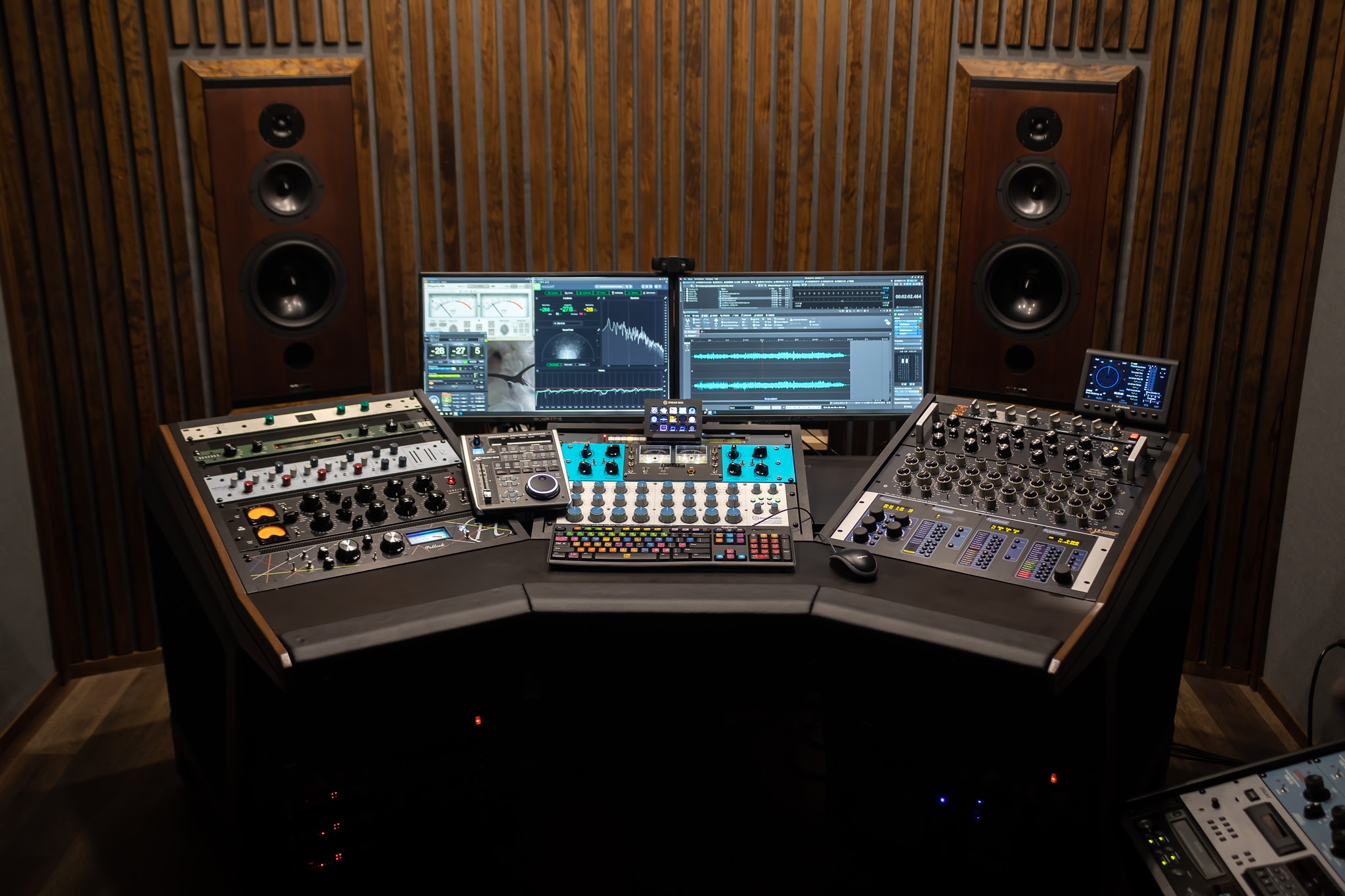
This depends on the material and the goal. A strong analog mastering chain can add density, depth, shape, and musical glue that many artists and producers still prefer, especially when they want punch, warmth, and a more dimensional midrange. At the same time, digital tools can offer precision for cleanup, recall, and format-specific delivery.
The real answer is not ideology. It is whether the chain serves the record.
For some projects, analog EQ and compression do the heavy lifting and create the character that makes the mix feel finished. For others, the right move is lighter analog shaping with careful digital capture and final formatting. High-resolution work especially benefits from disciplined conversion and gain staging. If the analog chain is excellent but the conversion stage is weak, you lose the very detail you were trying to preserve.
Loudness is still part of the conversation
A lot of artists ask for high resolution and loud masters in the same breath. Sometimes that works. Sometimes it does not.
The more aggressively you push level, the more likely you are to flatten transients, reduce depth, and create listener fatigue. High-resolution audio gives you the ability to preserve nuance, but that advantage can disappear if the master is over-limited.
This is where release strategy matters. A streaming single may call for a different loudness target than a jazz record, a film score, or a vinyl pre-master. There is no single correct number that fits every project. A professional mastering approach weighs genre, arrangement, playback context, and client goals before pushing level.
File formats and delivery targets
High-resolution mastering often includes more than one final output. The master approved in the session may need to be delivered in several versions depending on release format.
A common set of deliverables includes 24-bit WAV files for digital distribution, a DDP image for CD replication, Apple Digital Masters-compliant files when needed, and alternate versions for vinyl pre-mastering or high-resolution archival use. Some projects also require DXD or DSD deliverables.
Each target has its own technical expectations. That is why mastering should be done with the final destination in mind rather than making one master and hoping it works everywhere.
Streaming is not the same as archival high-res
Streaming platforms usually transcode audio into their own delivery formats. That means your high-resolution source still matters, but it does not mean the listener always receives the full native file. Good mastering for streaming is about preserving translation through that encoding process.
Archival or audiophile-focused releases are different. If the audience will access true high-resolution files, then the mastering engineer has to think carefully about noise floor, top-end texture, dynamic behavior, and the quality of the final file conversion. Small problems become easier to hear in better listening environments.
Sequencing, spacing, and metadata
For albums and EPs, mastering is also about continuity. Track order, fades, spacing, and perceived loudness from song to song matter just as much as the sound of the individual tracks.
Metadata matters too. If you need DDP delivery, proper track markers, CD-Text, ISRC codes, and other release details should be handled correctly before final approval. The fewer assumptions made at the end of the project, the fewer release-day problems you face.
Common mistakes that hurt high-resolution masters
The most common mistake is sending a damaged mix and expecting mastering to rebuild it. Clipped peaks, harsh top end, muddy low mids, and over-compressed vocals are still problems at high resolution.
The next mistake is exporting at the wrong settings. If your session is 24-bit, 48 kHz, send that. If it is 24-bit, 96 kHz, send that. Keep the native resolution intact. Do not convert casually, and do not add dither unless there is a specific reason to do so.
Another issue is approving masters on weak playback systems only. Earbuds and laptops are part of real-world translation, but they should not be the only check. A master should hold up on multiple systems because that is how listeners actually consume music.
Finally, many artists rush the final step. A proofing and revision process exists for a reason. A preview lets you confirm tonal balance, vocal level, low-end weight, transitions, and overall feel before full release files are created.
How to get better results from your mastering session
Come in with clear references, but use them carefully. References help define direction for tonal balance, low-end size, vocal placement, and overall energy. They should not become a demand to force your mix into a shape it cannot support.
Communicate what you are hearing and where you are uncertain. If you feel the chorus loses impact, if the kick feels too wide, or if the vocal gets sharp at high playback levels, say so. Good mastering is collaborative, even when the engineer is leading the technical choices.
It also helps to know what you need at the end. If your release requires streaming-ready files, DDP, Apple Digital Masters, or high-resolution formats for specialty distribution, say that upfront. The mastering path may change depending on those requirements.
At LB-Mastering Studios, that conversation is part of the quality-control process, because the goal is not just to make the track sound better in the room. The goal is to deliver final masters that are approved, compliant, and ready for release.
High-resolution mastering is worth doing when the source is strong, the process is disciplined, and the final deliverables match the real-world release plan. Bigger files alone do not make a better record. Better decisions do.