
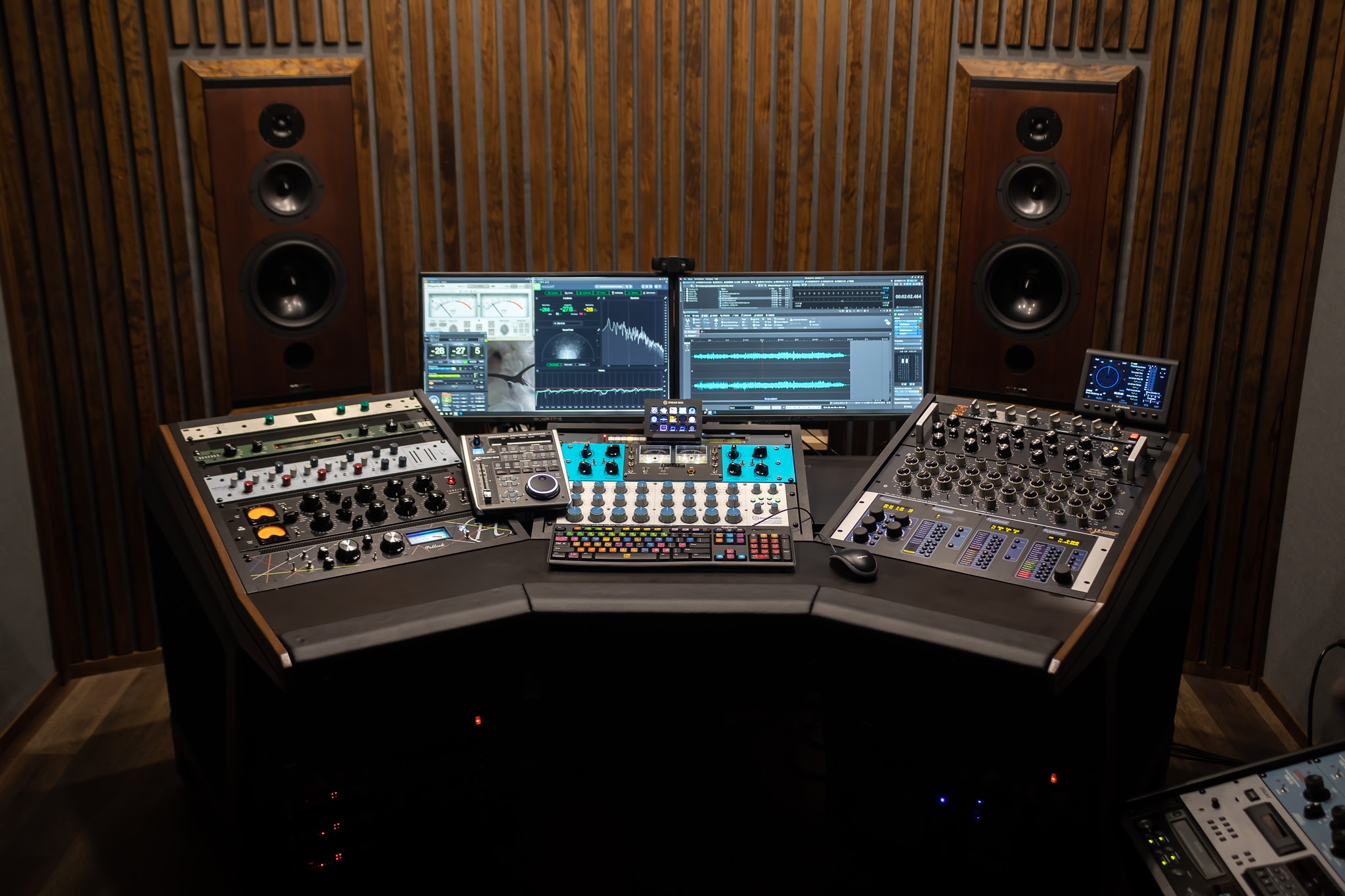
If you are delivering a project in a premium format, high resolution audio mastering dsd is not just a file conversion job. It is a quality-control decision that starts at the mix, runs through the mastering chain, and ends with a release file that preserves detail without creating new problems. That matters because DSD can sound excellent when handled correctly, but it also exposes weak source material, poor gain staging, and careless processing faster than many artists expect.
What high resolution audio mastering DSD really means
DSD is a one-bit audio format that behaves very differently from standard PCM delivery formats such as WAV at 24-bit/44.1 kHz, 48 kHz, or 96 kHz. When clients ask for a high-resolution master in DSD, they are usually looking for maximum fidelity, archival quality, or a release path that supports SACD and certain audiophile distribution channels.
The key point is this - DSD is not automatically better because the label says high resolution. The result depends on the source, the transfer path, the processing choices, and whether the mastering engineer understands where DSD helps and where PCM remains the better working environment.
In real-world mastering, many projects benefit from being processed in a very high-quality analog and PCM workflow before final delivery to DSD or DXD. That approach often gives better control over EQ, dynamics, sequencing, and error checking. A good engineer does not chase format prestige. He chooses the path that protects the music.
Why artists and producers ask for DSD masters
Some clients come to DSD because they have an audiophile audience. Others want the highest-quality archive of a finished album. Some simply want options - streaming masters, DDP for manufacturing, and a high-resolution deliverable from the same approved source.
Those are all valid reasons. But the motivation should be clear before mastering starts. If the actual release destination is streaming, then a great PCM master may be the primary priority, with DSD created as an additional deliverable. If the project is intended for high-resolution distribution or collector formats, then the mastering choices may shift earlier in the process.
This is where direct communication with the engineer matters. The target format affects headroom, sequencing decisions, noise management, and even how aggressive any analog processing should be.
DSD is revealing, which is both good and unforgiving
A well-balanced mix can sound open, dimensional, and natural in DSD. Transients can feel less pinched. Depth cues can hold together beautifully. Acoustic material, jazz, classical, ambient, singer-songwriter, and carefully recorded rock often benefit from that sense of ease.
But there is a trade-off. If the mix is harsh, over-limited, brittle in the upper mids, or cloudy in the low end, DSD will not hide it. In some cases it makes those issues easier to hear. That is why mix evaluation matters before any high-resolution audio mastering DSD workflow begins.
The best outcome usually starts with practical preparation. Leave healthy headroom. Avoid clipping on the stereo bus. Remove limiters unless they are absolutely part of the sound. Export the mix at its native resolution. If the mix already sounds squeezed or distorted, the mastering engineer has fewer options no matter how premium the target format appears on paper.
The source file still decides the ceiling
One of the most common misunderstandings around high-resolution delivery is the belief that a low-resolution or compromised source can be upgraded into a true high-resolution result. It cannot.
If a mix was printed at a lower sample rate, heavily clipped, or damaged by poor conversion earlier in the chain, wrapping it in DSD will not restore missing information. You may still want a DSD version for consistency in a catalog, but the file will only be as strong as the source feeding it.
This is where experienced mastering earns its value. A seasoned engineer can identify whether the mix is ready, whether revisions are needed, and whether the project should stay in a cleaner PCM path for most of the work before final output. That kind of decision protects the release instead of forcing the format.
Analog mastering and DSD can work very well together
For artists who want depth, punch, and musical tone rather than sterile loudness, an analog mastering chain can be an excellent fit before high-resolution delivery. High-end analog EQs and compressors often add shape and cohesion in a way that feels natural rather than clinical.
That does not mean every project needs heavy analog color. Sometimes the right move is subtle low-end control, a touch of width management, and careful top-end shaping. Other times, especially with aggressive mixes, too much analog emphasis can crowd the midrange or soften the attack more than the music can afford. It depends on genre, arrangement, and what the mix is already doing.
The point is not to advertise gear. The point is to use the right chain with intent. If the engineer knows how to balance analog tone with modern delivery specs, DSD can carry that result beautifully.
A practical workflow for DSD mastering
The strongest DSD projects usually follow a disciplined process rather than a fast export. First comes mix review. That stage catches clipping, over-compression, vocal harshness, muddy bass, spacing issues, and sequencing concerns before mastering begins.
Then comes the actual mastering pass. Depending on the project, that may involve analog equalization, dynamic control, stereo image decisions, level optimization, and quality checks against the intended release path. If multiple formats are needed, the engineer should build from one approved sonic direction rather than create separate masters that drift apart tonally.
After that, proofing matters. A preview or sample section lets the artist confirm direction before final files are printed. Revisions are part of quality control, not a sign that something went wrong. Small changes in low end, vocal presence, or track spacing can make a major difference in how an album translates.
Finally, the approved master is rendered to the required formats. That may include DSD, DXD, high-resolution PCM, or manufacturing-ready assets depending on the project. The goal is consistency across deliverables, not a different sonic identity for each file type.
Preparing your mix for high resolution audio mastering DSD
If you want the best result, send the cleanest possible source. Export the final stereo mix without brickwall limiting on the mix bus unless that limiter is essential to the sound and already approved creatively. Leave a few dB of headroom. Keep fades clean. Check for clicks, pops, edit bumps, and noisy track starts or endings.
Use the mix's native sample rate and bit depth when exporting. Do not upsample just to make the file look more impressive. Do not normalize the file. If you have alternate versions, such as instrumental, clean, or performance tracks, label them clearly from the start.
Most important, say what the release needs. Are you targeting streaming first? Do you need a high-resolution archive? Is there a physical release plan? The more clearly you define the destination, the easier it is to build the right mastering path.
When DSD is worth it and when it may not be
DSD makes sense when the recording and mix quality are already strong, when the audience values premium playback, or when the label wants a high-end archival master. It also makes sense when the project deserves multiple professional deliverables and the engineer can manage them from one coherent master.
It may not be the first priority if the mix still needs work, if the main release is streaming-only, or if the budget should go toward improving the source rather than expanding the format list. A better mix in standard high-resolution PCM will usually outperform a weaker mix delivered in DSD.
That is not a knock on the format. It is just honest mastering practice. Format decisions should serve the record, not distract from it.
Choosing an engineer for DSD work
This is one of those areas where experience shows quickly. You want an engineer who can talk plainly about source quality, analog versus digital processing choices, final delivery requirements, and realistic trade-offs. You also want a proofing process that gives you confidence before release.
At LB-Mastering Studios, that means direct engineer communication, mix evaluation, preview approval, and final masters built for the formats the project actually needs. If you are considering DSD, ask for a free mastering demo or request a free quote before committing the full project. It is the easiest way to hear whether your mix is ready for a high-resolution path.
A good DSD master should feel like the record became more itself - more depth, more balance, more authority, and no surprises when the final files are delivered.