
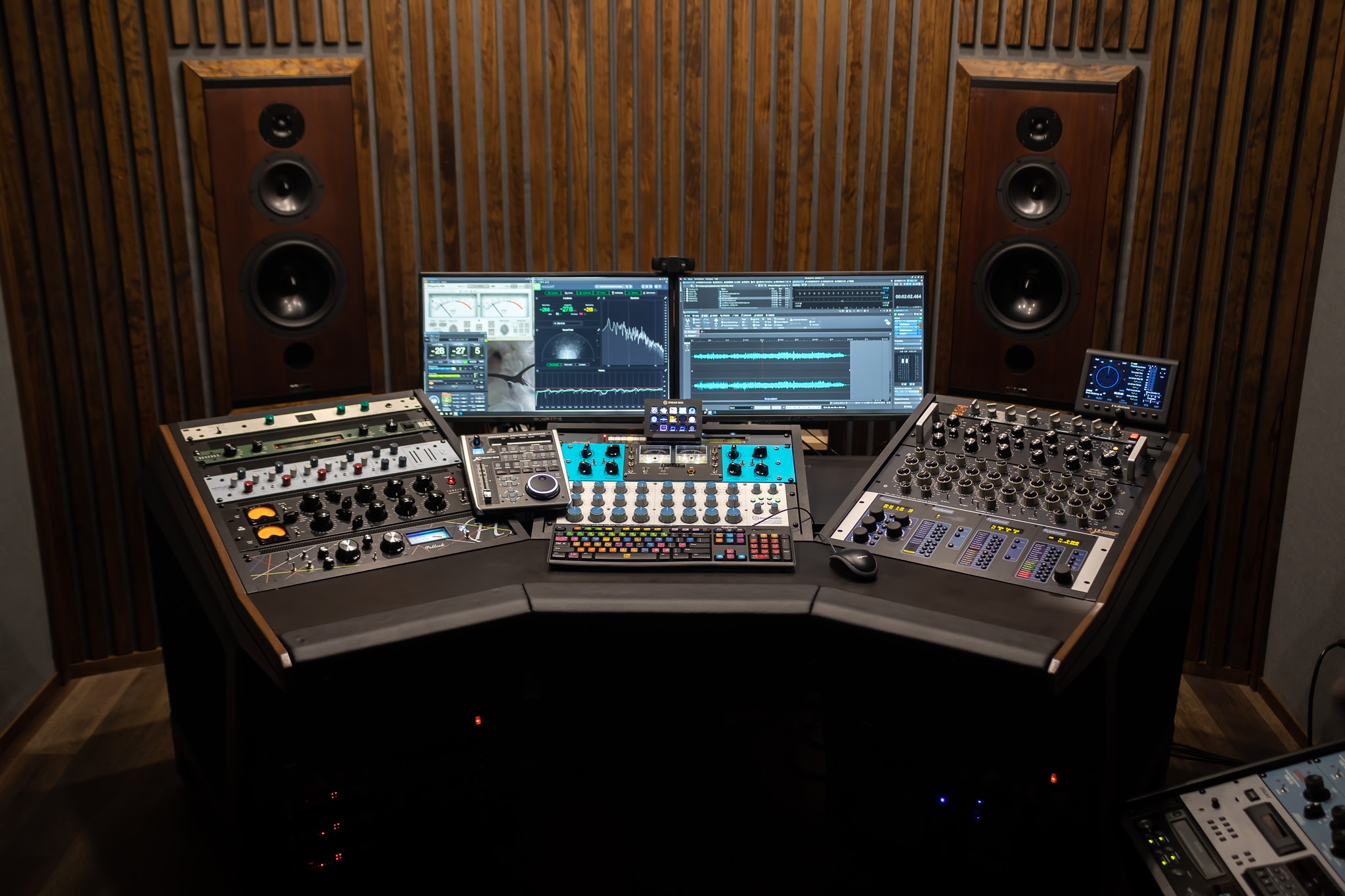


If your record sounds huge in the studio but falls apart when it hits the lathe, the problem usually started before the cut. A solid guide to vinyl lacquer preparation is really about making smart mix and pre-master decisions early, so the cutting engineer is working with a record that can translate to the real world without distortion, groove issues, or unnecessary compromises.
Vinyl is not just another export target. It is a physical format with mechanical limits, and those limits affect low end, stereo width, sibilance, running time, sequencing, and level. If you want a record that feels full, open, and musical on playback, lacquer prep needs to be treated as its own stage, not an afterthought after streaming and digital masters are finished.
What vinyl lacquer preparation actually means
Vinyl lacquer preparation is the process of shaping and delivering audio so it can be cut safely and musically to lacquer. That includes technical choices, but it is also a translation exercise. The goal is not to make the loudest master possible. The goal is to create a pre-master that gives the cutting engineer room to do their job while preserving tone, punch, and stability in the groove.
This is where artists and producers often run into trouble. A master built to win on streaming can work against the cut. Heavy limiting, exaggerated top end, overly wide low frequencies, and long side lengths all force trade-offs. The cutting engineer can sometimes work around those issues, but every workaround costs you something - level, bass weight, transient impact, or overall ease of playback.
Guide to vinyl lacquer preparation: start with the mix
The best vinyl masters begin with balanced mixes. If the mix is fighting itself, lacquer prep becomes damage control.
Low end is usually the first place to look. Deep bass can sound excellent on vinyl, but it needs to be controlled and centered. If the sub region is too wide in stereo, the cutter head has to deal with vertical movement that can create tracking problems. That does not mean every mix needs to be narrow or lifeless. It means the foundation of the record should be stable, with the deepest energy kept focused.
Top end deserves just as much attention. Bright vocals, cymbals, hi-hats, and sharp consonants can become aggressive when transferred to vinyl. Sibilance is especially risky. A vocal that seems exciting in the box can turn into spit and splash on a turntable. De-essing and careful EQ in the mix are often better solutions than trying to fix everything later.
Dense arrangements also matter. If every section is packed wall to wall, lacquer prep has fewer options. Vinyl tends to reward depth, contrast, and arrangement discipline. Space in the mix is not weakness. It is often what helps a side cut louder and play back cleaner.
Dynamics matter more than many artists expect
One of the biggest mistakes in vinyl prep is delivering an already crushed master. A limiter that sounds acceptable on a phone or in a playlist can remove the transient shape and openness vinyl needs to breathe.
In most cases, the cutting engineer would rather receive a dynamic pre-master than a loud digital master. Peaks are not the enemy here. Over-control is. If you flatten the music too early, you leave less room for the cut to sound natural and less room for groove geometry to behave.
This is one reason engineer-led vinyl pre-mastering helps. An experienced mastering engineer can shape tone, control problem areas, and preserve impact without forcing loudness in a way that works against the format. The target is musical authority, not digital-style loudness.
Side length changes everything
A short, well-sequenced side gives you options. A long side forces compromises.
As side time increases, available level usually drops. Inner groove performance becomes more critical, and high-frequency detail can become harder to maintain cleanly, especially toward the end of the side. That is why sequencing matters. Tracks with dense top end, heavy sibilance, or demanding transients are often better placed earlier in a side. Quieter or less aggressive material can be more forgiving near the inner diameter.
There is no single perfect side length because genre, arrangement, and desired level all affect the answer. A quieter acoustic project can often tolerate different constraints than a loud rock or electronic release. This is where "it depends" is not a dodge. It is the truth. The more ambitious the level and bass impact you want, the more valuable shorter sides become.
Stereo image and phase need attention
A good guide to vinyl lacquer preparation has to address phase, because stereo decisions that sound exciting digitally can become liabilities on a cut.
The lowest frequencies should generally remain close to mono. That helps groove stability and improves playback compatibility across turntables. Higher-frequency width is less dangerous, but phasey synths, chorused bass elements, and wide ambience can still create unpredictable results if they are overdone.
This does not mean vinyl requires a narrow presentation. Far from it. Records can sound wide and immersive. The point is that width has to be built on a solid center. If your mix relies on phase trickery to feel large, check that carefully before lacquer prep. What sounds impressive on headphones may not survive the format gracefully.
File delivery for vinyl pre-mastering
If you are sending files for vinyl lacquer prep, clean delivery makes the process faster and more predictable. Export the highest-resolution stereo mix you have available, without sample-rate conversion unless it is necessary. Leave healthy headroom. Do not print a brickwall limiter on the mix bus unless the engineer specifically asks for it or it is an intentional part of the sound that has already been discussed.
Also avoid clipping, low-resolution exports, and last-minute processing chains added during bounce. If there are alternate versions, notes about side breaks, or concerns about specific tracks, say that upfront. Direct communication with the engineer saves time and prevents avoidable revisions.
Reference notes can help, but they should be practical. If you love the warmth and weight of a certain record, mention that. If there is a track you know has aggressive vocal sibilance or bass that feels borderline, mention that too. The more transparent the handoff, the better the result.
Test listening before you approve anything
Vinyl problems usually announce themselves if you know where to listen. Before signing off on a pre-master, pay attention to vocal consonants, cymbal edge, bass stability, and how the end of each side feels. If a track already sounds strained, edgy, or crowded in a controlled listening environment, those issues may become more obvious after cutting and pressing.
This is why a proofing process matters. A preview-and-approval workflow gives you the chance to catch risk areas before they become manufacturing problems. For serious releases, that quality-control step is not optional. It is part of protecting the project.
At LB-Mastering Studios, that client-first approach matters because vinyl prep is rarely just about file specs. It is about hearing what could go wrong before it does, then adjusting with intention.
Common mistakes that cost artists time and quality
Most vinyl setbacks come from a small group of avoidable choices. The first is treating the vinyl version like the streaming version. The second is pushing too much level too early. The third is ignoring side timing until the release is already laid out.
Another common issue is sending a mix that has not been evaluated for sibilance, low-end width, or phase behavior. None of these problems are unusual, and none of them mean a project is doomed. But they do need to be handled before lacquer cutting, not discovered after test pressings.
The good news is that vinyl rewards preparation. When the mix is balanced, the sequencing is realistic, and the pre-master leaves room for the format, records tend to come back sounding more dimensional and more satisfying than many artists expected.
When to ask for help
If you are not sure whether your mix is vinyl-ready, that is usually the right time to get an expert opinion. A quick evaluation can reveal issues that are easy to miss when you have been living with a project for weeks or months. This is especially true if the release has strong low end, bright vocals, dense high-frequency content, or side lengths that are pushing the edge.
The best vinyl prep is proactive. It catches the problems that force compromises and solves them while there are still choices available. That is how you protect tone, preserve impact, and give the cutting stage the best possible source.
A record does not need to be perfect to cut well, but it does need to be honest about the format. Respect those limits, and vinyl has a way of giving that respect back in the form of depth, weight, and playback that feels worth owning.