

A song can feel finished in your studio and still fall apart the second it reaches mastering. The kick is a little too wide, the vocal rides a little hot, the limiter is shaving off transient detail, and suddenly the master has less room to work than you thought. That is exactly why a free mix check before mastering matters. It gives you an objective read on whether your mix is actually ready, before you spend time approving changes built on a flawed foundation.
For artists, producers, and mix engineers, this is not about nitpicking. It is quality control. A good mix check can catch the issues that cost the most later - weak translation, harsh upper mids, over-compression, clipped exports, muddy low end, or simple file-prep mistakes that make a solid song harder to finish at a professional level.
What a free mix check before mastering actually does
A proper evaluation is not the same thing as generic feedback. It is a focused technical and musical review of whether the stereo mix has enough headroom, clarity, balance, and integrity to respond well to mastering.
That distinction matters. Mastering can enhance tone, shape dynamics, improve translation, and prepare release-ready deliverables. It cannot fully repair a vocal buried under guitars, a bass line fighting the kick in every chorus, or a mix bus limiter flattening the life out of the track. When an engineer checks the mix first, the goal is to identify whether the best next move is mastering now or a quick revision first.
This saves time on both sides. More importantly, it protects the result. If your mix is already solid, you move forward with confidence. If something needs attention, you can fix it while the session is still efficient.
The issues that show up most often
The biggest problem is usually not a dramatic mistake. It is a small decision repeated across the whole song. A little too much low-mid buildup can make a record feel cloudy and smaller than it should. A little too much limiting can make it feel loud in the room but flat everywhere else. A bright vocal can sound exciting on nearfields and brittle in earbuds.
Headroom is another common point of confusion. Engineers do not need a superstition-based number like exactly -6 dBFS peak, but they do need a clean file with real working space. If your mix is clipping, hitting a limiter hard, or printed too hot for no reason, mastering becomes corrective before it becomes creative.
Stereo image problems also show up often. Wide synths, reverbs, and low-frequency effects can sound impressive in headphones and unstable in mono or on speakers with poor room coupling. A mix check can flag whether that width is helping the song or setting up translation problems.
Then there are export issues. Wrong sample rate, unintended dither, missing fades, clipped tails, print-through from bus processing, or a reference level mismatch can all slow the project down. None of these are glamorous topics, but all of them affect the final product.
Why mastering is stronger when the mix is evaluated first
Mastering works best when the source already has intention. If the vocal level is right, the low end is controlled, and the dynamics are musical rather than crushed, the engineer can focus on enhancement instead of rescue.
That usually means better tone decisions, better depth, and better translation across listening systems. It also means fewer revision cycles caused by issues that were really mix problems from the start. A client may ask for more vocal presence or more punch, but if the limiter has already removed the transient shape and the vocal is masked in the arrangement, those requests are not always mastering moves.
This is where direct communication with the engineer matters. A useful mix check does not just say, "the mix needs work." It tells you what to adjust and why. Pull back the bus limiter. Reprint without clipping. Ease 2 to 3 dB in the low mids. Let the snare transient breathe. Tame the vocal esses before they become a broadband brightness problem. That kind of feedback is practical, not vague.
Free mix check before mastering is not the same as free mastering
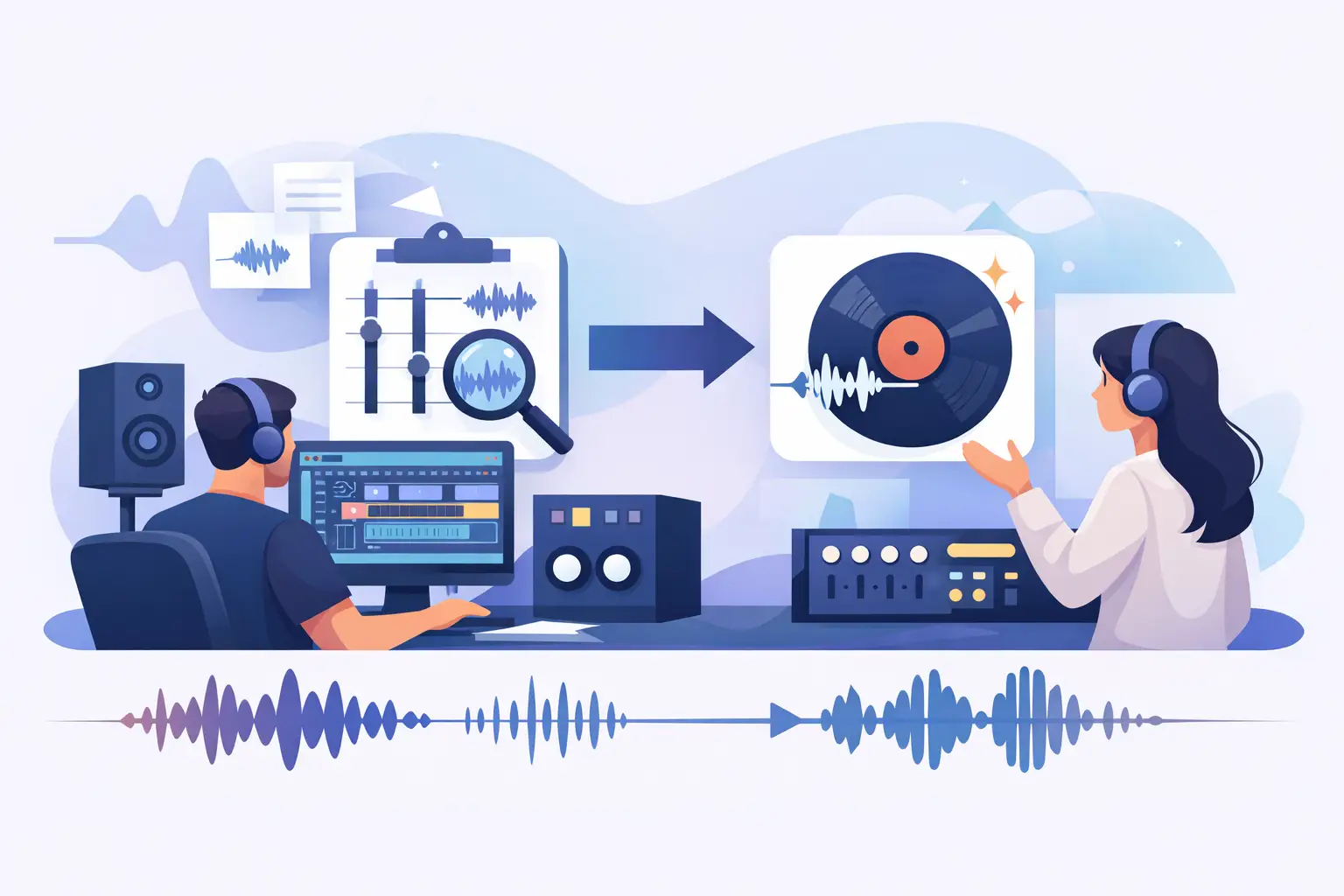
These two ideas get blended together, but they serve different purposes. A free mix check is diagnostic. It helps determine readiness and reduce risk. A sample master, when offered, demonstrates how the track responds once it is in the mastering chain.
Both can be useful. The mix check tells you whether your file is set up for success. The sample lets you hear what the engineer hears in the material and how the record might open up with the right approach. For serious releases, that sequence makes sense - evaluate first, then process with a clear plan.
What to send for an accurate evaluation
If you want a meaningful response, send the same file you intend to approve for mastering, not a rough bounce from a different session version. Export the stereo mix at the native session resolution if possible, leave the mix bus unclipped, and remove any limiter used only for loudness unless it is truly part of the sound.
If bus compression, EQ, saturation, or tape emulation is integral to the mix, keep it in. If a plugin is there just to make the rough feel louder, print a version without it. That gives the engineer real room to work while preserving your actual mix decisions.
It also helps to mention your intended release path. Streaming-only projects, CD/DDP production, Apple Digital Masters delivery, high-resolution releases, and vinyl pre-master preparation all benefit from slightly different technical awareness. The earlier that context is clear, the cleaner the finish.
What good feedback should sound like
Strong engineering feedback is specific, calm, and useful. It should identify what is working, what is holding the song back, and whether the issue must be fixed before mastering or can be handled during the session.
For example, a good note might say the mix has strong vocal placement and punch, but the sub information is a little uncontrolled below 40 Hz and the two-bus limiter is taking too much off the kick. That gives you a path forward. A weak note just says the track is muddy.
The best engineers also understand trade-offs. Sometimes the gritty top end is part of the record. Sometimes the dense low midrange is part of the genre. The question is not whether a mix is clinically perfect. The question is whether it will translate, hold together emotionally, and leave enough space for mastering to improve it without fighting it.
Why this matters for independent releases and label-level work
If you are releasing music on your own, a free mix evaluation can prevent expensive guesswork. You do not have to wonder if your track sounds off because of your room, your headphones, or your upload chain. You get a professional read before release.
If you are delivering work to clients, labels, or manufacturing, the value is even higher. A clean handoff matters. The fewer avoidable issues in the source mix, the faster the approval process and the more predictable the final masters. That is especially true when you need multiple deliverables and cannot afford preventable revisions.
An engineer-led workflow built around mix evaluation, mastering, approval, and final delivery is not just convenient. It is how you reduce surprises. That is one reason serious clients value free previews, revision support, and direct communication instead of a blind upload-and-wait process.
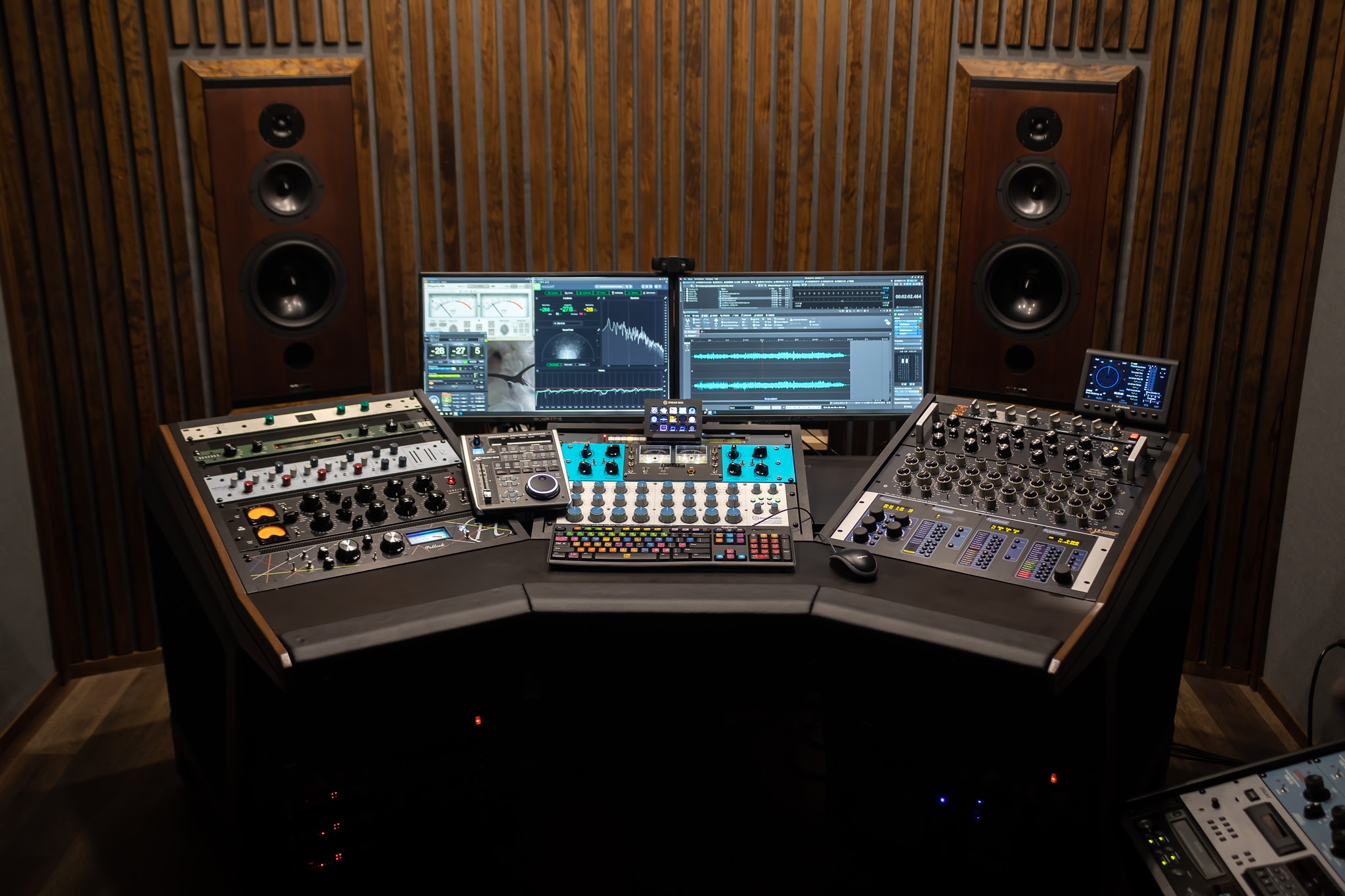
At LB-Mastering Studios, that service mindset is paired with the kind of technical discipline that keeps projects moving - experienced ears, analog-focused mastering judgment, and deliverables that are prepared for real-world release, not just a loud reference file.
When your mix is ready, and when it is not
A mix is usually ready for mastering when the balance feels intentional, the dynamics still breathe, the file is technically clean, and the remaining questions are about enhancement rather than repair. If the chorus still collapses, the vocal still disappears, or the low end still changes shape from system to system, it is probably worth revising before mastering.
That is not a setback. It is the point of the check.
A free mix check before mastering gives you one of the most valuable things in audio production - an honest checkpoint before release. Sometimes the answer is, "send it, this is ready." Sometimes the answer is, "one small revision will make the master noticeably better." Either way, you move forward with clarity, and that is how stronger records get finished.