
A master that sounds huge in the studio can fall apart fast once it hits streaming. The low end shifts, the vocal feels smaller, the top end gets gritty, and suddenly the version you approved is not the version listeners hear. That is why mastering for Spotify and Apple Music is not just about making a track louder. It is about making smart decisions that survive playback normalization, codec conversion, earbuds, cars, laptops, and full-range systems.
For artists, producers, and mix engineers, this is where a lot of releases either hold up or lose impact. The goal is not to chase a single number. The goal is translation.
What mastering for Spotify and Apple Music actually means
Streaming platforms do not simply play your file exactly as delivered. They may turn it down, encode it into a lossy format for playback, and feed it through very different user settings and devices. Apple Music and Spotify also do not behave exactly the same way in every listening situation, which means your master has to be strong enough to handle variation.
That changes the job of mastering. Instead of forcing maximum loudness, the better approach is to create a balanced, controlled, musical master that still feels punchy after normalization. If a track is pushed too hard, streaming will often turn it down anyway, and you are left with less punch, less depth, and more distortion than a more controlled master would have had.
This is one of the biggest misunderstandings around streaming. Louder on the meter does not automatically mean louder in the real world. In many cases, it means smaller.
Why Spotify and Apple Music can expose problems
Both platforms reward clean balance more than brute force. If your limiter is shaving off every transient, drums can lose their attack once the playback level is adjusted. If your upper mids are hyped to create excitement, lossy encoding can make that same area turn brittle. If your sub is oversized, it may feel impressive on studio monitors but become inconsistent across earbuds and consumer speakers.
Apple playback can be especially revealing when the source is converted and reproduced across its ecosystem of phones, earbuds, laptops, and smart speakers. Spotify has its own playback variables, and users can listen with normalization settings that change perceived loudness from one track to another. The practical takeaway is simple: a streaming-ready master needs discipline.
That usually means tighter low-end control, cleaner midrange decisions, and more respect for transient detail than many artists expect.
Mix decisions that make mastering easier
The best streaming master starts in the mix. If the mix is already over-limited, clipped, or harsh, mastering becomes damage control instead of refinement.
Leave clean headroom. A mix that peaks below 0 dBFS and is exported without a limiter on the stereo bus gives the mastering engineer room to work. The exact peak level matters less than avoiding intersample issues, clipped transients, and unnecessary bus processing that cannot be undone.
Low end is another major factor. Kicks and bass need definition, not just size. If they are fighting each other, no amount of final EQ will make the groove feel expensive. Streaming compression tends to make low-frequency confusion more obvious, especially on smaller playback systems.
Vocals also deserve close attention. If the vocal level is inconsistent, too sibilant, or masked by dense instruments, those issues often become more obvious after mastering and encoding. A balanced vocal with controlled consonants usually translates better than a bright vocal that only sounds exciting at high monitoring levels.
How loud should a streaming master be?
There is no single perfect loudness target that works for every song. Genre, arrangement, and emotional intent matter. A hard-hitting rock record can support different mastering choices than a sparse acoustic track or a modern pop single.
That said, the streaming era has made one thing very clear: chasing extreme loudness is usually a losing move. If your track is heavily limited just to hit a hotter integrated loudness number, Spotify or Apple Music may turn it down while preserving all the side effects of over-processing. You do not get extra impact. You just get less life.
A competitive streaming master should feel strong, not crushed. Punch should survive. The chorus should open up. The vocal should stay stable. The low end should remain full without turning blurry. Those outcomes matter more than forcing the loudest possible print.
This is where experienced mastering pays off. Loudness is not just a meter reading. It is the result of tonal balance, dynamic control, transient shape, and arrangement density working together.
True peak, codec conversion, and why clean margins matter
One of the easiest ways to run into trouble on streaming is ignoring true peak. A file can look safe on a standard peak meter and still create overs during codec conversion. That can lead to distortion that was not obvious in the original bounce.
For mastering for Spotify and Apple Music, true-peak management matters because the delivered master will likely be encoded for playback. A little extra care here protects the end user experience. It is a small technical detail with audible consequences.
This is also where overly aggressive top end can backfire. Air and clarity are good. Brittle highs that rely on hype are not. Once encoded, that edge can get unpleasant fast. A better result usually comes from controlled presence, stable transients, and a top end that feels open without getting spiky.
Apple Digital Masters and platform-aware delivery
Apple has specific expectations for higher-quality delivery, and not every master that works for general streaming is automatically ideal for that path. If you are preparing an Apple Digital Master, source quality, headroom, and overs become even more important.
That does not mean you need separate wildly different masters for every platform. Often, one well-executed master translates extremely well across both Spotify and Apple Music. But it does mean the engineer should be paying attention to platform-aware details instead of treating all digital delivery as identical.
For serious releases, metadata and file integrity matter too. The technical side of delivery is part of quality control, not an afterthought.
Analog tone and streaming delivery can work together
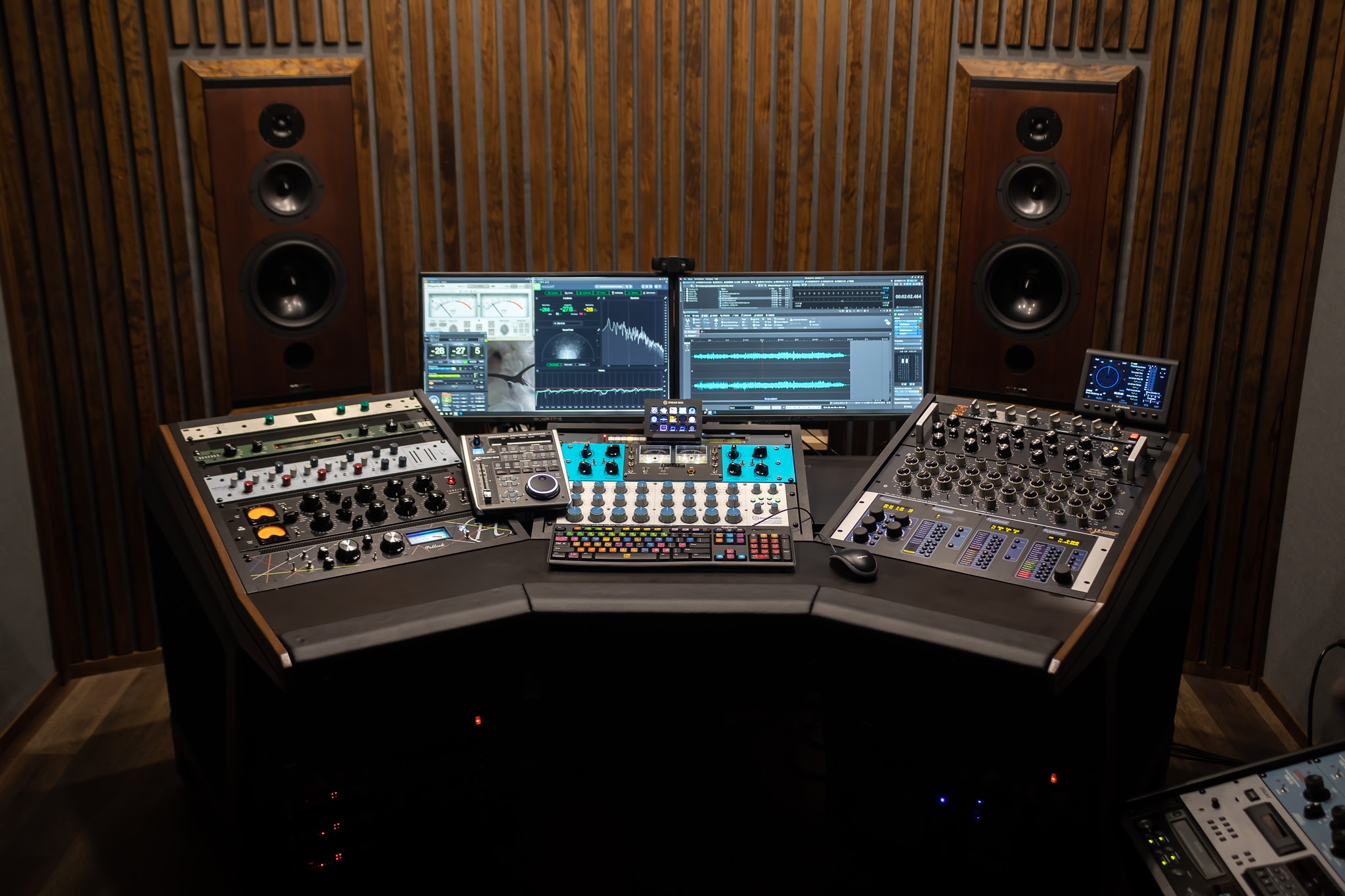
Some artists assume analog mastering and streaming optimization are pulling in opposite directions. They are not. A strong analog chain can add depth, punch, width, and tonal cohesion that helps a track translate better, not worse.
The key is judgment. Analog color should support the record, not blur it. If your low end gets thicker, it still needs to remain controlled. If the mids get richer, the vocal still has to sit clearly. If the transients are softened for musical reasons, they cannot disappear.
When analog gear is used with purpose, the result can be exactly what streaming needs: a master that feels bigger and more musical without relying on brittle brightness or crushed limiting. That balance is especially valuable for artists who want character and commercial compatibility at the same time.
A practical workflow for release-ready results
The safest approach is a simple one. Start with a mix evaluation before mastering begins. That catches avoidable problems early and prevents you from paying for fixes that should have happened in the mix.
Then master from clean, full-resolution files with enough headroom and no limiter on the stereo bus unless it is an intentional part of the sound. Review a proof carefully, not just on studio monitors but on the systems your listeners actually use. Earbuds, the car, a Bluetooth speaker, and a decent full-range setup can all reveal different things.
If revisions are needed, make them before final delivery. This is where a real approval process matters. A release should not feel rushed across the finish line just because the file is technically complete.
At LB-Mastering Studios, that process is built to reduce risk for the client: mix evaluation, mastering, approval, and final masters, with direct communication and a free sample master available at https://lbmastering.com. For artists who care about both analog quality and modern deliverables, that kind of workflow solves problems before release day.
What to send your mastering engineer
Send the highest-resolution stereo mix you have, exported at the session sample rate and bit depth when possible. Leave the stereo bus free of clipping and avoid sample-rate conversion unless there is a specific reason to do it yourself. If there are alternate versions, instrumentals, clean edits, or sequencing notes, include those up front.
Reference tracks can help, but only if used correctly. The point is not to clone somebody else’s loudness or EQ curve. The point is to communicate feel, weight, vocal position, brightness, and overall impact.
A good mastering engineer will translate that intent into something that works for your mix, your genre, and your release goals.
The best streaming masters are rarely the most extreme. They are the ones that stay musical after the platform gets involved. If you want your release to hold up on Spotify and Apple Music, focus less on forcing loudness and more on getting the mix right, leaving room to work, and choosing a mastering process that treats translation as the real finish line.