

You can have a great mix, a tasteful master, and still create problems at the finish line by choosing the wrong export settings. When clients ask about the best sample rate for final masters, the real answer is not one number - it is the sample rate that matches the source, the release format, and the last stage of quality control.
A lot of confusion comes from treating sample rate like a quality contest. Higher numbers look better on paper, so people assume 96 kHz must always beat 44.1 kHz. In practice, final delivery is more specific than that. A master for streaming, a DDP for CD replication, a hi-res release, and a vinyl pre-master can all call for different decisions.
What actually determines the best sample rate for final masters?
Sample rate tells you how often audio is captured or represented per second. Common rates include 44.1 kHz, 48 kHz, 88.2 kHz, and 96 kHz. That number matters, but not in isolation. For final masters, the better question is this: what sample rate should the master be delivered at for its intended use, while avoiding unnecessary conversion?
That last part matters. Every sample rate conversion is a processing step. Good conversion can be transparent, but unnecessary conversion is still unnecessary. If your mix was created at 48 kHz and the release target is streaming, there may be a strong case for keeping the project at 48 kHz through mastering and then creating the exact deliverables needed at the end. If the target is CD, 44.1 kHz becomes mandatory for the final production master.
This is why experienced mastering engineers ask for the original mix resolution before they touch anything. The smartest workflow is usually the one with the fewest avoidable changes.
The short answer: 44.1 kHz and 48 kHz cover most final masters
For most commercial music releases, the best sample rate for final masters is usually either 44.1 kHz or 48 kHz.
If the final destination is CD or DDP for replication, the production master needs to end at 44.1 kHz. That is the Red Book standard. No debate there.
If the destination is video, broadcast, or content tied to picture, 48 kHz is usually the standard choice because that is how most video workflows are built.
For streaming, things are less dramatic than people think. Streaming platforms accept a range of formats and often perform their own conversion. That means the best move is often to preserve quality and avoid careless changes, then deliver the platform-ready master in the format that suits the release plan.
So if you want the cleanest practical guidance, here it is: use 44.1 kHz for CD-focused releases, 48 kHz for video-focused releases, and keep the native mix sample rate when possible unless a final format requires conversion.
When 96 kHz makes sense - and when it does not
There are times when 96 kHz is absolutely valid. If the mix was recorded and mixed at 96 kHz, and the release includes hi-res distribution, staying at 96 kHz through mastering can be the right move. It can also make sense for archival delivery or for clients who specifically need a high-resolution final master.
But 96 kHz is not a magic button. Upsampling a 44.1 kHz or 48 kHz mix to 96 kHz before mastering does not restore information that was never there. At best, it changes the workflow without adding useful audio content. At worst, it adds one more stage where things can go wrong.
This is where engineering discipline matters more than format hype. A strong master at the correct native rate will beat a poorly managed high-rate export every time.
Best sample rate for final masters by release type
The cleanest way to choose is by target format.
Streaming releases
For streaming-only music, either 44.1 kHz or 48 kHz is typically appropriate, depending on the source session and delivery plan. If your mix was printed at 44.1 kHz, keep it there. If it was printed at 48 kHz, there is often no reason to force an early conversion just because someone said streaming "prefers" 44.1.
What matters more is a properly prepared master with the right peak management, clean fades, no clipping, and consistent translation across playback systems.
CD and DDP masters
For CD manufacturing, the final production master must be 44.1 kHz at 16-bit. If the project began at a higher sample rate, conversion and proper dithering should happen as part of the final mastering deliverable. This is one of those areas where the end format decides the answer.
Video and sync delivery
If the master is intended for film, broadcast, YouTube production, trailers, or anything connected to picture, 48 kHz is normally the best fit. It keeps the music aligned with standard video post workflows and avoids avoidable conversion later.
Hi-res audio releases
If you are releasing high-resolution files for download or archival use, 88.2 kHz or 96 kHz may be appropriate, but only when the source supports it and the release actually benefits from it. Delivering a hi-res file can be useful. Pretending every project becomes sonically superior just because the number is bigger is not.
Vinyl pre-masters
Vinyl is its own conversation. The cutting engineer will care more about the musical and physical behavior of the master than about sample rate bragging rights. Clean transients, controlled sibilance, low-end management, side length, and phase relationships usually matter more. If a digital pre-master is requested, the right sample rate depends on the cutting workflow, so it is worth confirming before export.
Why native sample rate is often the safest choice
A lot of mastering problems come from trying to "improve" files before they ever reach mastering. Clients sometimes upsample, convert between rates multiple times, or export through unnecessary processing because they assume bigger numbers equal better quality.
Usually, the best approach is simpler. Send the mix at its original sample rate and original bit depth, without a limiter on the stereo bus unless that sound is essential to the mix. Leave headroom, avoid clipping, and let mastering handle the final conversion if a release format requires it.
That keeps options open and reduces risk. It also gives the mastering engineer a cleaner starting point for quality control.
Sample rate does not matter more than these things
This is the part many artists and producers need to hear. If you are choosing between obsessing over 44.1 vs 48 kHz and fixing a harsh vocal, muddy low mids, over-limited mix bus, or distorted print, fix the mix.
The biggest gains in final quality usually come from balances, tone, dynamics, stereo image, and translation. Sample rate matters, but it is not the first thing that makes a record sound professional. The master has to hold together on earbuds, cars, laptops, club systems, and full-range monitors. That is where experienced ears and a controlled process matter most.
Practical delivery advice before mastering
If you want your project to move smoothly through mastering, export your final mix at the session's native sample rate. Keep the original bit depth if possible. Leave any sample rate conversion, dithering, and release-specific preparation for the final delivery stage.
If you already know the exact format you need, say so upfront. A streaming release, a CD/DDP master, an Apple Digital Masters-ready file set, and a hi-res archive may all come from the same project, but they should not all be treated as the same export. Good mastering is not just about sound. It is also about making sure the deliverables are correct the first time.
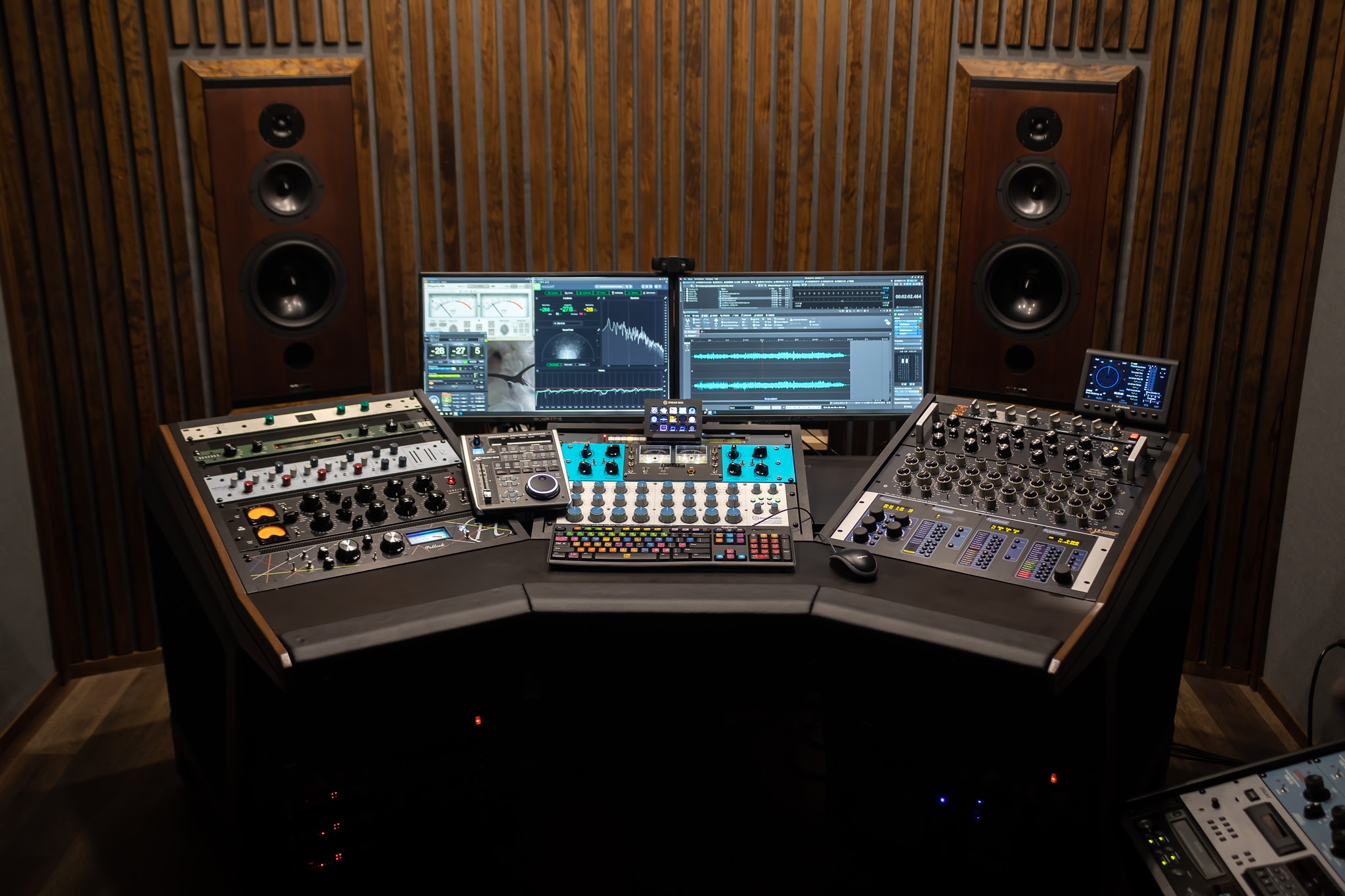
That is why a process-driven studio matters. At LB-Mastering Studios, file prep, proofing, revisions, and final format delivery are handled with the same care as EQ and dynamics, because technical mistakes at the finish line are still mistakes.
If you are still unsure, the safest answer is straightforward: do not guess. Send the mix at its native rate, explain where the music is going, and let mastering build the right final deliverables around the release. The best master is the one that sounds right, translates everywhere, and arrives in the exact format your release needs.