

A mix can feel finished in your studio, then fall apart the moment it hits earbuds, a car system, or a streaming platform. That gap is exactly why audio mastering services matter. Good mastering is not a cosmetic extra at the end of production. It is the quality-control stage that helps your music translate, compete, and reach listeners in the right format for release.
For artists, producers, mix engineers, and labels, the real question is not whether mastering helps. It is what kind of mastering service actually moves a track closer to release instead of just making it louder. The difference comes down to judgment, signal chain, workflow, and whether the engineer is paying attention to both sound and delivery requirements.
What audio mastering services should actually do
A professional mastering service should improve translation first. If your song only sounds right on the speakers you mixed on, it is not ready. The mastering engineer listens with fresh ears in a calibrated room and makes targeted moves so the record holds together across phones, headphones, cars, club systems, and home playback.
That often means small but important decisions. Low end may need to be tightened so the kick and bass stay powerful without turning muddy. The upper mids may need control so the vocal stays present without getting harsh. Dynamics may need shaping so the song feels energetic while still breathing. None of that is about applying a preset chain and printing a louder file.
Audio mastering services should also prepare the project for its destination. A streaming release, a Redbook CD master, a DDP image for replication, Apple Digital Masters delivery, high-resolution files, and vinyl pre-master preparation do not all call for the exact same approach. A capable studio understands those technical targets and builds masters that meet them without sacrificing musical impact.
The difference between louder and better
A lot of people first notice mastering through loudness. That is understandable. A stronger level can make a track feel more exciting at first pass. But loudness by itself is cheap. Better is harder.
Better means the chorus opens up without collapsing into distortion. Better means the snare cuts through without taking your head off. Better means the low end stays solid when the arrangement gets dense. If the master gets louder but smaller, flatter, or harsher, the service missed the mark.
This is where experience matters. An engineer with deep mastering experience knows when to push, when to leave dynamics alone, and when the smartest move is to ask for a mix revision before mastering goes any further. That kind of restraint protects the record.
Why analog still matters in audio mastering services
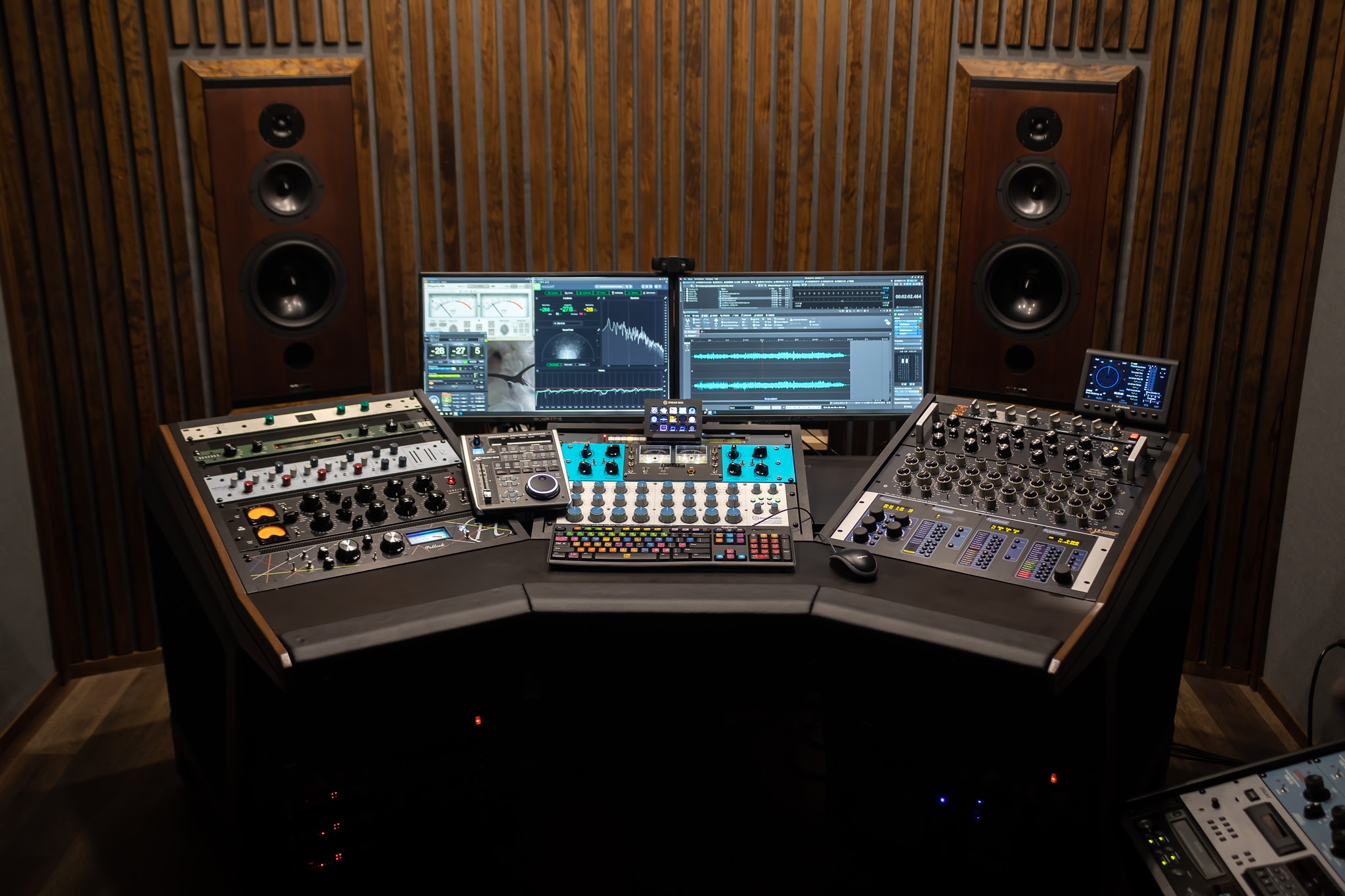
Plenty of excellent masters are created in digital workflows, but analog mastering still matters for a reason. High-end analog compressors and equalizers can add weight, depth, glue, and musicality in a way many clients immediately hear, especially on mixes that need punch and dimension without sounding overprocessed.
The value is not nostalgia. It is sonic behavior. Analog gear can round out sharp edges, bring density to the center image, and help low end feel fuller and more natural. On the right mix, that can be the difference between a record that sounds sterile and one that feels finished.
That said, analog is not a magic word. It depends on the engineer, the room, the chain, and the choices being made. Some songs need subtle correction more than color. Some are already rich and only need clean level management and format prep. The best audio mastering services know when analog character helps and when transparency should lead.
A good mastering process reduces risk
The strongest studios do not treat mastering like a black box. They use a clear workflow that keeps the project moving while giving the client meaningful checkpoints.
It usually starts with mix evaluation. This stage matters more than many artists realize. If the mix has clipping, harsh top end, a vocal imbalance, too much bus limiting, or low-end problems, mastering can only do so much. Getting honest feedback before processing saves time and usually leads to a better final record.
From there, the engineer masters the track or project, provides a proof for review, makes revisions if needed, and then delivers final release-ready files. That approval step is a major advantage. It gives the artist or producer a chance to confirm that the master feels right before anything goes out for distribution or manufacturing.
Free previews or a short sample master can also be useful, especially if you are choosing a new mastering engineer. You get to hear how the studio handles your mix, not just read promises about what they can do.
What to send for the best result
Clients often ask how to set up files before ordering audio mastering services. The answer is simple: send the cleanest, most open version of the final mix.
In most cases, that means a stereo WAV or AIFF export at the mix session's native sample rate and bit depth, with no limiter on the mix bus unless it is a deliberate creative choice the engineer needs to hear. Leave enough headroom so peaks are not pinned at the ceiling, and make sure there is no clipping on the output. If fades, spacing, or track sequence matter on an EP or album, communicate that upfront.
If you need stem mastering, preparation matters even more. Stems should be clearly labeled, exported from the same start point, and grouped in a way that is actually useful for mastering decisions. More stems are not always better. The point is controlled flexibility, not rebuilding the mix from scratch.
Delivery formats are part of the service
One of the easiest ways to judge audio mastering services is to look beyond the sound and ask what gets delivered. A serious release may need more than a single WAV file.
Streaming platforms call for clean, properly prepared masters that hold up after encoding. CD manufacturing requires Redbook-compliant files or a DDP image prepared correctly. Apple Digital Masters have their own standards and workflow expectations. Vinyl requires attention to side length, sibilance, low-end behavior, and sequencing in a way that is different from digital release prep.
This is where a mastering studio becomes more than an effect chain. It becomes the final technical checkpoint before your music reaches the public. Missing metadata, bad spacing, clipped files, or the wrong format can create release problems that have nothing to do with songwriting or performance.
How to judge whether a studio is the right fit
The best fit is not always the flashiest one. Start with communication. Can you speak directly with the engineer? Can you get a real answer about your mix, your goals, and your delivery needs? That access matters because mastering is often a mix of technical correction and aesthetic decision-making.
Then look at process and credibility. Long experience, recognized credits, and a proven workflow all help, but they should be backed by responsiveness and clear expectations. Turnaround time matters. Revision support matters. So does whether the studio explains what it needs from you before the job starts.
A client-friendly process is not a small detail. It is often the difference between a stressful release week and a smooth one. That is one reason many artists and labels work with engineer-led studios like LB-Mastering Studios, where analog mastering, modern deliverables, and direct client communication are built into the service.
When mastering cannot fix the problem
A trustworthy engineer will tell you this: some issues belong in the mix. If the vocal is buried, the hi-hats are painfully bright, the bass is inconsistent, or the two-bus is crushed, mastering can improve the presentation, but it cannot fully rebuild the record.
That is why honest feedback is part of professional service. Sometimes the fastest route to a better master is a mix revision first. It may feel like a delay, but it usually saves you from approving a compromised result.
If you are preparing a release and want fewer surprises, ask for a mix evaluation before final mastering. Get the technical details right, leave room for the engineer to work, and choose a studio that can deliver both sound quality and the formats your release requires.
The best audio mastering services do not just make your track louder. They help your music leave the studio ready for the real world, which is where your record has to win.