
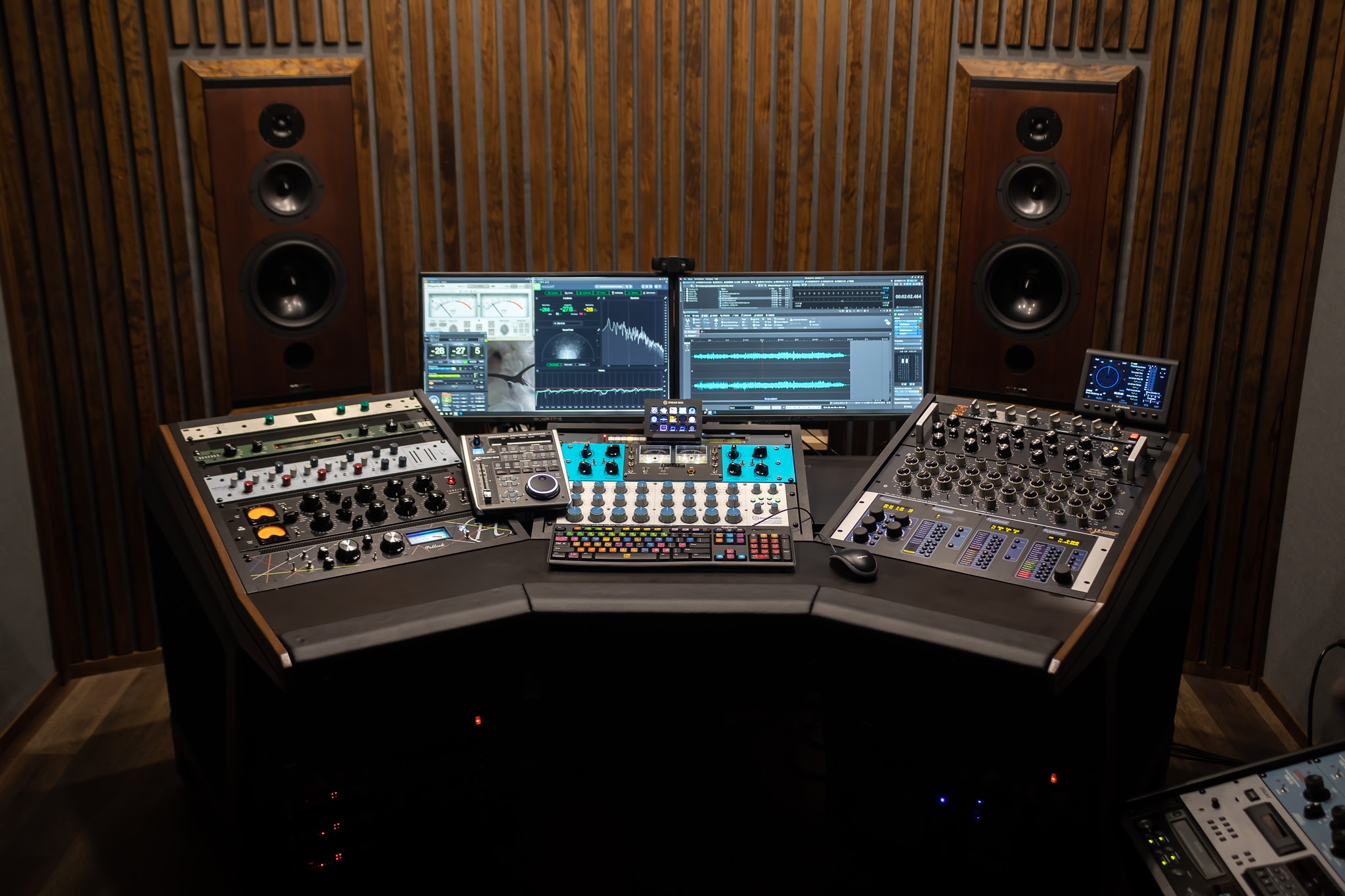
When a mix is close but not quite there, email-only feedback can feel slow and vague. An attended mastering session online gives you something better - real-time decisions, direct communication with the mastering engineer, and a clear path from final mix to release-ready master.
For artists, producers, and mix engineers, that matters because mastering is often the last quality-control checkpoint before distribution. If the low end is a little crowded, the vocal edge is pushing too hard, or the sequence between songs feels off, you want those issues addressed while you are part of the conversation. That is the real value of attending remotely. You keep the convenience of online mastering without losing the clarity that comes from hearing why changes are being made.
What an attended mastering session online actually is
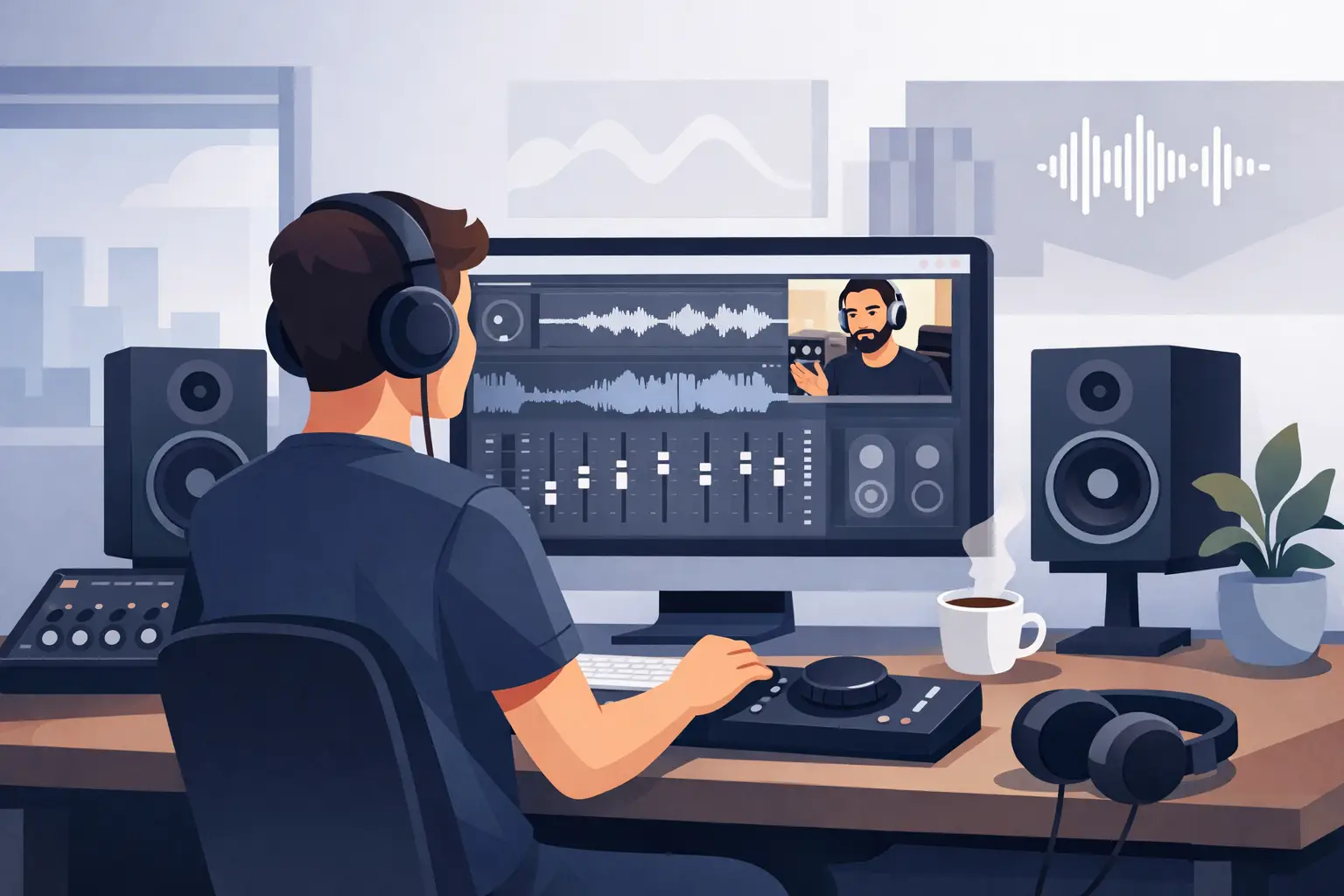
An attended mastering session online is a live remote mastering session where you communicate directly with the engineer while your song or project is being mastered. Depending on the session setup, you may listen through a monitored stream, join by video or phone, exchange notes in real time, and approve revisions as the work progresses.
This is not the same as simply uploading files and waiting for a finished version. It is a guided session built around collaboration and quality control. You still rely on the mastering engineer's experience, room, monitoring chain, and processing decisions, but you are present for the discussion and can react immediately when something needs attention.
For many clients, that removes a lot of second-guessing. Instead of wondering whether a note was interpreted correctly, you can ask for a subtle vocal lift, a touch less top-end aggression, or a little more weight in the kick and hear the result right away.
Why artists and producers choose to attend remotely
The biggest reason is speed. Real-time feedback shortens the approval cycle, especially when the mix only needs a few targeted adjustments in mastering. A live session can turn what might have taken several rounds of emails into one focused conversation.
The second reason is confidence. When you hear the processing develop step by step, you understand what is changing and why. That is useful if you are particular about translation, sequencing, spacing between songs, loudness targets, or preserving the tone and dynamics of your mix.
There is also a practical benefit for clients working from different cities or countries. You can access a professional mastering room and an experienced engineer without travel, while still being involved in the decision-making. For independent artists and labels on deadlines, that can make remote attended sessions the most efficient option.
When an attended session is the right choice
Not every project needs a live session. Some mixes arrive in strong shape, with clear notes, and move smoothly through a standard online process. But there are situations where attending is especially helpful.
You have a very specific sonic goal
If you are referencing a certain tonal balance, low-end feel, or degree of analog weight, a live session helps you communicate that in practical terms. The engineer can test options and steer you toward what actually translates rather than what only sounds exciting for a minute.
You are mastering an EP or album
Single-song mastering is usually straightforward. Multi-song projects are more nuanced. Song-to-song consistency, level relationships, tonal flow, fades, spacing, and sequencing decisions all benefit from real-time discussion.
You want a final checkpoint before release
A good mastering session is not just about louder playback. It is also where small issues get caught before they become public problems. That might be an over-bright chorus, a buried detail in the verse, or a limiter in the mix chain that is doing more harm than good.
How to prepare for an attended mastering session online
Preparation affects the result more than most clients think. The better the source files and communication, the more the session can focus on improvement instead of troubleshooting.
Start with your final approved mix. Export the highest-resolution stereo file available and leave healthy headroom. In most cases, that means no limiter on the mix bus unless it is essential to the sound and intentionally part of the production. If there is any doubt, send a version with it and one without it.
It also helps to provide basic notes upfront. Mention your preferred sample rate, whether the release is headed to streaming, CD/DDP, Apple Digital Masters, high-resolution delivery, or vinyl pre-mastering. If you are sending a project with multiple songs, label everything clearly and include the running order.
Reference tracks can help, but only when used correctly. They are useful for direction, not imitation. A reference might tell the engineer you want a tighter low end, a smoother top, or more forward vocals. It should not force a mix into a shape it was never built to support.
What happens during the session
A professional online attended session usually begins with a quick review of the mix and your goals for the master. If there are issues that should be fixed in the mix rather than forced in mastering, a good engineer will say so directly. That kind of honesty protects the record.
Once mastering begins, you may hear changes in EQ, compression, stereo image, tone, punch, and overall level. If the studio works with an analog chain, those decisions are being made through hardware that can add depth, shape, and cohesion in a way many clients specifically seek out. The point is not to color everything for the sake of it. The point is to choose processing that serves the song.
As you listen, expect a back-and-forth conversation. Sometimes your first reaction is right. Sometimes what feels exciting at first becomes fatiguing after a few passes. An experienced mastering engineer helps separate preference from translation, so the master works on more than just one playback system.
What a good engineer will tell you during an attended mastering session online
A valuable session is not just reactive. It includes guidance. If your mix is already strong, the engineer may keep changes subtle and explain why pushing harder would reduce impact. If your top end is harsh, they may smooth it without killing clarity. If your low end is wide and unstable, they may tighten it so the track holds together better across speakers, headphones, and club playback.
That is where experience matters. After decades of mastering different genres and delivery formats, an engineer learns when to push and when to leave a mix alone. Clients do not need hype. They need judgment.
Trade-offs to keep in mind
An attended session online is highly effective, but it is not magic. Your internet connection, monitoring setup, and listening environment still affect what you hear during the call. That means the engineer's room remains the primary reference point.
It also means some decisions require trust. If you are listening on untreated speakers in a reflective room, your comments may be useful but not always definitive. The best sessions balance your creative intent with the engineer's monitoring accuracy.
There is also the question of pace. Some clients love making decisions live. Others prefer to receive a preview, listen privately on several systems, and then request revisions. Neither approach is wrong. It depends on how you work and how confident you are in fast decision-making.
Getting the best result from remote collaboration
The strongest sessions happen when both sides are clear. Say what you like about the mix, what worries you, and where the track will be released. Be specific if you can. "The chorus gets sharp on earbuds" is more useful than "something feels off."
At the same time, leave room for the engineer to do the job. Mastering works best when there is trust, technical discipline, and a shared target. If revisions are needed after the session, that should be part of a normal approval process, not a sign that something went wrong.
At LB-Mastering Studios, the process is built around that kind of clarity - mix evaluation, mastering, approval, and final delivery with direct engineer communication and proofing support. That structure helps clients move quickly without guessing.
Is an attended mastering session online worth it?
If your release matters, you want fewer surprises at the finish line. An attended mastering session online gives you immediate feedback, better communication, and a more controlled approval process, especially when the record has details that should not be left to guesswork.
The best reason to book one is simple. You hear the record move closer to finished in real time, and you leave with more certainty than you had when you uploaded the mix. If you want that kind of control without losing the benefit of an expert room and experienced ears, request a free quote or book a free 1 on 1 call and start with the mix you already have.