
A track can sound finished in the studio and still fall apart once it hits a streaming platform. That gap is exactly why the Apple Digital Masters service matters. It is not just a badge on a release. It is a delivery standard built to reduce clipping, distortion, and conversion issues when your master is encoded for Apple Music.
If you are an artist, producer, or mix engineer getting ready for release, this is one of those details worth getting right before distribution day. A strong song and a strong mix still need a master that survives the last stage of translation. That means paying attention to source resolution, peak management, headroom, and how your files are prepared for final delivery.
What the Apple Digital Masters service actually means
Apple Digital Masters is Apple’s program for high-resolution source files prepared specifically for Apple’s encoding workflow. The goal is simple - start with the best possible master so the listener hears fewer artifacts after compression and format conversion.
The service is often misunderstood as a style of mastering. It is not. It is a set of technical requirements and quality-control practices for delivering approved high-resolution masters. You are still making musical choices about tone, dynamics, punch, vocal presence, and translation. The difference is that those choices also need to hold up when the file is encoded for streaming.
For many releases, the biggest problem is not the mix itself. It is the final limiter stage pushing peaks too hard, especially intersample peaks that do not show up clearly until conversion happens. A master can look safe on one meter and still distort after encoding. That is where Apple Digital Masters compliance starts to matter.
Why Apple Digital Masters service matters to your release
Streaming has trained a lot of people to think all masters end up sounding the same. They do not. Small mistakes at the final stage can become obvious once a file is encoded and played back across phones, earbuds, cars, laptops, and smart speakers.
A master prepared for Apple Digital Masters delivery gives you a better chance of preserving detail, low-end control, transient impact, and vocal clarity after conversion. That does not guarantee a better song, of course. It does mean the technical side is less likely to get in the way.
This matters even more if your music is dense, bright, bass-heavy, or aggressively limited. Pop, hip-hop, rock, EDM, and modern country can all run into trouble here because they often ask the master to stay loud while also staying clean. There is always a trade-off. Push level too far and encoding can expose edge, smear transients, or flatten depth. Leave too much on the table and the record may feel smaller than it should. Good mastering lives in that balance.
What a compliant master usually requires
The Apple workflow favors high-resolution source files, typically 24-bit audio from the original mix or mastering session. In practical terms, that means avoiding unnecessary sample-rate conversion, avoiding last-minute file processing, and delivering from the highest-quality source available.
Peak control is the issue many clients notice first. A master for Apple Digital Masters should be checked for intersample clipping, not just standard digital overs. That is one reason experienced engineers rely on the right metering and audition paths instead of guessing from a loudness number alone.
It also helps if the mix arrives with room to work. If your mix bus is pinned by heavy limiting, clipping, or aggressive saturation, the mastering stage has fewer options. You can still improve the outcome, but not with the same freedom you get from a cleaner premaster. In most cases, a mix with healthy headroom and no limiter on the stereo bus is the safest starting point.
How to prepare your mix for Apple Digital Masters
This is where preventable problems get caught early. If you want a smoother mastering process, send the cleanest version of the final mix you have. Keep the original sample rate. Export in WAV or AIFF. Leave the stereo bus free of limiters unless that processing is truly part of the sound and approved by the mastering engineer.
Headroom matters, but not in a rigid myth-driven way. You do not need to chase an exact number if the mix is clean and unclipped. What matters more is that the master engineer has enough room to shape tone and dynamics without fighting a crushed file.
It is also smart to check your mix for brittle top end, uncontrolled sub energy, harsh vocal sibilance, and low-mid buildup before mastering. These issues can become more obvious after encoding. If the mix already translates well, mastering can stay focused on enhancement and compliance instead of repair.
At LB-Mastering Studios, that kind of quality control starts before the final master is printed. A free mix evaluation or sample master can reveal whether your current version is ready for Apple Digital Masters delivery or whether a small mix adjustment would protect the final release. That saves time, revisions, and guesswork.
The mastering stage is where compliance meets musical judgment
A technically compliant file is not automatically a great-sounding record. You still need an engineer who understands how to build a master that feels finished, competitive, and emotionally right for the song.
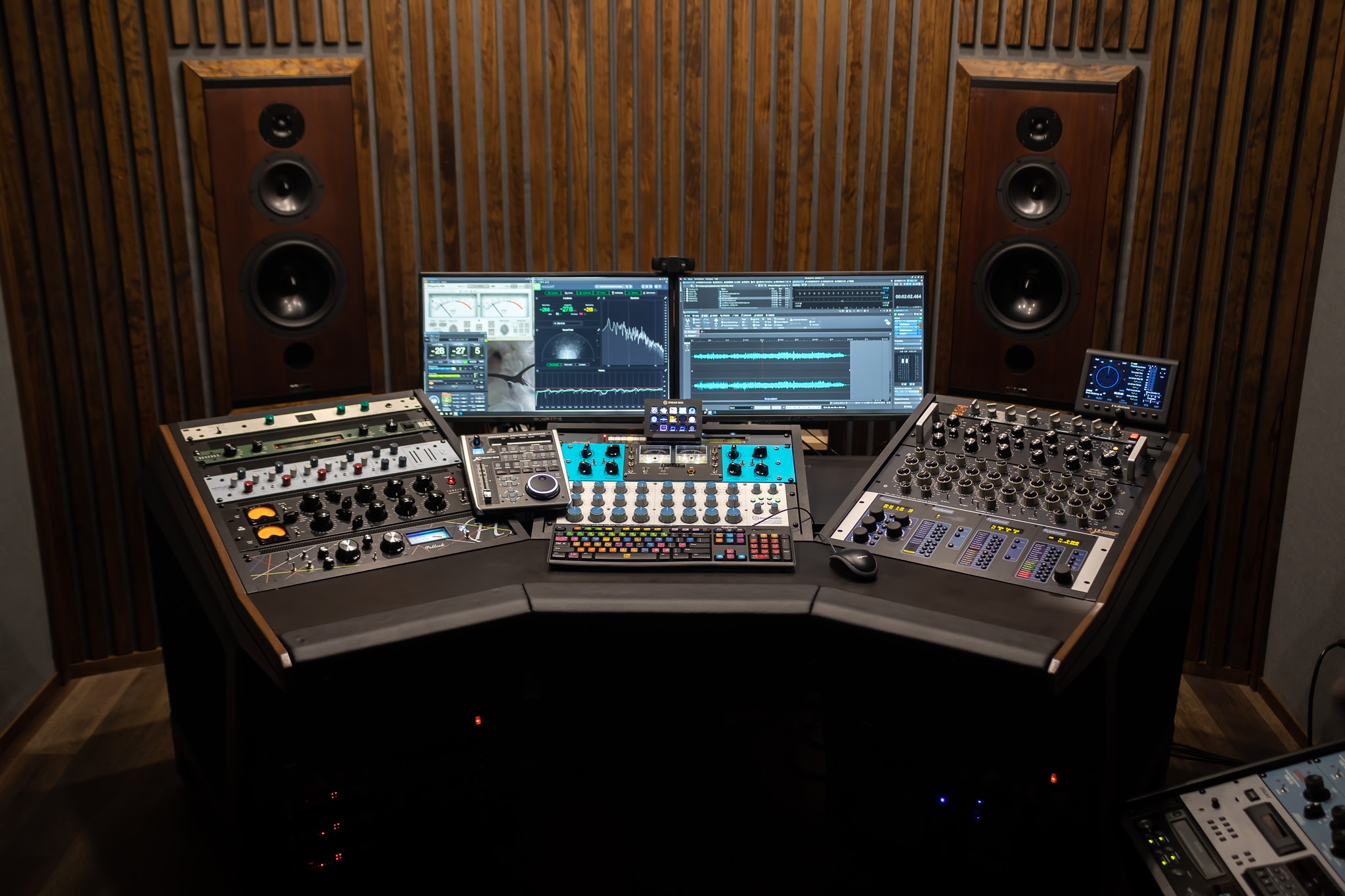
That is especially true when using analog gear in the chain. Analog mastering can add depth, punch, warmth, and shape in a way many clients want, but the final deliverable still has to meet modern digital standards. Those two goals are not in conflict if the process is handled correctly. In fact, they can complement each other very well.
A strong analog chain can improve density and tone before the final digital capture and QC stage. From there, the engineer can monitor peaks, confirm translation, and create the proper high-resolution deliverables. The result is not analog for its own sake or digital for its own sake. It is a master that sounds musical first and survives distribution second.
Common mistakes that cause problems
The first is over-limiting. Many mixes arrive already pushed to the edge because louder still feels safer to some artists. But once streaming conversion happens, that extra push can cost you more than it gives.
The second is sample-rate confusion. Up-sampling a lower-resolution file does not create a true high-resolution source. If your mix was created at 24-bit and a native sample rate, that original export is what should go to mastering.
The third is treating compliance like a preset. There is no single chain that makes every song Apple-ready. A sparse acoustic track, a dense trap record, and a loud guitar anthem all need different decisions around EQ, dynamics, stereo image, and final level.
The fourth is skipping the approval step. Proofing matters. Hearing a preview and requesting revisions before final delivery is one of the simplest ways to protect your release.
When Apple Digital Masters may be worth extra attention
If your release is a priority title, if your audience streams heavily on Apple Music, or if your music depends on polished top-end detail and punch, it deserves attention. The same is true if you are releasing music for a label, delivering to multiple platforms, or building a catalog you want to stand up over time.
Not every project needs obsessive technical discussion. Some songs simply need solid mastering and smart delivery. But if you want the best possible source file reaching distribution, Apple Digital Masters service is not a minor detail. It is part of professional release prep.
The smartest approach is simple: send a clean mix, work with an engineer who understands both the musical and technical side, and do not wait until the upload stage to ask whether the master is compliant. If you want a second set of ears before release, request a free mastering demo or free mix evaluation at https://lbmastering.com and make sure your final master is ready for the real world, not just the studio.
The best masters do not call attention to the process behind them. They just sound right everywhere the listener presses play.