
A master can feel expensive before anyone knows why. The kick sits a little deeper, the vocal feels more finished, the top end stays open when the song gets loud. That is where the analog mastering vs digital mastering conversation usually starts - not in theory, but in what you hear and what your release actually needs.
For artists, producers, and mix engineers, this choice is rarely about one format being "better" in every case. It is about the result, the workflow, and the delivery target. If you are releasing to streaming, sending a DDP for manufacturing, preparing high-resolution files, or getting a vinyl pre-master ready, the right path depends on both sound and practicality.
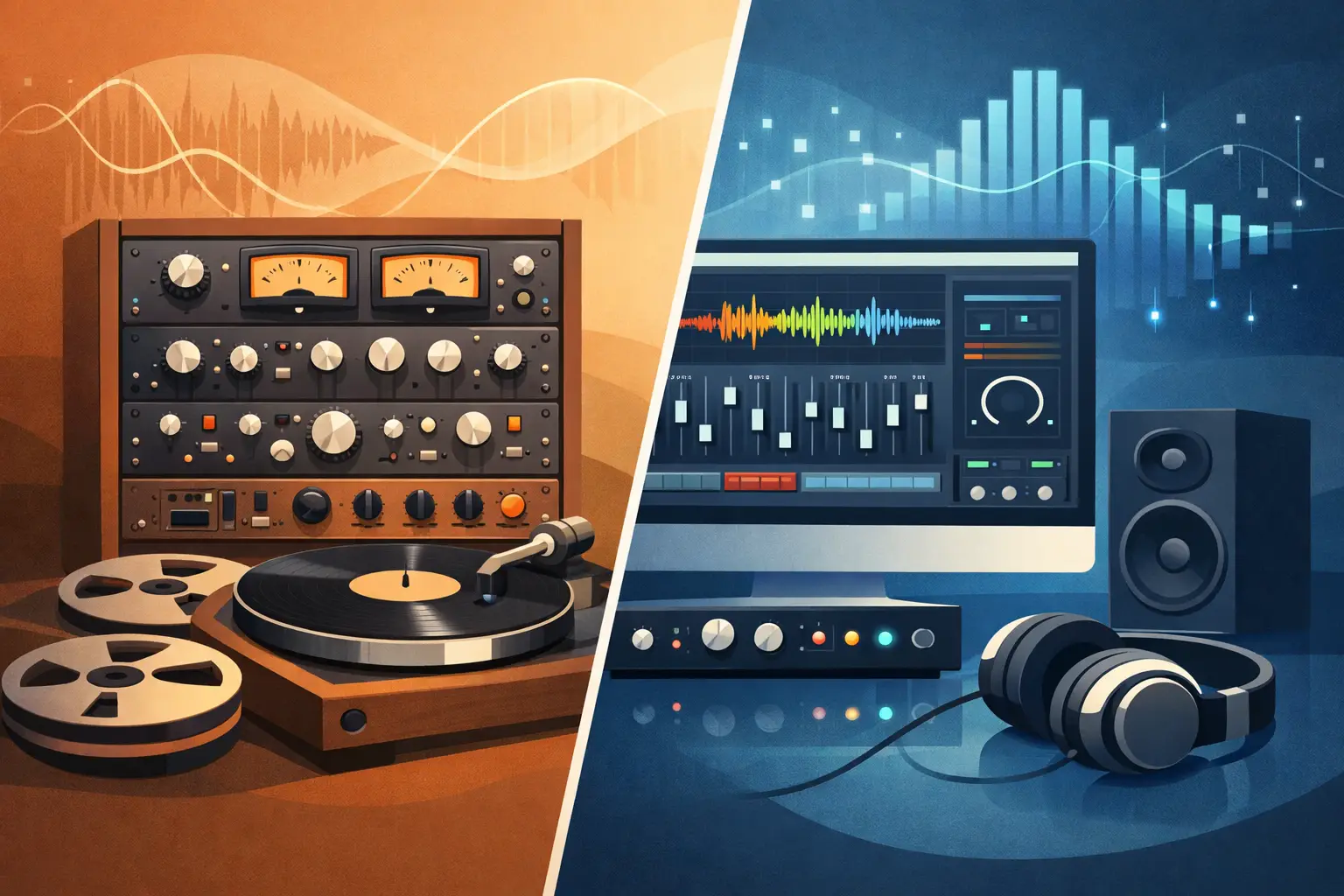
Analog mastering vs digital mastering: what changes in practice?
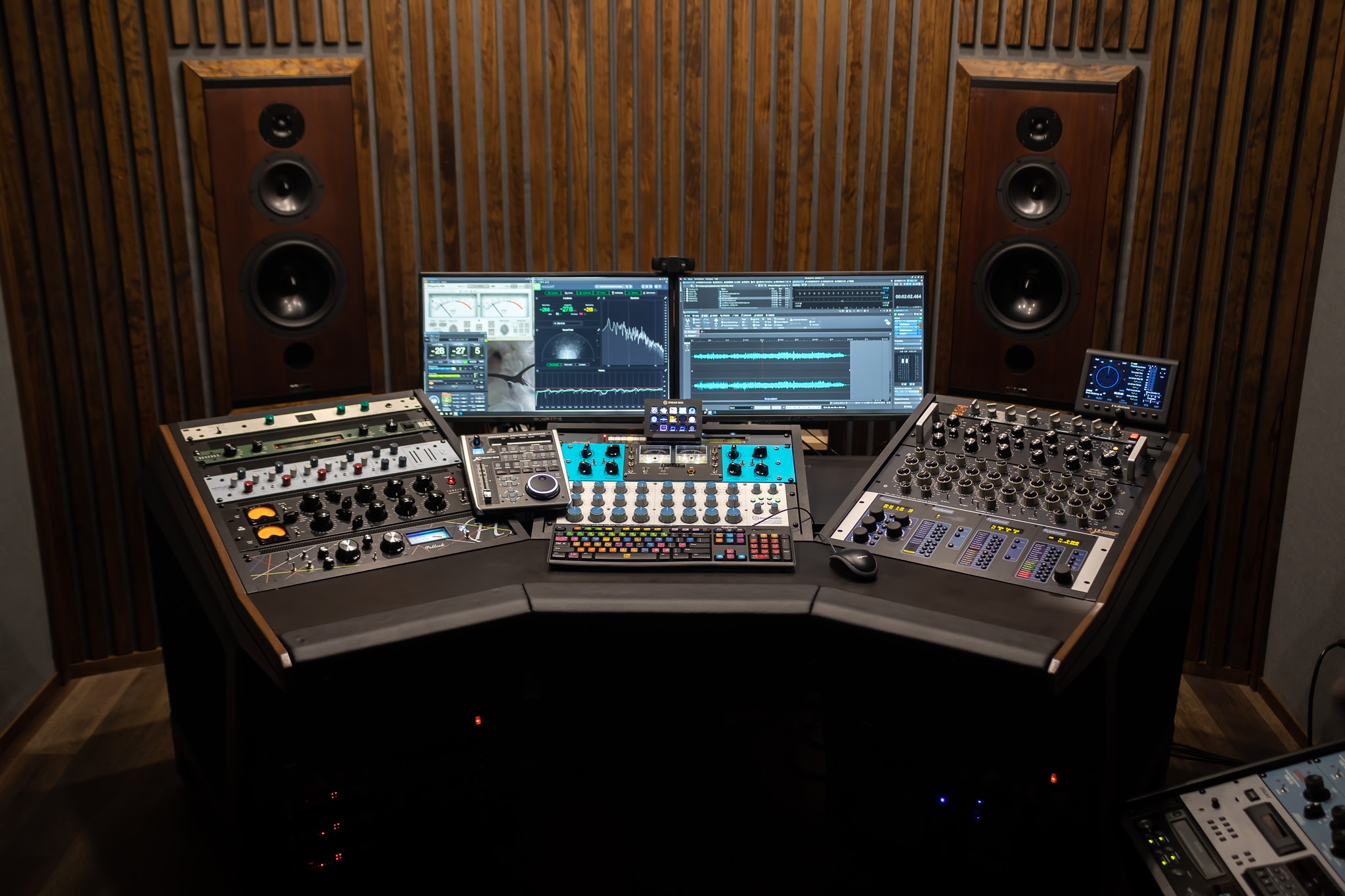
At the simplest level, analog mastering means the audio is processed through physical hardware such as analog EQs, compressors, limiters, and other outboard gear. Digital mastering means the processing happens inside the computer using software tools.
That sounds straightforward, but the real difference is not just hardware versus software. It is how the signal responds under pressure. Analog gear tends to shape transients, tone, and depth in a way many listeners describe as fuller, rounder, wider, or more three-dimensional. Digital processing tends to offer precision, repeatability, and speed, especially when very exact moves are needed.
Neither approach automatically fixes a weak mix. A great master starts with a solid mix, enough headroom, and clean file delivery. But once the mix is ready, the mastering chain can influence how the record translates across speakers, earbuds, cars, clubs, and streaming platforms.
What analog mastering does well
When clients ask for analog mastering, they are usually reacting to a sound. They want punch without harshness, weight without mud, and level without the track collapsing. A strong analog chain can help get there.
The biggest advantage is often the way analog hardware handles tone and dynamics together. A compressor is not only controlling peaks. It is also affecting groove, density, and movement. An EQ is not only boosting or cutting frequencies. It is shaping color, depth, and how elements sit together.
That is why analog mastering is still valued by artists who want a record to feel finished rather than simply louder. Rock, soul, jazz, Americana, hip-hop, and many singer-songwriter projects often benefit from that sense of body and cohesion. It can also be a strong fit for mixes that are technically solid but feel a little flat or too clinical.
There is also a musicality to high-end analog gear that can be difficult to fake. Subtle harmonic content, rounded low end, smoother upper mids, and a natural sense of glue are common reasons engineers keep analog equipment at the center of the mastering process.
Where digital mastering has a clear advantage
Digital mastering shines when precision and flexibility matter most. If a track needs surgical correction, software can be extremely effective. Resonances, stereo balance issues, narrow-band problems, and exact loudness management are often easier to control in the digital domain.
Recall is another major advantage. If an EP comes back with sequence changes, alternate clean versions, instrumental edits, or updated label copy, a digital session can usually be revised quickly and consistently. That matters when deadlines are tight and deliverables have to be exact.
Digital mastering also fits modern release logistics. Streaming assets, metadata, Apple Digital Masters preparation, and multiple export versions are part of the real-world job now. Even when the sonic shaping begins in analog, the final production workflow often depends on digital accuracy.
So if your project is revision-heavy, highly technical, or built around many alternate versions, digital can be the more efficient route. Efficient does not mean lesser. It means the toolset supports the job.
Sound quality is not a simple analog-win story
This is where many articles get too dramatic. Analog is not automatically warm and beautiful. Digital is not automatically sterile and harsh. The engineer, the mix quality, and the decisions being made matter more than slogans.
A weak analog chain will not outperform a well-built digital process. And a talented engineer using digital tools can absolutely produce a powerful, emotional, release-ready master.
Still, there are reasons many serious clients continue to seek an analog-focused mastering room. Good analog gear responds in a way that often feels less forced when pushing for energy and impact. It can preserve size while adding control. On the right song, that difference is not subtle.
But there are trade-offs. Analog processing is less about endless revision flexibility and more about committing to musical decisions. That can be a strength when you want confident results, but it also means the process benefits from clear communication upfront about references, goals, and release format.
The best choice depends on the record
If your mix already has strong character, great balance, and only needs transparent finishing, digital mastering may be enough. If the song feels good but needs more depth, dimension, and glue, analog processing may bring it to life.
Genre matters, but not in a rigid way. Electronic music with dense layers may benefit from digital precision in one project and analog weight in another. Acoustic music may need analog richness, or it may need the cleanest possible digital touch. The right answer comes from listening to the actual mix, not checking a genre box.
This is also why mix evaluation matters before mastering starts. An experienced engineer can hear whether your track is ready for broad tonal shaping, needs corrective work first, or would benefit from a hybrid approach.
Analog mastering vs digital mastering for deliverables
From a client standpoint, the sound is only half the job. The final files have to work.
If you need streaming-ready WAVs, a DDP for CD replication, Apple Digital Masters delivery, high-resolution exports, sequence-matched album masters, or a vinyl pre-master, the mastering path has to support those outcomes without introducing errors. Loudness, spacing, fades, metadata, and quality control are all part of the release.
This is where experienced mastering workflow matters as much as equipment. A studio can use a deeply analog sonic chain and still provide modern digital deliverables cleanly and efficiently. That combination is often the sweet spot for artists who want both tone and reliability.
In practice, many professional workflows are not purely one thing or the other. The core tonal shaping may happen through analog gear, while assembly, QC, sequencing, metadata, and final delivery happen in the digital domain. That is not a compromise. It is often the smartest way to protect both sound quality and release readiness.
What to ask before you choose
Before you commit to either path, ask a few practical questions. What is missing from the mix right now? Are you chasing vibe, correction, or both? How many versions will you need? Is this a single for streaming, a full album, a manufacturing master, or a vinyl project?
You should also ask how the engineer handles revisions and approval. A strong mastering process includes communication, objective evaluation, and the chance to hear a proof before final delivery. That reduces guesswork and protects your release.
If you are unsure, request a sample master or a mix evaluation. Hearing your own song through the process tells you more than any abstract explanation ever will. That is usually where the choice becomes obvious.
The real goal is not analog or digital
The goal is translation, impact, and trust in what goes out the door. A master should hold up everywhere and feel intentional at every level, from tone to sequencing to final file prep.
At LB-Mastering Studios, that is why the process starts with listening, not assumptions. Some projects clearly benefit from the depth and musicality of a true analog chain. Others need the precision of digital control. The right engineer knows the difference and builds the path around the music, not around a sales pitch.
If your mix is close but not quite there, get a professional evaluation before release. A fresh expert ear can tell you whether analog mastering, digital mastering, or a combination of both will serve the song best - and that decision can be the difference between a track that sounds good and one that sounds finished.