
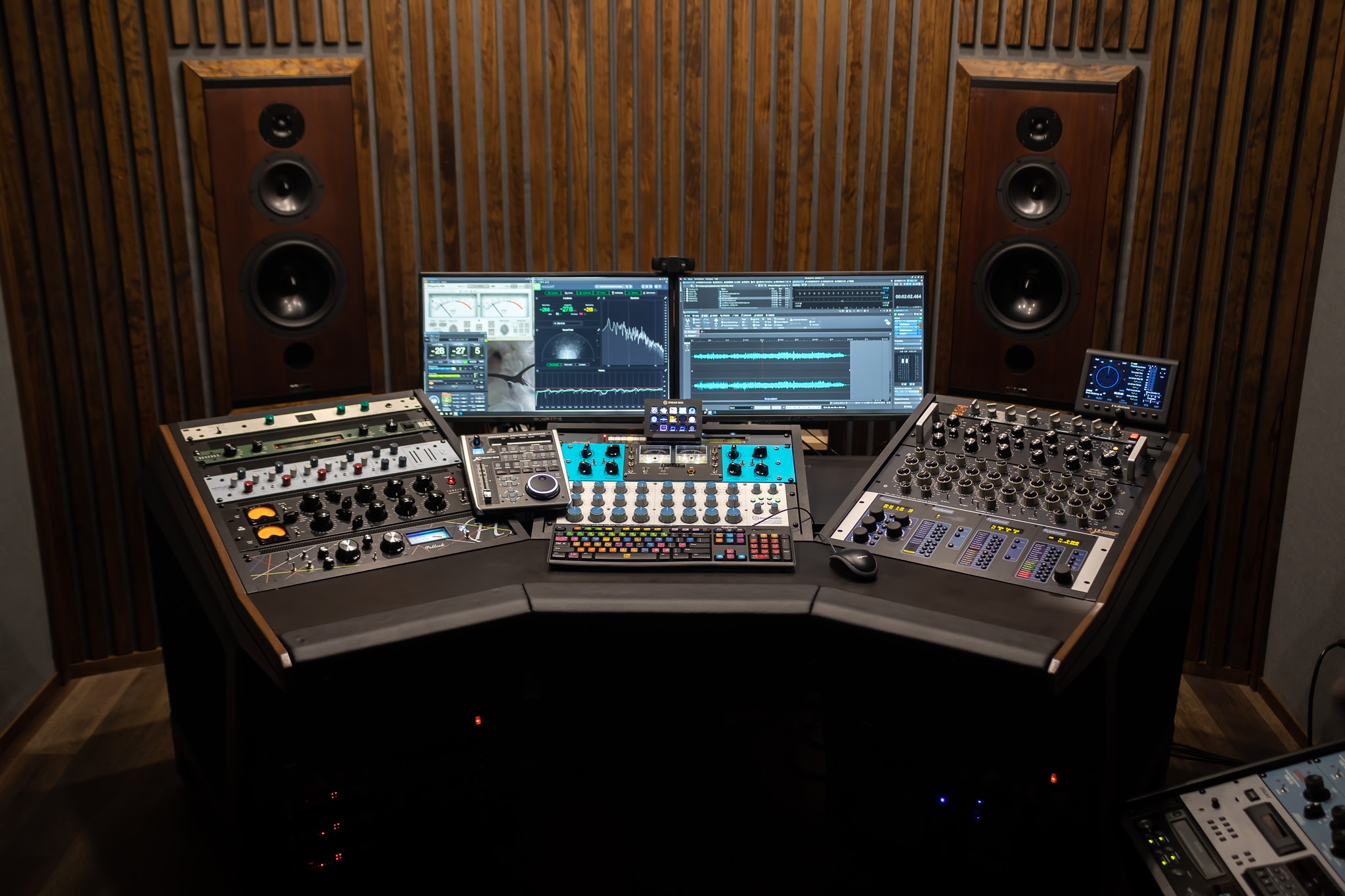


A hip hop master usually falls apart in one of two places - the kick loses its authority, or the 808 gets big on one system and blurry on another. That is exactly why analog mastering for hip hop low end still matters. When the mix already has the right balance, analog gear can add density, shape transients, and keep the bottom feeling physical instead of flat.
That said, no analog chain can rescue a low end that is fighting itself. If the kick and bass are masking each other, if the sub is overextended, or if the mix bus is already pinned by clipping and limiting, the mastering stage becomes damage control. The best results come from a solid mix, enough headroom, and a mastering approach that respects how hip hop records need to hit across earbuds, cars, clubs, and full-range monitors.
What analog mastering does for hip hop low end
The reason engineers still reach for analog compression and EQ on hip hop is simple - good hardware reacts to low frequencies in a way that can feel more natural and more stable than aggressive digital processing. You are not just boosting bass. You are controlling envelope, tone, and perceived size.
A kick drum with the right transient can feel louder without actually taking up much more peak level. An 808 with too much loose sub can be tightened so it reads as deeper, not just boomier. That difference matters when the song has to translate everywhere.
In practice, analog mastering is often about small moves. A fraction of a dB in the right low band can change the attitude of a record. A compressor with the right timing can let the kick breathe while keeping the bass line from washing over the groove. The result is low end that feels confident and expensive, not hyped for five seconds and tiring after one verse.
Analog mastering for hip hop low end starts with the mix
Most low-end problems are mix problems. That is not a sales line. It is just the truth of the workflow.
If your 808 occupies the same space as the kick, mastering cannot fully separate them. If the bass is wide in the low frequencies, the center image may lose impact. If saturation on the mix bus has already smeared the subs, adding more analog color later can make it worse, not better.
This is why a proper mix evaluation matters before any processing begins. The engineer needs to hear whether the low end is structurally sound or whether the master should stay conservative. Sometimes the best analog move is a subtle one because the song already has the right energy. Other times the smart call is to ask for a mix revision before pushing anything further.
For artists and producers, the prep is straightforward. Leave headroom. Print the mix without a limiter on the stereo bus if possible. Keep clipping under control. Export the highest-resolution file you have, and do not try to pre-master the track yourself right before sending it out. A strong mix gives the mastering engineer room to shape the bottom end instead of fighting against baked-in distortion.
The low-end goals are not always the same
Not every hip hop track wants the same kind of bass response. A trap record built around a long 808 sustain needs a different mastering touch than a boom bap track with a punchy kick and sampled bass line. A melodic rap record may need warmth and support, while an aggressive single may need sharper attack and tighter control.
This is where experience matters. The target is not “more bass.” The target is the right kind of bass for the production.
If the record depends on sub extension, the engineer may focus on keeping the very low information stable and centered while cleaning the range above it so the bottom feels larger. If the kick needs to cut through dense midrange vocals and stacked instruments, transient behavior becomes just as important as frequency balance. If the mix already has huge low end, the job may be restraint - preserving weight while improving translation.
That is also why reference listening helps, but only when used carefully. Chasing the low end of another record without considering arrangement, tempo, tuning, and vocal density usually leads to bad decisions.
What the analog chain can improve
A high-end analog chain can do several useful things for hip hop low end without making the record sound processed. It can add a sense of roundness that keeps the bass from feeling sterile. It can tighten the relationship between kick and bass so the groove lands harder. It can also smooth harsh upper harmonics that make low end seem smaller than it is.
Compression is usually one of the biggest factors. The right unit, with the right attack and release, can preserve punch while controlling bloom. Too fast, and the record loses impact. Too slow, and the low end can feel uncontrolled. There is no one setting for every song. It depends on tempo, arrangement, and how the kick and bass are interacting.
EQ decisions matter just as much. Broad analog curves often work well because they shape energy musically instead of carving the mix into pieces. Sometimes a tiny lift in the low bass is enough. Sometimes the better move is reducing low-mid buildup so the true sub energy becomes clearer. Engineers who work in this space every day know that cleaning mud often creates more perceived bass than boosting ever will.
Where analog can hurt if the choices are wrong
Analog is not automatically better. It is better when the engineer knows why a piece of gear belongs in the chain and what trade-offs come with it.
Extra transformer color can add thickness, but it can also soften the leading edge of a kick if overdone. A broad low-frequency boost can feel great on large monitors, then turn into a mess in cars. Compression that sounds exciting for a few bars can flatten the groove over the full song. And if the source mix is already too saturated, more analog harmonic content may reduce clarity instead of improving it.
That is why serious mastering is not about running your mix through gear for the sake of saying it was analog. It is about making deliberate choices, monitoring accurately, and checking translation before the master is approved.
Translation is the real test
Hip hop low end has to survive real playback systems. Studio monitors are only the starting point. The master also has to hold up on Bluetooth speakers, earbuds, phones, cars, and club systems. Each playback chain tells you something different.
If the sub disappears on smaller systems, the record may need better harmonic definition, not just more volume. If the bass dominates in a car, there may be too much energy in the wrong range. If the kick feels disconnected from the 808, the issue may be envelope balance rather than EQ.
This is where a preview-and-approval process is valuable. A sample master or proof lets the client hear whether the low end is translating the way the record needs to translate before final delivery. Revisions matter because low-end perception is highly system-dependent, and a good mastering engineer treats that feedback as part of quality control, not as an inconvenience.
How to prepare your track for analog mastering for hip hop low end
The best thing you can send is a clean, dynamic mix with enough room to work. Leave a few dB of headroom. Avoid stereo bus limiting if you can. Make sure your kick and bass relationship is intentional, not accidental. If there are multiple low-frequency elements, decide which one is supposed to lead.
Check your mix at low volume. If the kick disappears, the transients may need work. If the bass note changes make the whole mix swell unevenly, there may be unresolved low-end resonance. Fold the mix to mono and make sure the bottom does not collapse. Those checks save time and usually lead to a better master.
If you are unsure whether the mix is ready, ask for an evaluation first. That is often the smartest move, especially on records where the low end is the entire emotional foundation of the song.
At LB-Mastering Studios, that engineer-first approach is part of the process - hear the mix clearly, make the right call early, and build a release-ready master that hits without falling apart.
The strongest hip hop low end does not come from making everything bigger. It comes from making the right elements feel undeniable, then leaving enough space for the record to breathe.