

A mix can feel finished in your studio and still fall apart everywhere else. The vocal sits right on your headphones, then turns harsh in the car. The kick feels huge on monitors, then disappears on a phone speaker. That is exactly why affordable mastering for independent musicians matters - not as a luxury step, but as quality control before your release goes public.
If you are releasing music on your own, every decision carries more weight. You are not just making a record. You are handling production, deadlines, distribution, artwork, metadata, and often your own marketing. Mastering should reduce risk, not add more guesswork. The right service gives you an experienced final set of ears, better translation across playback systems, and deliverables that are actually ready for streaming, CD, or other release formats.
What affordable mastering for independent musicians should actually mean
Affordable does not mean stripped down, careless, or automated to the point where no one is really listening. It should mean access to professional judgment without unnecessary friction. For an independent artist, that usually comes down to three things: your song translates, your files are delivered correctly, and you can communicate directly with the engineer if something needs attention.
That last point is where many artists get stuck. A cheap master that creates revision problems, loudness issues, clipped transients, or format mistakes is not affordable in any real sense. You pay for it later with delayed releases, disappointing playback, or the need to redo the job.
Professional mastering is part tone shaping, part technical compliance, and part quality assurance. When done well, it helps your music hold up on earbuds, club systems, laptops, cars, and full-range monitors without flattening the life out of the mix.
Why independent artists need mastering even when the mix sounds good
A strong mix is the starting point, not the finish line. Mixing is about balancing the parts inside the song. Mastering is about evaluating the whole record from the outside and preparing it for real-world playback and distribution.
That outside perspective matters because you have already lived with the mix for hours or days. You know what the song is supposed to do, which can make it harder to hear what it is actually doing. A mastering engineer brings objectivity. Small issues in the upper mids, stereo width, low-end density, or vocal presence become easier to spot when someone is hearing the track fresh in a purpose-built environment.
There is also the matter of consistency. If you are releasing an EP or album, songs need to belong together. Level, tone, spacing, and overall presentation all affect whether a project feels intentional. One song that sounds brighter, thinner, or noticeably quieter than the rest can pull the listener out of the experience fast.
The trade-off: cheap, fast, and good are not always the same thing
Independent musicians often ask the right question in the wrong way. Instead of asking, "What is the cheapest mastering option?" ask, "What level of mastering protects the release I worked so hard to finish?"
There is always a trade-off. Fully automated processing can be fast, but it may miss mix-specific problems or overreact to material that needs a lighter touch. At the other extreme, a highly customized mastering process with multiple delivery targets and detailed revision support gives you more control, but it depends on having a real engineer involved.
For many artists, the sweet spot is a service that stays accessible while still offering real evaluation, proofing, and revision support. That is especially useful when your project needs more than one type of final file, or when you want feedback before committing to the full run.
How to judge an affordable mastering service
Start with the process. If there is no clear workflow, that is a red flag. You want to know how the mix is evaluated, how previews are handled, what the revision process looks like, and what final formats are available. A structured process usually means fewer surprises.
Next, look at communication. Independent artists benefit most when they can get direct answers from the person doing the work. If your mix has a limiter on it, if the vocal feels a little sharp, or if you are unsure whether to send 24-bit WAV files at the native sample rate, those details matter. Good mastering support keeps small technical mistakes from turning into bigger release problems.
Then consider the engineer's listening approach. Not every track needs the same treatment. Some songs want more impact and width. Others need restraint, better low-end control, or a smoother top end. Mastering is not one setting applied to every song. It depends on genre, arrangement, mix quality, and release goals.
Preparing your mix saves money and gets better results
One of the easiest ways to keep affordable mastering for independent musicians truly affordable is to send a mix that is ready for mastering. That does not mean perfect. It means clean, intentional, and free from avoidable issues.
Leave headroom. Do not crush the mix bus with heavy limiting just to make the track feel finished. If your mix is clipping, overly hyped, or pinned to maximum level, the mastering engineer has less room to improve it. In most cases, a clean stereo file with no limiter on the mix bus gives the best result.
Export at your native sample rate and bit depth when possible. Do not upsample. Do not convert formats more than necessary. And unless a specific creative effect is essential to the sound, avoid processing choices you are already second-guessing. If you are unsure whether the low end is too big or the vocal is too bright, say so. That note can save time and lead to a stronger final master.
Analog character and modern deliverables can work together
Some independent artists assume analog-focused mastering is out of reach or only relevant for major-label budgets. That is not really the issue. What matters is whether the signal path and engineering choices serve the song.
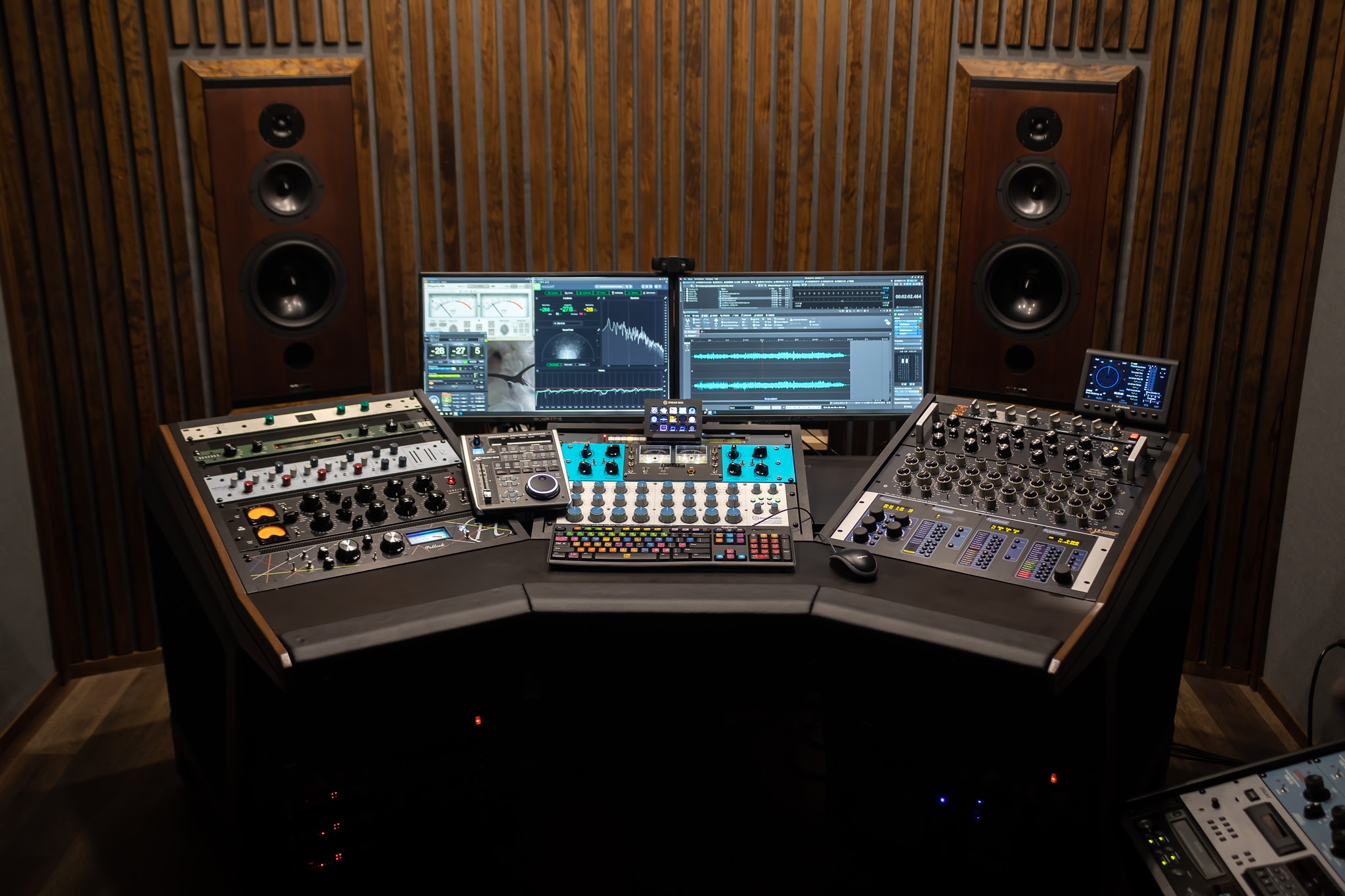
A well-designed analog chain can add density, depth, punch, and tonal cohesion in a way many artists recognize immediately, especially on drums, vocals, bass, and full mixes that need more glue without sounding flat. At the same time, your release still needs modern digital deliverables. Streaming-ready files, properly prepared sequence information, DDP when required, and platform-aware delivery standards are part of real-world mastering now.
That combination matters because artists do not release music into one format anymore. A song might need to sound great on streaming platforms first, but you may also need high-resolution files, Apple Digital Masters delivery, or pre-master prep for vinyl. Affordable should not mean narrow.
Why previews and revisions matter
A mastering preview is more than a sample. It is a checkpoint. You get to hear how your mix responds before everything is finalized, and you can make a decision based on your own music instead of marketing language.
Revision support matters for the same reason. Sometimes the first pass confirms the direction immediately. Sometimes you realize the vocal needs to come forward a touch, or the low end could be tightened slightly. That does not mean the master was wrong. It means the process is doing what it should do - helping you move from a good mix to a release-ready master with confidence.
This is one area where service quality shows up fast. An engineer who offers feedback, proofing, and sensible revision support is not just processing audio. They are helping you protect the release.
A practical path for independent releases
If you are trying to keep your budget under control, the smartest move is not to skip mastering. It is to use mastering more efficiently. Finish the mix as strongly as you can, leave proper headroom, send clear notes, and choose a studio that offers evaluation before final delivery.
That approach gives you a much better chance of getting a master that translates well, meets release specs, and reflects the work you already put into the music. For artists who want direct engineer communication, analog depth, and modern file delivery without unnecessary friction, LB-Mastering Studios offers a process built around exactly that - free mix evaluation, a free sample master, revision support, and release-ready results.
Your song does not need hype at the finish line. It needs a final pass that makes the record travel well, hold together everywhere, and feel finished for the listener who hears it for the first time.